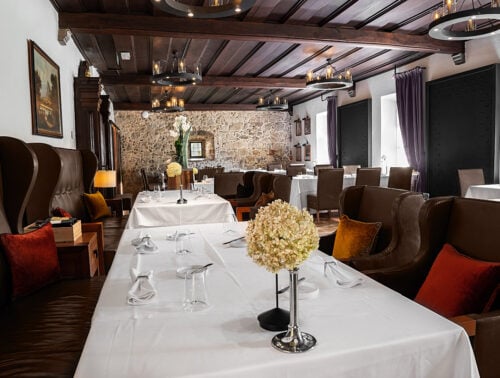
Ordering a gin and tonic sounds simple until you sit down at ATLAS Bar in Singapore. With more than 1,000 gins in the collection when I visited, choosing the spirit took more thought than choosing the drink. I settled on Death’s Door Gin, an American gin whose name I remembered from my reading. Behind that dramatic name was a short botanical list and a connection to farming in Wisconsin. That was enough to make me curious, and a familiar drink seemed a good place to start.
Is Death’s Door Gin worth trying?
What We Loved
- A clear juniper character
- Silky texture, gentle spice and a sweet finish
- Enjoyable neat, over ice and with tonic
- Plenty of character from three botanicals
What Could Be Better
- Less suited to drinkers looking for a fruit-led gin
- Published alcohol-strength specifications differ, so check the bottle
Best for: Gin drinkers who enjoy juniper, herbal notes and a straightforward gin and tonic.
Contents

Why I Chose Death’s Door Gin
The appeal was its use of just three botanicals: juniper, coriander and fennel. The waitress talked me through that short list, which gave me something more useful to consider than another elaborate bottle on the shelf. These are the ingredients used to flavor the gin, separate from the grain used to make its base spirit. Three botanicals do not mean three ingredients in the entire bottle, and a small botanical list does not necessarily produce a simple drink.

Death’s Door Gin Review: My Tasting Notes
I found Death’s Door silky, with juniper leading the palate, a little peppery spice and sweetness toward the finish. Coriander brought citrus and spice, while the fennel added a softer, cooling note that reminded me of mint. Each part was easy to pick out, and the texture helped bring them together. The juniper remained the center of the drink, with enough going on around it to keep the short botanical list from becoming the whole story.
At 47% ABV, the version I tasted had a noticeable alcoholic kick. I enjoyed it straight and over ice with lime, as well as in a gin and tonic. That gives it a useful place in a home bar for someone who enjoys this style: you can taste the spirit on its own before deciding how much tonic you want alongside it. My recommendation is strongest for drinkers who already like juniper and herbal flavors.

Death’s Door Gin in a Gin and Tonic
Death’s Door worked well with the house tonic at ATLAS, and that is the pairing I would happily return to. For a drink at home, I would start with a plain tonic and a modest garnish, then adjust the amount of mixer to taste. Lemon or lime is an easy starting point. The gin already has its own herbal character, so I see little reason to add a garden’s worth of extras before you know whether you like it.
Where Death’s Door Gin Is Made
Death’s Door Gin is produced at Dancing Goat Distillery in Cambridge, Wisconsin. Dancing Goat acquired the brand in 2019 and relocated its Carl still there. Washington Island is part of the brand’s agricultural history and the inspiration for its name; it should not be confused with the location of the distillery.
The Washington Island Farming Connection
The island connection began with an effort to restore a market for local crops after the decline of its potato farming industry. In 2005, a small wheat-growing project helped establish a new use for the land. Hard red winter wheat became part of the Death’s Door story, with the grain finding a market in brewing and distilling. The brand later opened a distillery in Middleton in 2012. This agricultural background was one of the things that interested me about the gin, beyond the contents of the glass.
Alcohol Content: Check the Label
My tasting was of a 47% ABV bottle. Dancing Goat’s production page states 47.5% ABV; Master of Malt lists 47%. That difference is a reason to read the bottle’s label before buying, particularly when comparing listings across markets. The strength given for the tasting here is the strength of the gin I drank.
Why Is It Called Death’s Door?
The name comes from Death’s Door Passage, the waterway between Wisconsin’s Door Peninsula and the islands to its north, including Washington Island. It is also known by the French name Porte des Morts. Stories about the passage include Native American travelers caught in storms and later accounts of battles, with details changing between versions. Wisconsin Sea Grant and the Wisconsin Historical Society describe the precise origin of the name as uncertain. These are legends, not a settled account of one particular battle.
The navigational hazards are better documented. Strong currents, wind and rocky shores caused numerous shipwrecks, giving the passage a reputation that did not depend on folklore. That background explains the name on the bottle without needing to choose one dramatic version of the legend as historical fact.


Conclusion
Death’s Door would be an easy recommendation for someone who likes a juniper-led gin with a little citrus, spice and a cooling herbal edge. The texture was the part I particularly appreciated, both when tasting the gin itself and when drinking it with tonic. At a bar with so many bottles to choose from, I was pleased with this one. Its appeal rests on a combination I enjoyed drinking, with no need for a long list of botanicals to justify it.
Death’s Door Gin Review Card
- PACKAGING – BOTTLE – 8.8/108.8/10
- ON THE NOSE – 9.2/109.2/10
- ON THE PALATE – 9/109/10
- FINISH – 8.9/108.9/10
- VALUE – 9.3/109.3/10
Death’s Door Gin: Practical Details
| Detail | Information checked in October 2026 |
|---|---|
| Product | Death’s Door Gin |
| Country | United States, Wisconsin |
| Current producer | Dancing Goat Distillery, Cambridge, Wisconsin |
| Botanicals | Juniper, coriander and fennel |
| Strength tasted | 47% ABV. Check the bottle label when purchasing. |
| Serves tasted | Neat, over ice with lime, and with ATLAS house tonic |
| Retail price example | US$52,00 for 700 ml at Master of Malt. Check current availability, delivery charges and local taxes before ordering. |
| Review setting | ATLAS Bar, Singapore |
| Producer website | Death’s Door Gin at Dancing Goat |
Death’s Door Gin FAQ
What does Death’s Door Gin taste like?
In my tasting, juniper led the palate, followed by peppery spice, citrus and a cooling herbal note. The texture was silky, with some sweetness toward the finish.
What botanicals are in Death’s Door Gin?
The three botanicals are juniper, coriander and fennel. They flavor the gin and are separate from the grains used to produce the base spirit.
Is Death’s Door Gin still made?
Yes. Dancing Goat Distillery produces it in Cambridge, Wisconsin.
What is the alcohol content of Death’s Door Gin?
I tasted the 47% ABV version. Dancing Goat states 47.5%; Master of Malt lists 47%. Check your bottle’s label.
Is Death’s Door Gin good in a gin and tonic?
I enjoyed it with the house tonic at ATLAS in Singapore. For mixing at home, I would start with a plain tonic and a little lemon or lime, then adjust the proportions to taste.
Sources and Fact-Checking
Sources for producer information, history and bottle details
Tasting observations and ratings are my own. The following sources support the background and purchasing information, checked in October 2026.
- Dancing Goat Distillery: current production, acquisition and stated strength.
- Difford’s Guide: Death’s Door Spirits: historical background on the Washington Island farming project and the brand’s development.
- University of Wisconsin–Madison, Curb archive: contemporary reporting on the Middleton distillery’s 2012 opening.
- Wisconsin Sea Grant and Wisconsin Historical Society: the passage, legends and documented navigational hazards.
- Master of Malt: the 700 ml listing, 47% ABV specification and US$52,00 retail price example.
You Might Also Like
For more about the setting of this tasting, our ATLAS Bar review takes a closer look at the Singapore bar and its Art Deco surroundings. If your trip also involves an overland arrival, our account of crossing Singapore’s land border covers a very different part of the journey.

You might also like