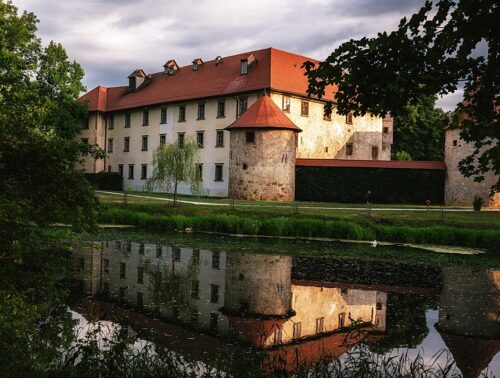
Our first meal with chef Uroš Štefelin was at Vila Podvin. The restaurant in Mošnje is still there, with its own team and story, while Štefelin and his business partner Marcela Klofutar moved their culinary project to Hiša Linhart in Radovljica in 2021. We came to see what had traveled with them: the attention to local growers, old Gorenjska recipes, and the ability to make an overlooked ingredient the most interesting thing on the table.
Our Hiša Linhart review follows the tasting menu we ate, from a fermented tepka* drink and small opening bites to kid goat, roe deer and an unusually savory dessert. After our last visit left us thoroughly captivated, read on to discover if they have elevated their hospitality to even greater heights.
*The Tepka is an ancient Slovenian heirloom pear that has largely been overshadowed by modern, larger varieties. Yet, for Chef Uroš Štefelin, this humble traditional fruit is a prized ingredient, frequently taking center stage in his creations.
Is Hiša Linhart worth booking?
What We Loved
- Old Gorenjska recipes given a confident contemporary interpretation
- Memorable dishes
- Thoughtful Slovenian organic wines and interesting nonalcoholic drinks
- Elevating humble ingredients
What Could Be Better
- The sweetbreads tasted quite salty to us
- Ambiance
Best for: Diners who enjoy a long tasting menu rooted in regional ingredients and food traditions.
Contents
- About Hiša Linhart Restaurant in Radovljica
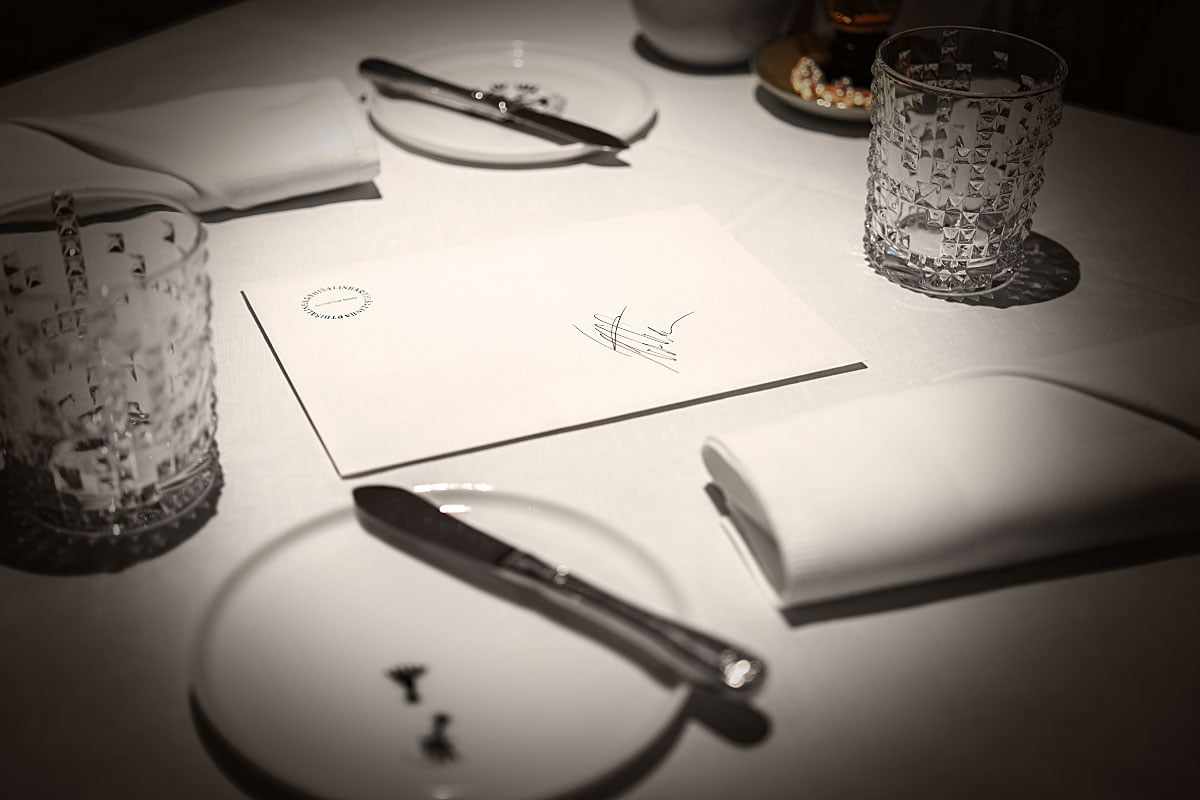
- Atmosphere at Hiša Linhart
- Drinks at Hiša Linhart
- The Hiša Linhart Tasting Menu
- Amuse-Bouche
- Celeriac, Apple, Hazelnut and Vegetable Sorbet
- Zupan Lake Trout Terrine with Pickled Kohlrabi
- Drežnica Kid Goat from Žvanč Farm
- Fillet of Zupan Rainbow Trout
- Sweetbreads with Porcini Mushrooms and Egg
- Bandeljc with Herbs, Leek Sauce and Sour Cream Ice Cream
- Roe Deer from Kočevje*
- Mountain Pasture on a Plate
- Chocolate Petits Fours and Tepka Pear
- Our Verdict on Hiša Linhart
- Hiša Linhart Review Card
- Practical Details
- Frequently Asked Questions
About Hiša Linhart Restaurant in Radovljica
Local ingredients are central to Hiša Linhart, but they are only one part of the story. Chef Uroš Štefelin and his team work with growers, artisans and other people in and around Radovljica. Those relationships shape what reaches the table, from regional produce to ceramics and details throughout the house. Old Gorenjska recipes give the kitchen a starting point; Štefelin’s cooking shows what they can become when someone takes the time to understand them.
That work extends beyond dinner service. Hiša Linhart is also involved in education and the local community, bringing producers and younger people into its wider food project. Its approach to sustainability is easier to appreciate through these choices than through a label on a menu. We had already seen Štefelin’s commitment to local food at Vila Podvin. Here, in the center of Radovljica, the connection between the kitchen and the town is even more visible.
Atmosphere at Hiša Linhart
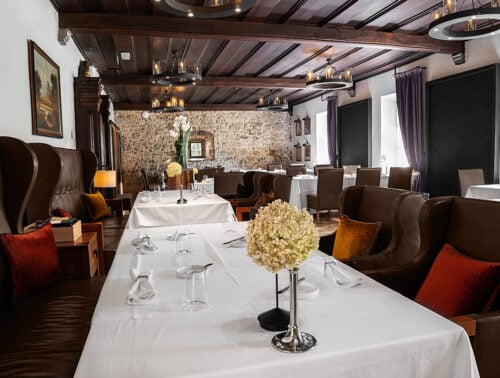
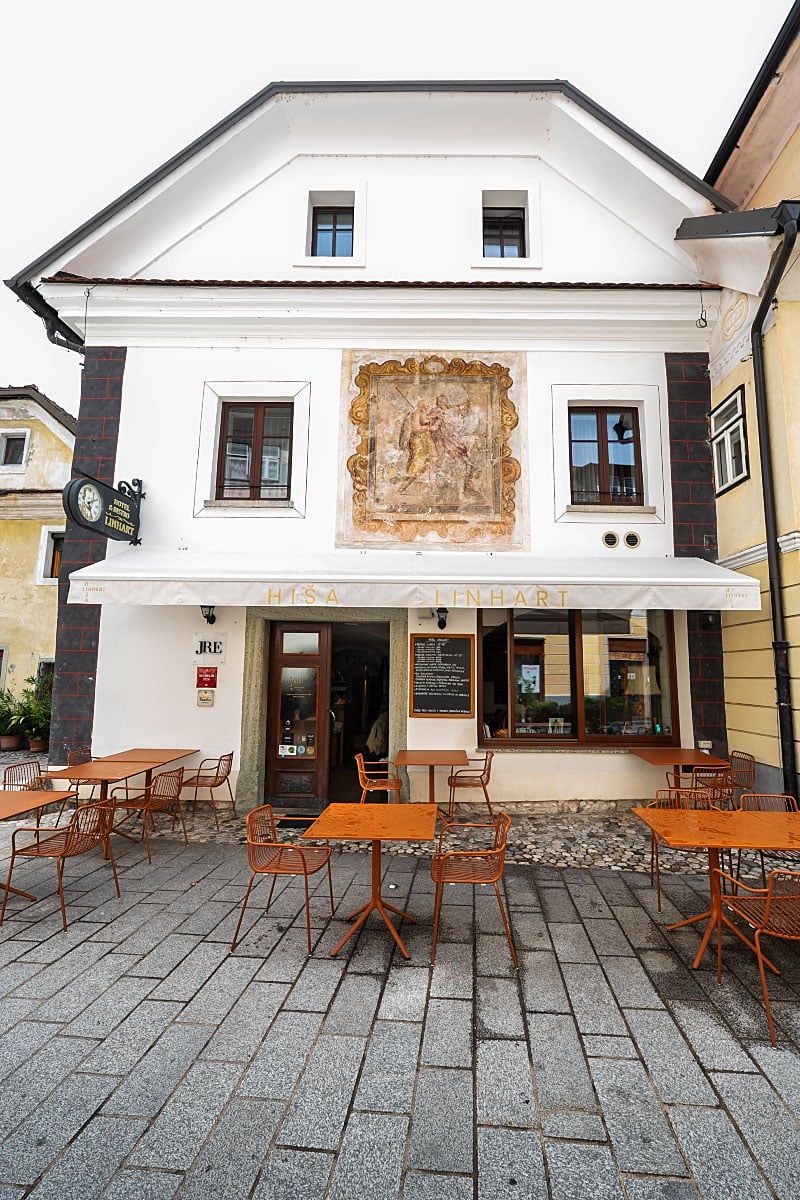
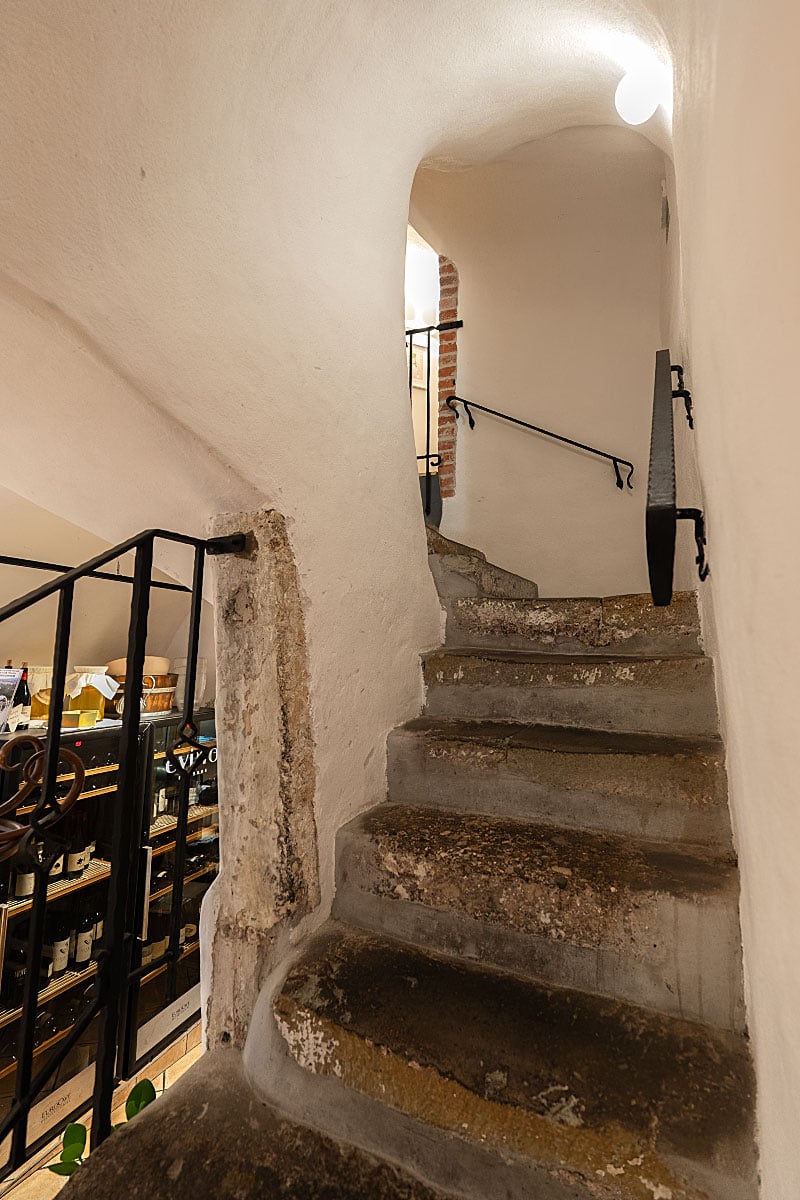
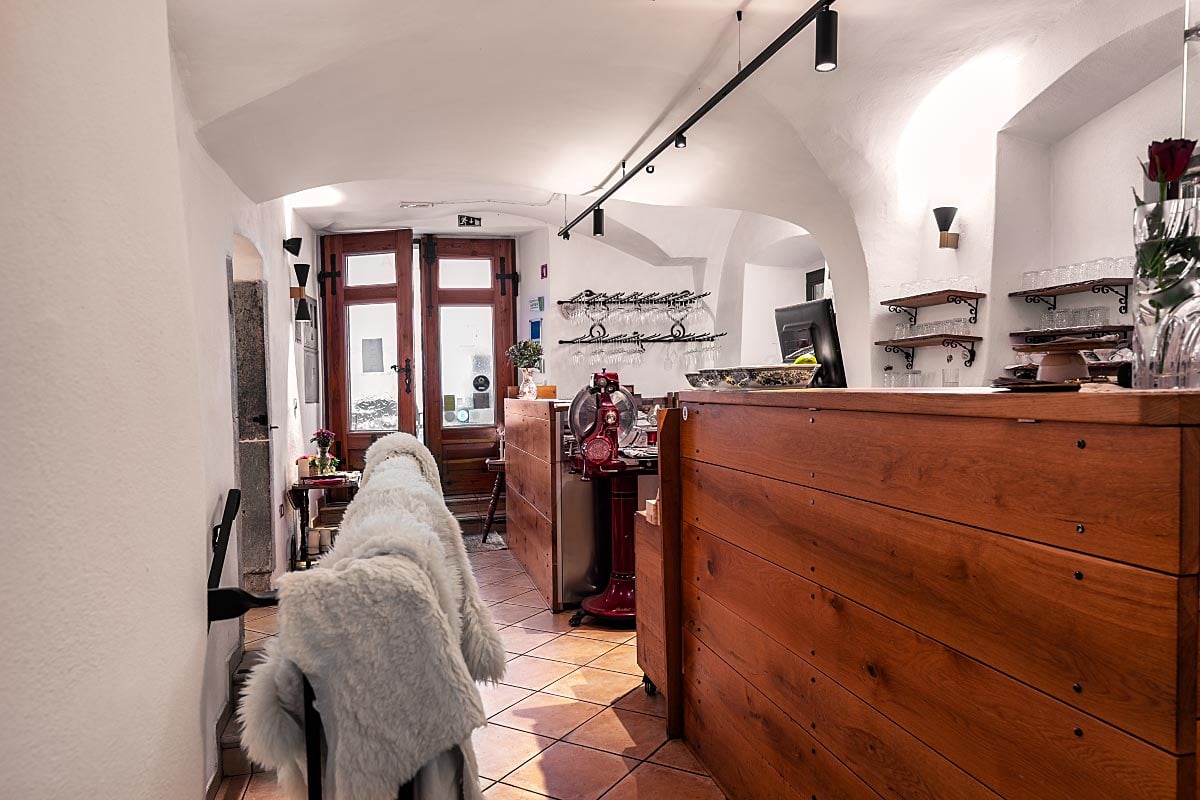
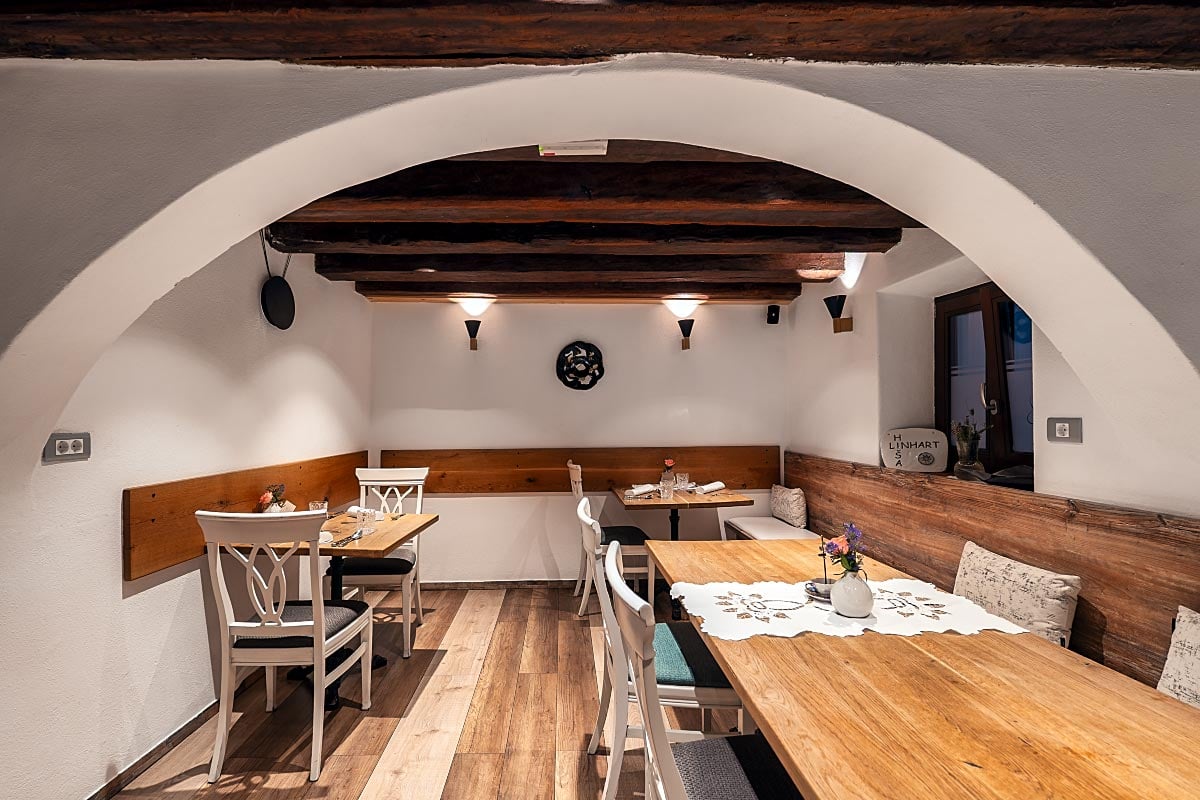
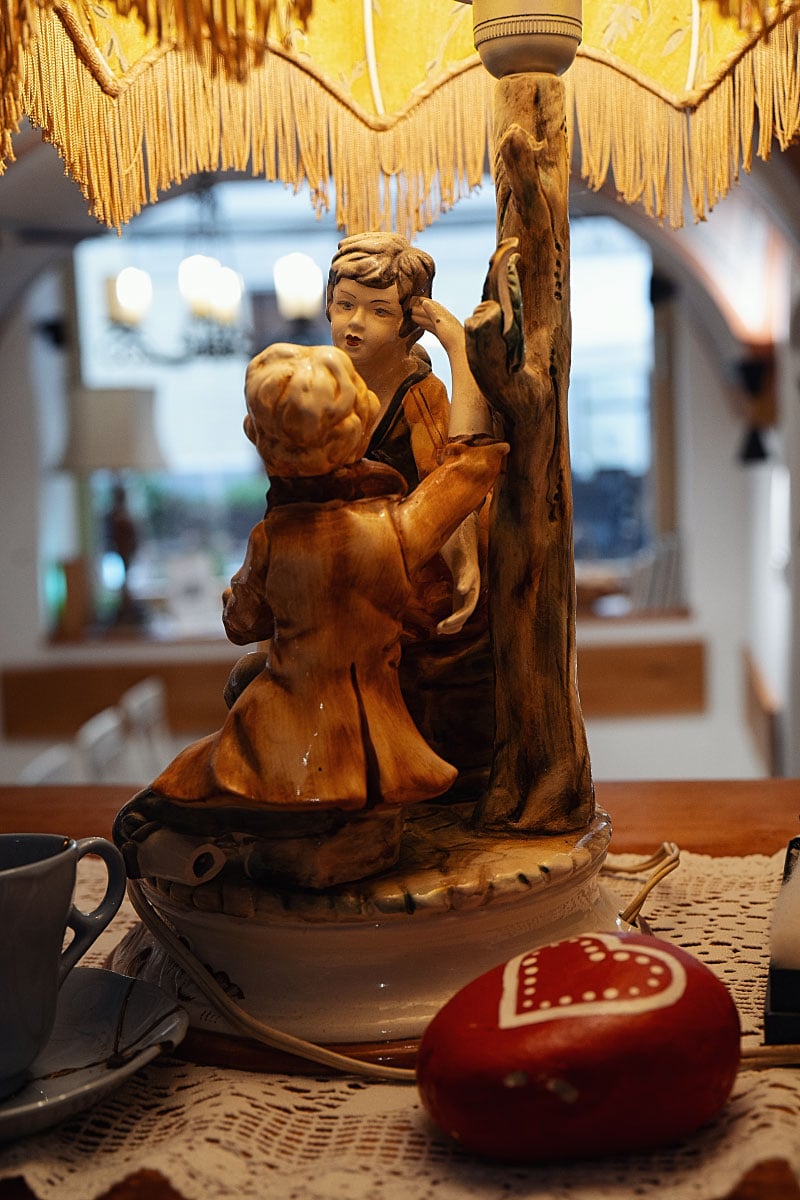
Hiša Linhart occupies a 16th-century house in Radovljica’s medieval center. It has the stone portals, vaulted spaces and wooden ceilings that make you look around before you study the menu. The building has changed over the centuries, and its rooms do not all have the same character. Painted surfaces, old stairs and arches sit alongside white tablecloths and carefully set tables, giving the restaurant a sense of occasion without hiding the age of the house.
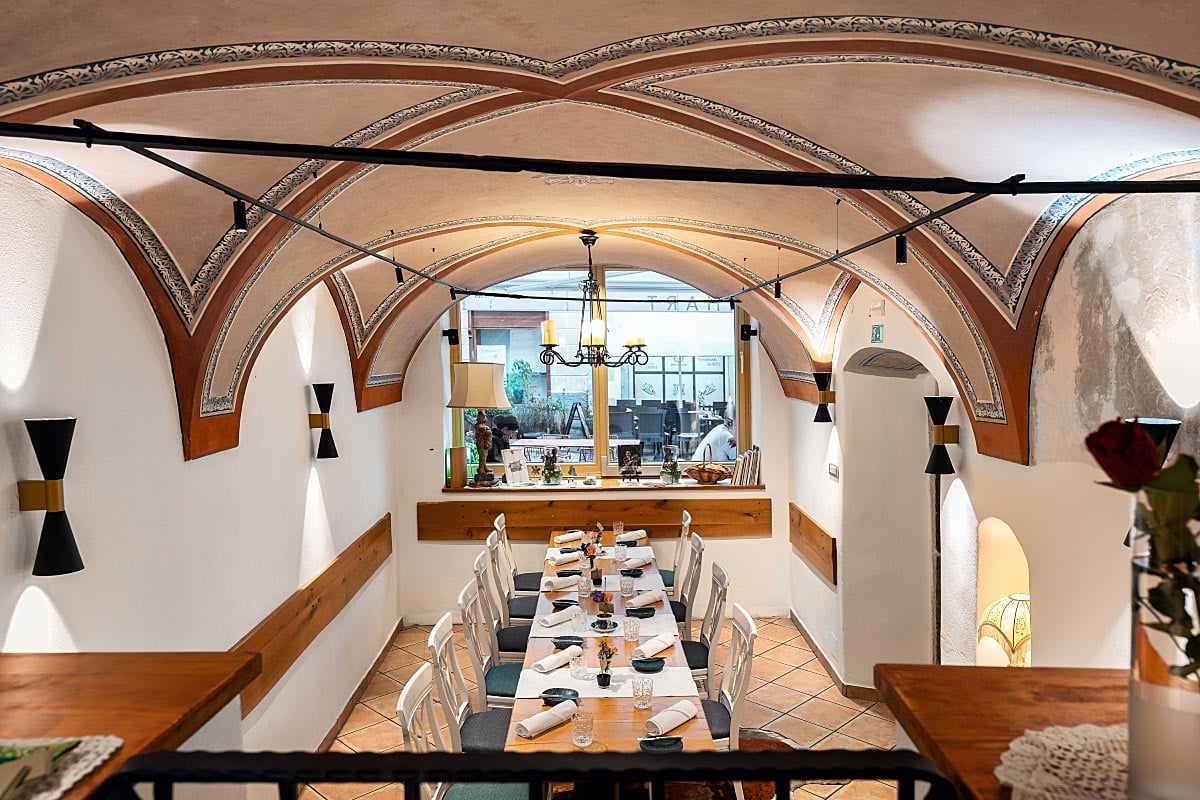
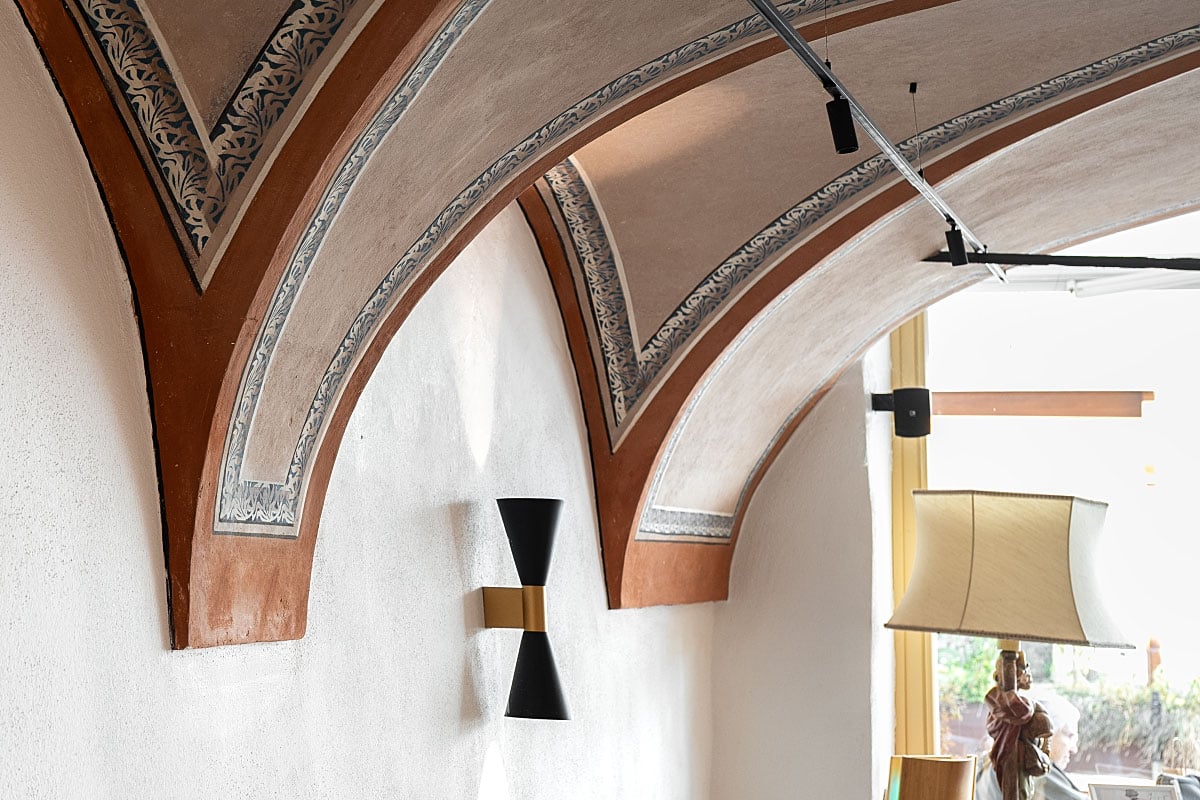
During our meal, voices from the dining room and aromas from the kitchen kept the historic setting firmly in the present. There were details to notice between courses, from the ceiling above us to the tableware in front of us. The restaurant takes its name from Anton Tomaž Linhart, the Radovljica-born historian and playwright of the 18th century. His name connects the house to the town’s cultural history, while the people working in it give the old rooms their life today.
Drinks at Hiša Linhart
The drinks followed the same interest in local ingredients as the food. We tried two fermented, nonalcoholic options, two Slovenian organic wines and a cocktail that tasted as though it had borrowed something from the forest.
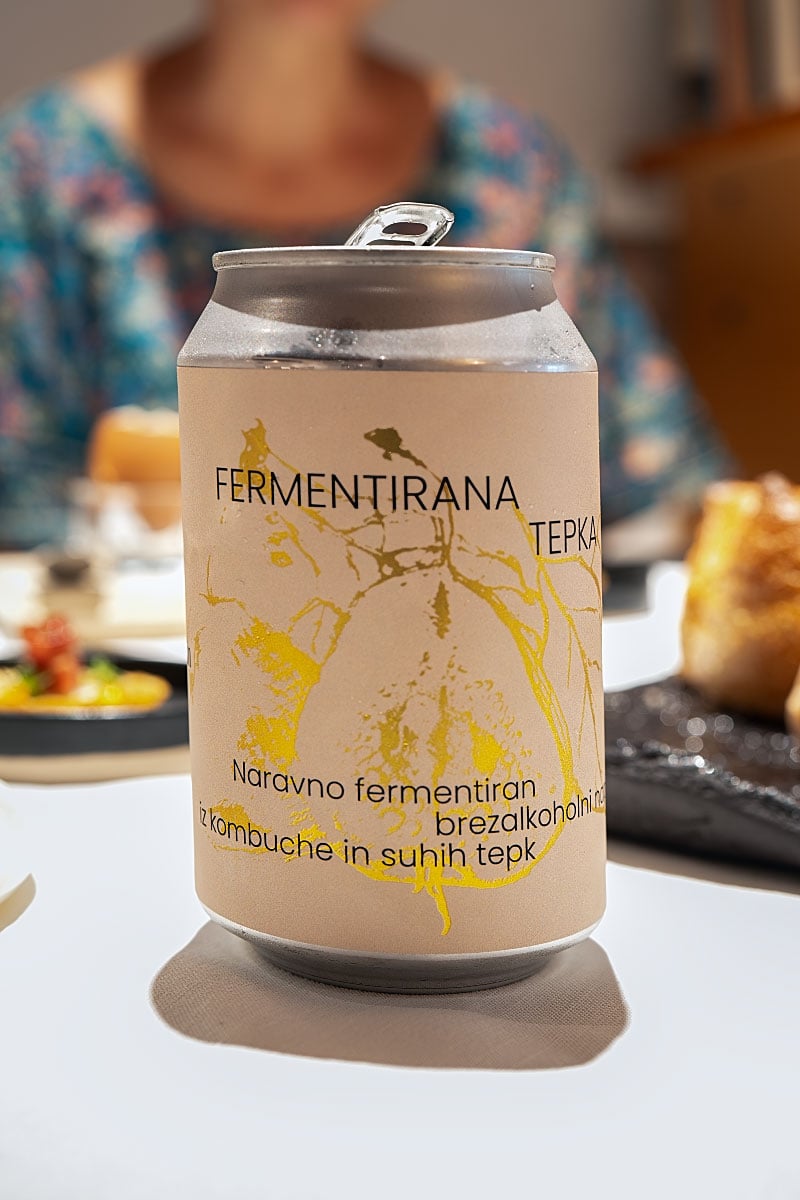
Fermented Tepka
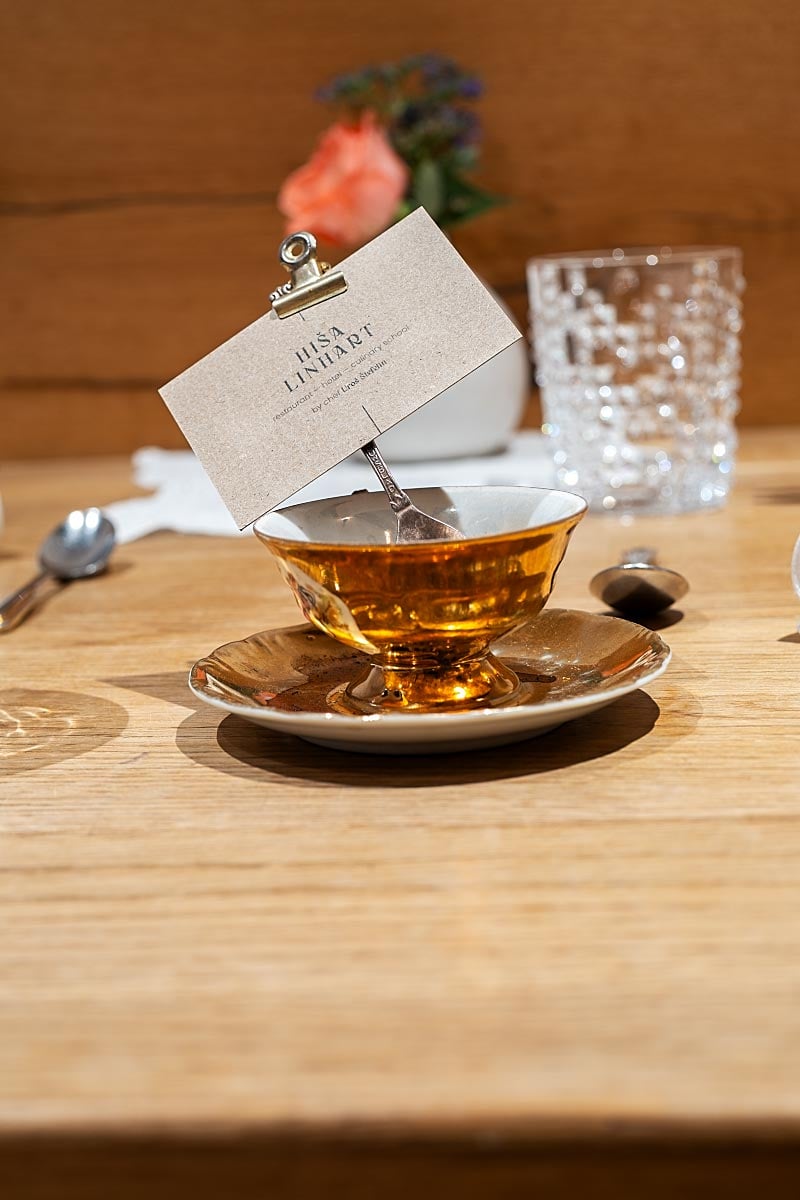
The aroma of fermented tepka reminded us of honey. Its sweetness came through first, followed by the deeper flavor of the old pear variety. This was the sweeter of our nonalcoholic drinks, with enough character to make the tepka more than a substitute for wine. We enjoyed it most on its own, before the richer courses began.
Kombucha Elixir of Youth
Green tea gave this kombucha a lighter body than the tepka drink. We noticed a floral aroma, something close to white stone fruit, and a little acidity at the end. There may have been honey in the mix, although we could not quite place it. That uncertainty made us return to the glass for another sip.
Castra Brut Nature by Guerila
Guerila’s Castra Brut Nature opened with honey and meadow flowers, then a note of freshly baked bread crust. The bubbles were lively, and the wine finished dry despite those warm aromas. Made from Zelen and Pinela, it had a little buttery depth on the palate. It was a good reminder that a sparkling wine can hold its own alongside Štefelin’s food without asking for all the attention.
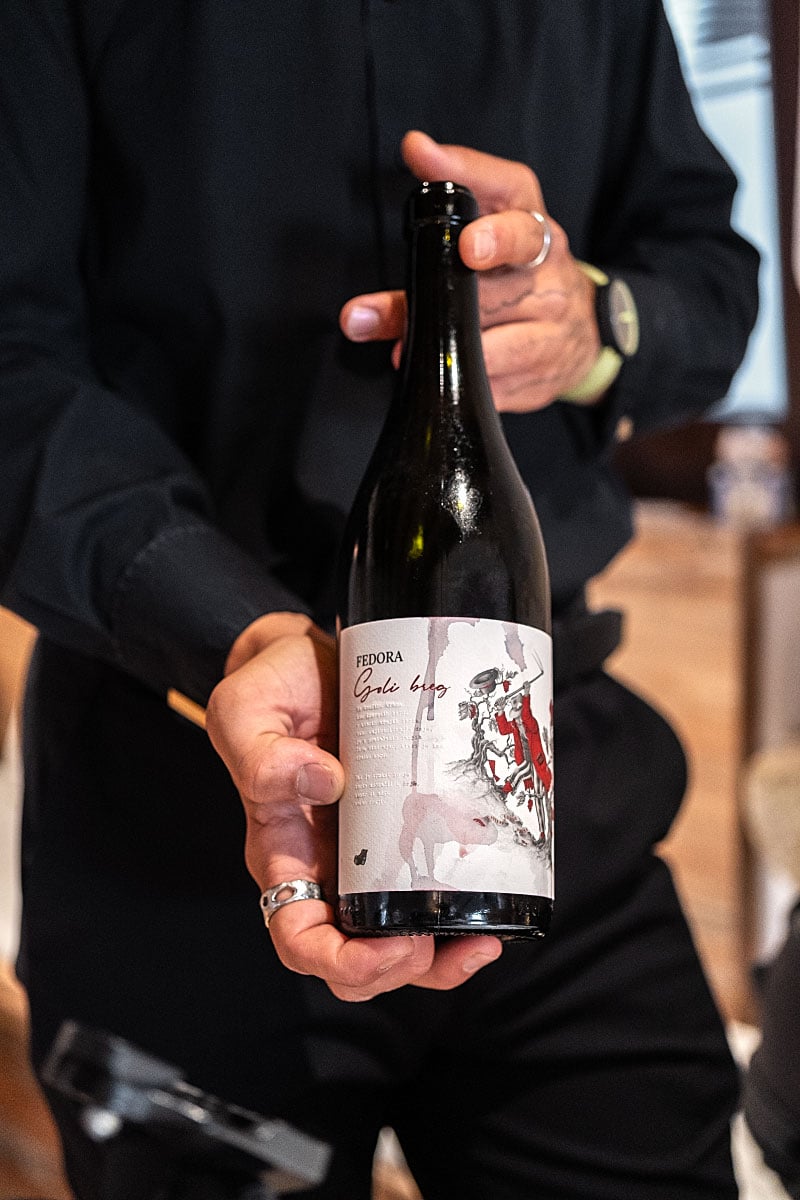
Fedora Goli Breg Red Cuvée 2021
Fedora’s red cuvée brought a different pace to the meal. Its blend of Merlot, Cabernet Sauvignon and Refosco smelled of dark berries, ripe cherries and a little cocoa. The fruit was generous, with enough structure to stand beside the later savory courses. We appreciated how the wine developed in the glass as the food grew richer.
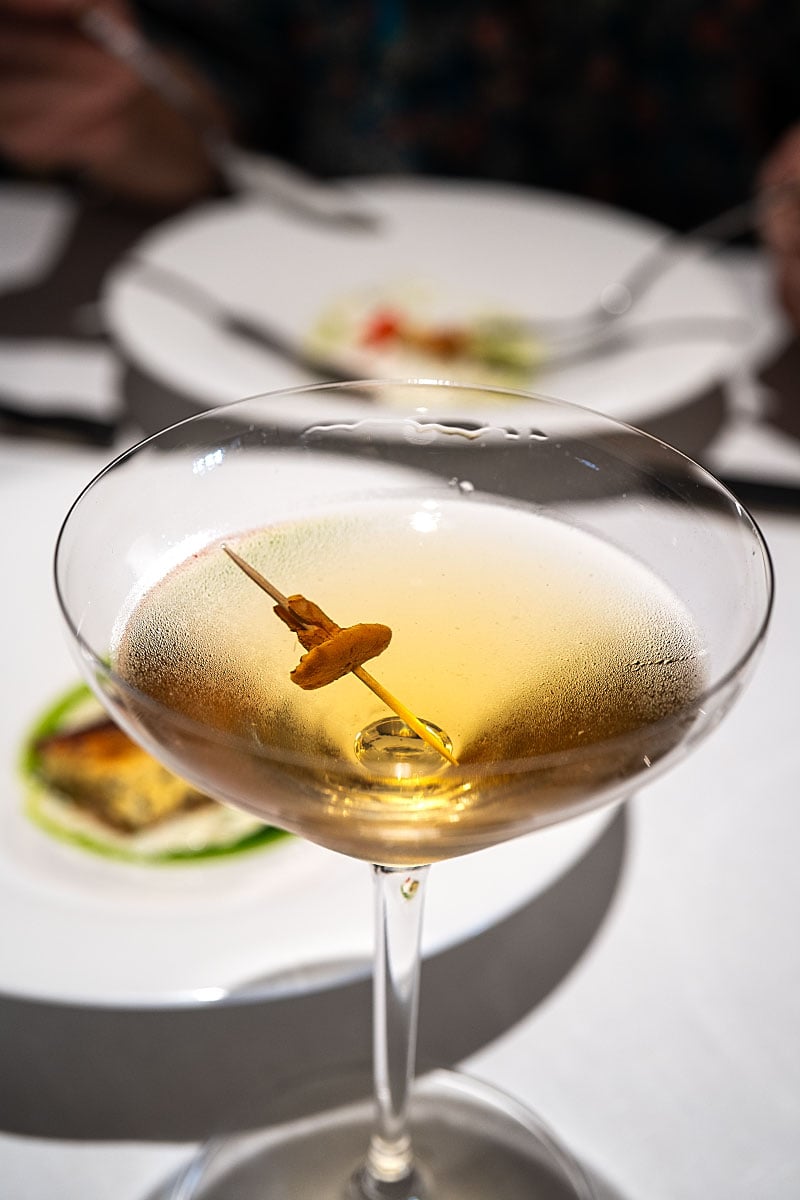
Forest Martini
Mushrooms were the first thing we noticed, both in the flavor and in the tiny pickled chanterelles visible in the glass. A hint of fruit appeared midway through, while porcini returned in the aftertaste with a slight bitterness. The Forest Martini was unusual, though it never lost its balance as a drink. It gave us something to discuss between courses, which is often half the pleasure of ordering a cocktail like this.
The Hiša Linhart Tasting Menu
Štefelin’s tasting menu drew on the ingredients and food traditions of Gorenjska, then took them in directions we did not always expect. This is the meal we ate, from the first bread and small bites through fish, game and dessert. The dishes may change with the season, but the individual courses deserve more than a passing mention.
Amuse-Bouche
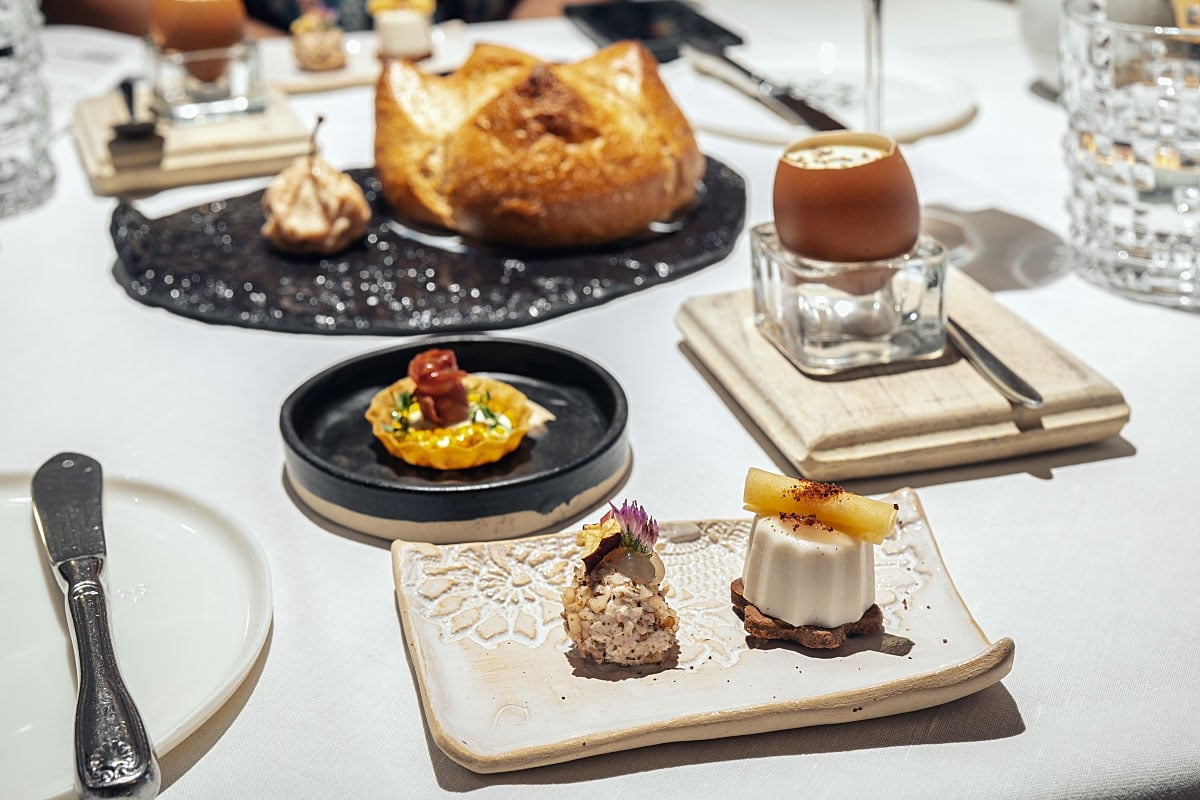
The first bites established the kitchen’s recurring themes: tepka pear, buckwheat, old recipes and careful use of ingredients that are easy to overlook. They arrived as small dishes, each with its own character.
Bread and Butter
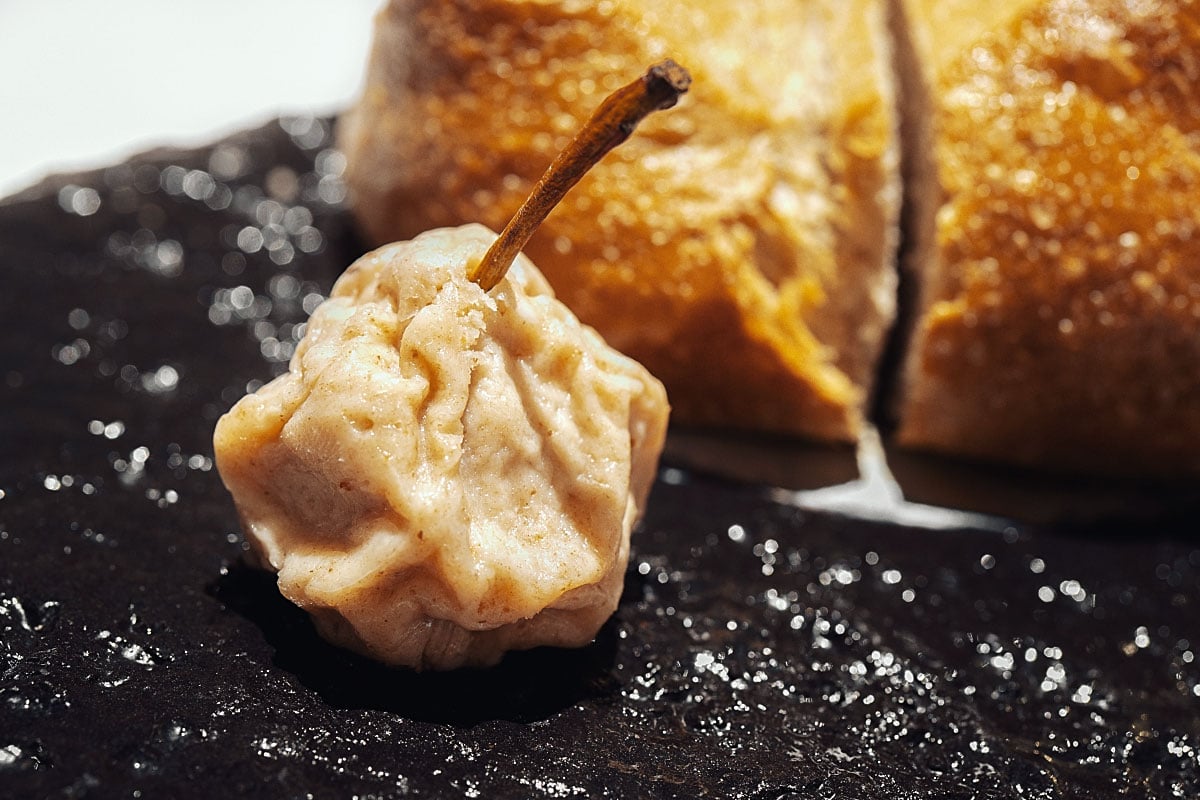
The sourdough had a brittle, deeply browned crust and a springy center. It was warm enough to soften the butter, and the salted version let the bread speak for itself. Tepka pear butter took a different route, bringing caramel notes first and a more recognizable pear flavor as we continued eating. Bread can disappear into the background during a long menu; this one made us pay attention before the first plated course.
Fish Praline
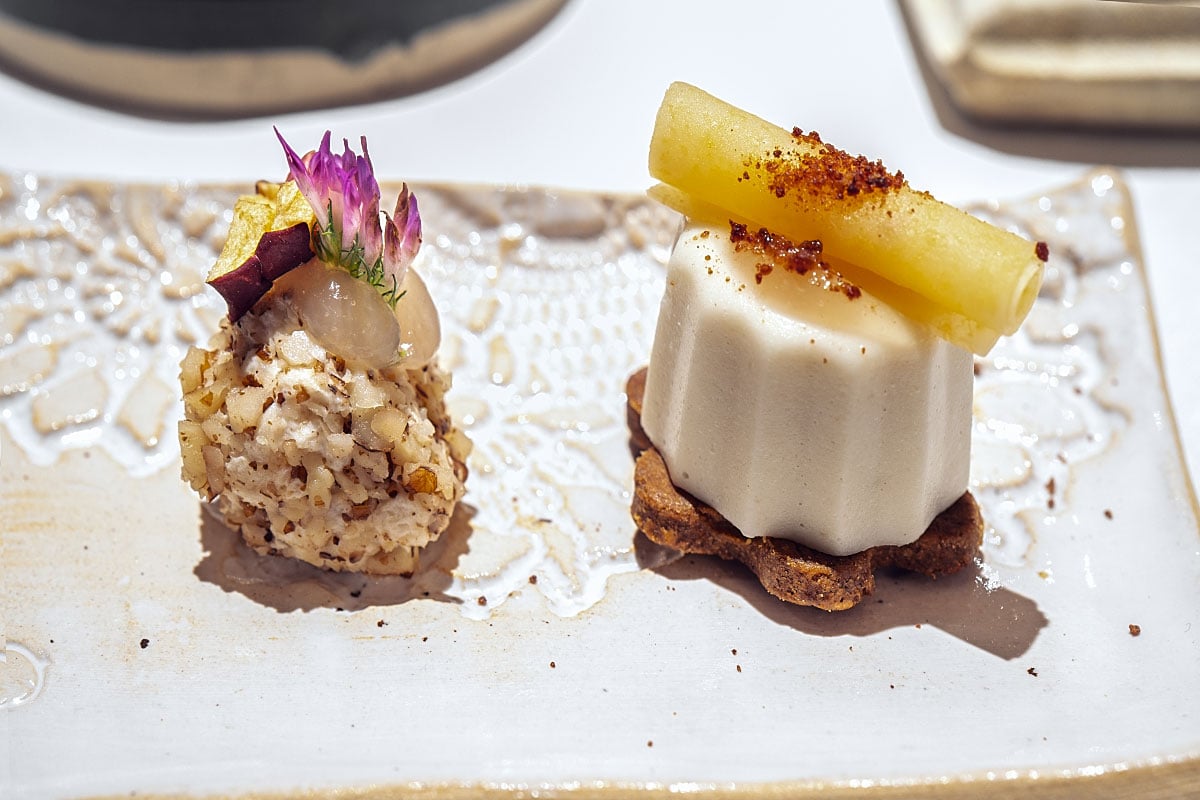
Walnuts gave the fish praline its first impression. We noticed their texture and flavor before the slightly smoky fish at the center emerged. Apple jelly brought sweetness and acidity to the bite, keeping the nut coating from becoming too heavy. It was a clever progression in miniature: what looked like one flavor at first turned into something else by the end.
Sunchoke Cake
Sunchoke formed the creamy, nutty center of this small cake, with just enough smoke to register without covering the vegetable. Kohlrabi brought sweetness and a firmer bite. Underneath, crisp buckwheat strengthened the nutty side of the dish, while tepka pear powder gave the finish a little lift. The combination made a modest root vegetable seem entirely at home at the beginning of a tasting menu.
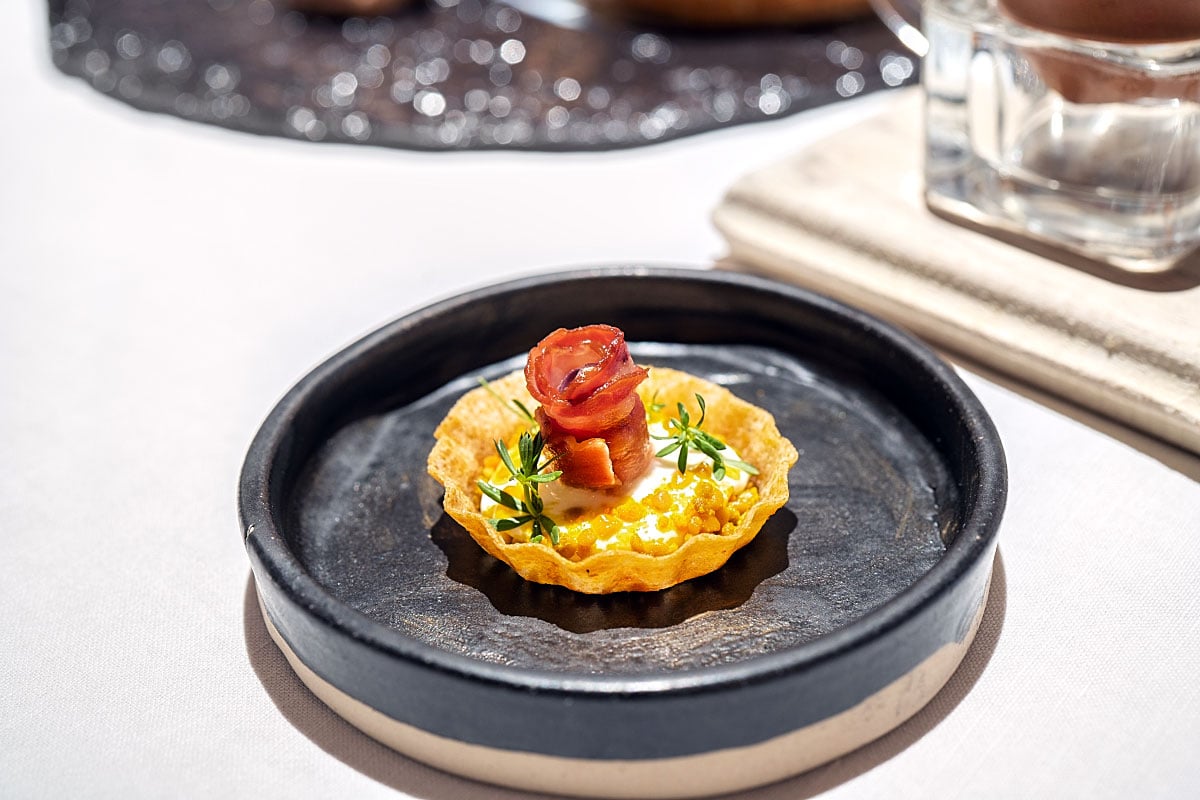
Slaughter
The provocatively named Slaughter was a small bite built around pork, apple, horseradish and pollen. The smoky bacon gave it depth, while juicy apple and the sharpness of horseradish kept it lively. Pollen added a gentler sweetness. The references to spring and older food traditions were there, though the pleasure of the bite did not depend on knowing the story in advance.
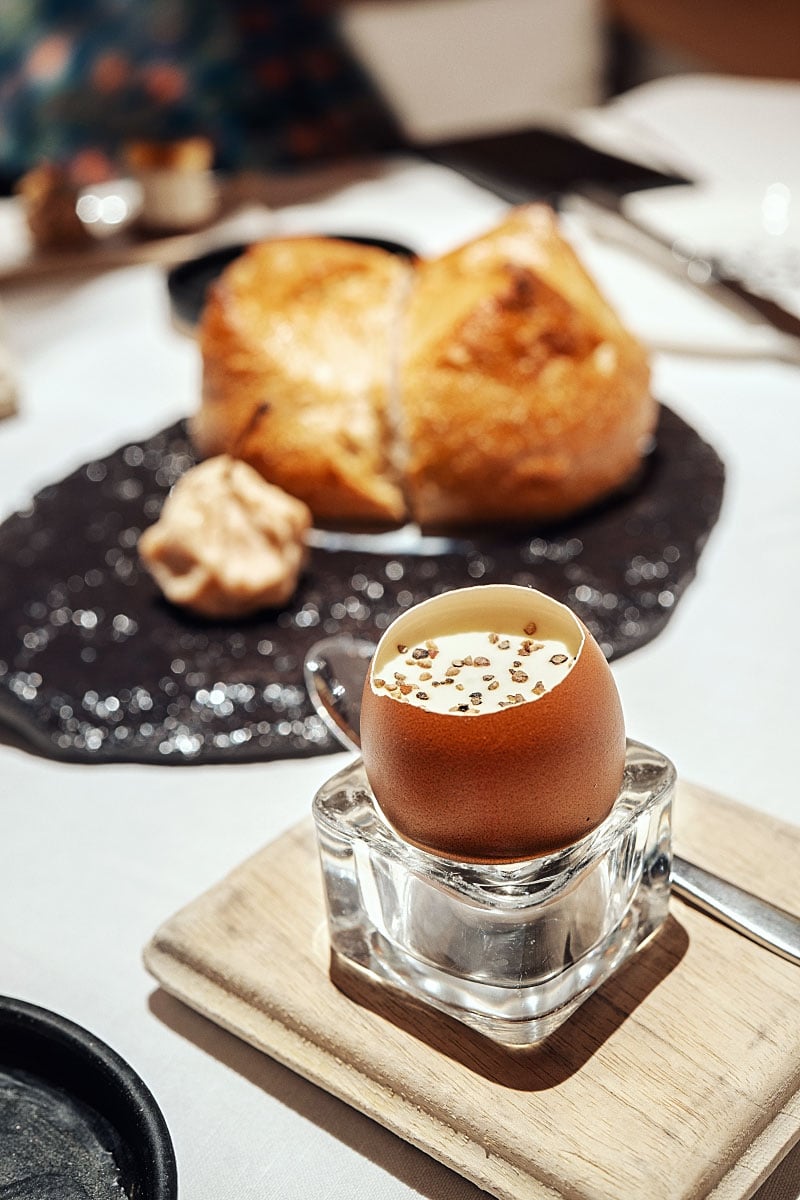
Carniolan Breakfast
Served in an eggshell, Carniolan Breakfast began with a hint of black pepper. Deeper down, we found Trdinka heritage corn prepared as soft polenta, potato foam and egg yolk. Pork crackling supplied a crisp, meaty counterpoint to the smooth spoonfuls. It had the warmth and substance of breakfast, compressed into a few bites without becoming a novelty for its own sake.
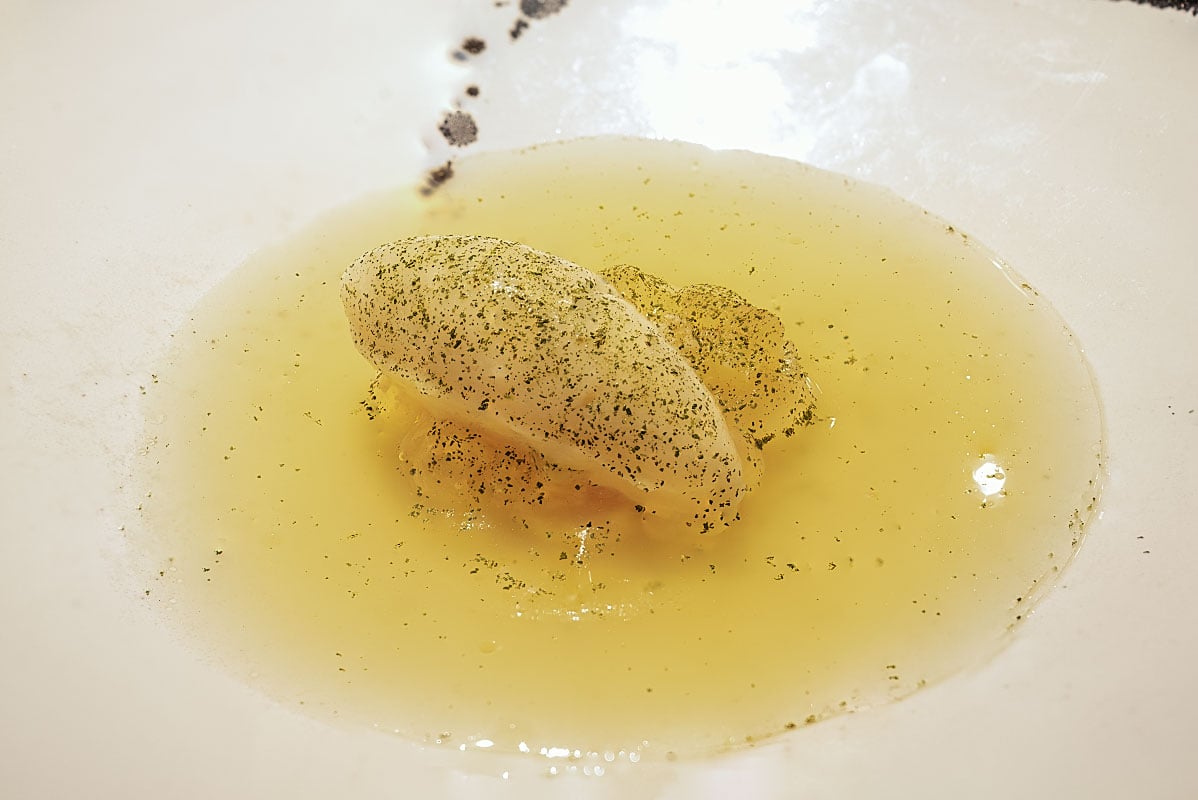
Celeriac, Apple, Hazelnut and Vegetable Sorbet
Baked celeriac grounded this vegetable course with its nutty, earthy flavor. Apple and celery tartare brought freshness, while a celery sorbet made the same vegetable seem lighter and more aromatic. Hazelnuts gave it another texture. A clear consommé gathered the flavors on the plate without obscuring them, so the warm celeriac and cold sorbet remained distinct even as the dish came together.
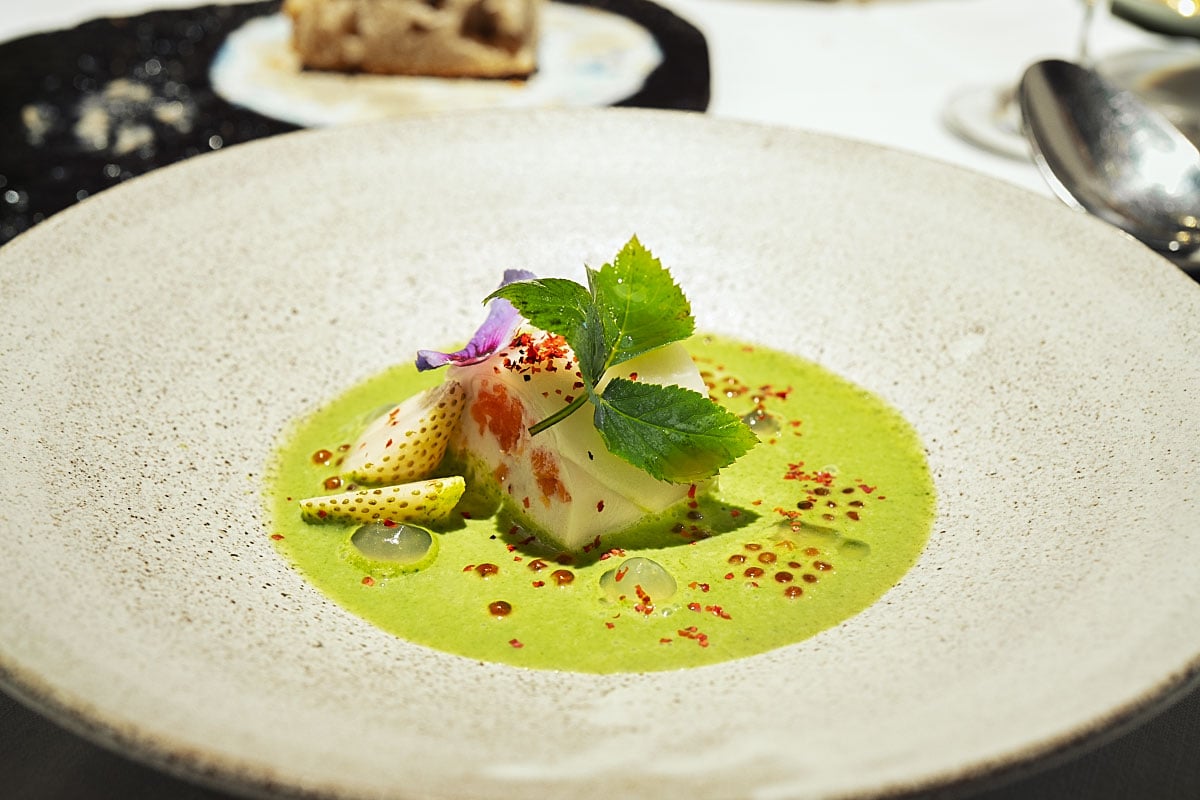
Zupan Lake Trout Terrine with Pickled Kohlrabi
The trout appeared in two forms: a delicate mousse and a lightly smoked preparation that, as we understood it, used apple and pear wood. Pickled kohlrabi brought a clean, sharp edge, with preserved white strawberry and fruit gel adding small flashes of sweetness. Spinach sauce gave the plate an earthier base, while trout roe supplied a gentle pop. There was plenty happening here, yet the fish remained at the center of every bite.
Crayfish Žlikrofi with Carniolan-Style Crayfish Soup
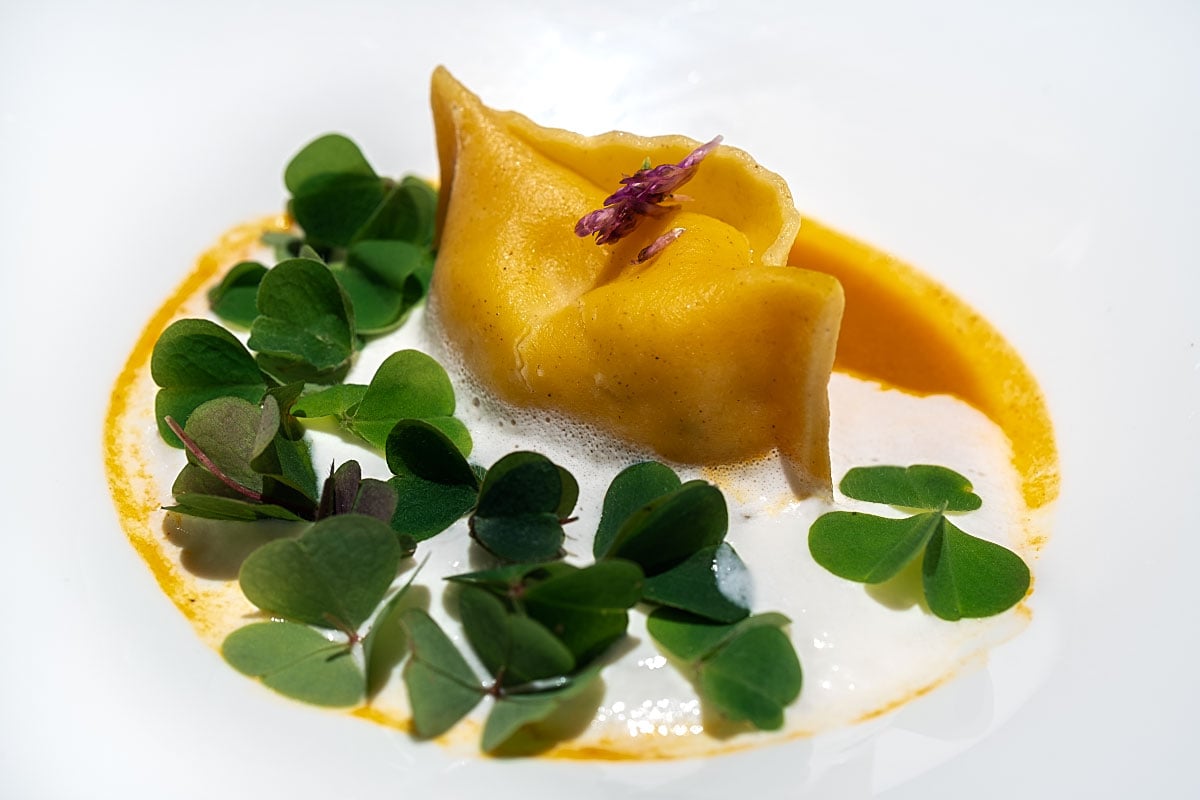
Generous pieces of crayfish filled the žlikrofi, and both the pasta and the meat kept their tender texture. The most concentrated flavor came from a sauce made with the shells. It gave the dish its deep shellfish character, while whey and yogurt added acidity and prevented that richness from becoming relentless. We liked that the part of the crayfish often left behind did some of the most important work on the plate.
Drežnica Kid Goat from Žvanč Farm
The kid goat was remarkably tender, with a gentler flavor than the deep sauce made from its bones suggested. The contrast worked: the meat stayed delicate, and the sauce provided the force. Leaf-wrapped pieces sat alongside young onions and green beans seared in smoked butter. A light note of tarragon connected the vegetables, meat and savory sauce.
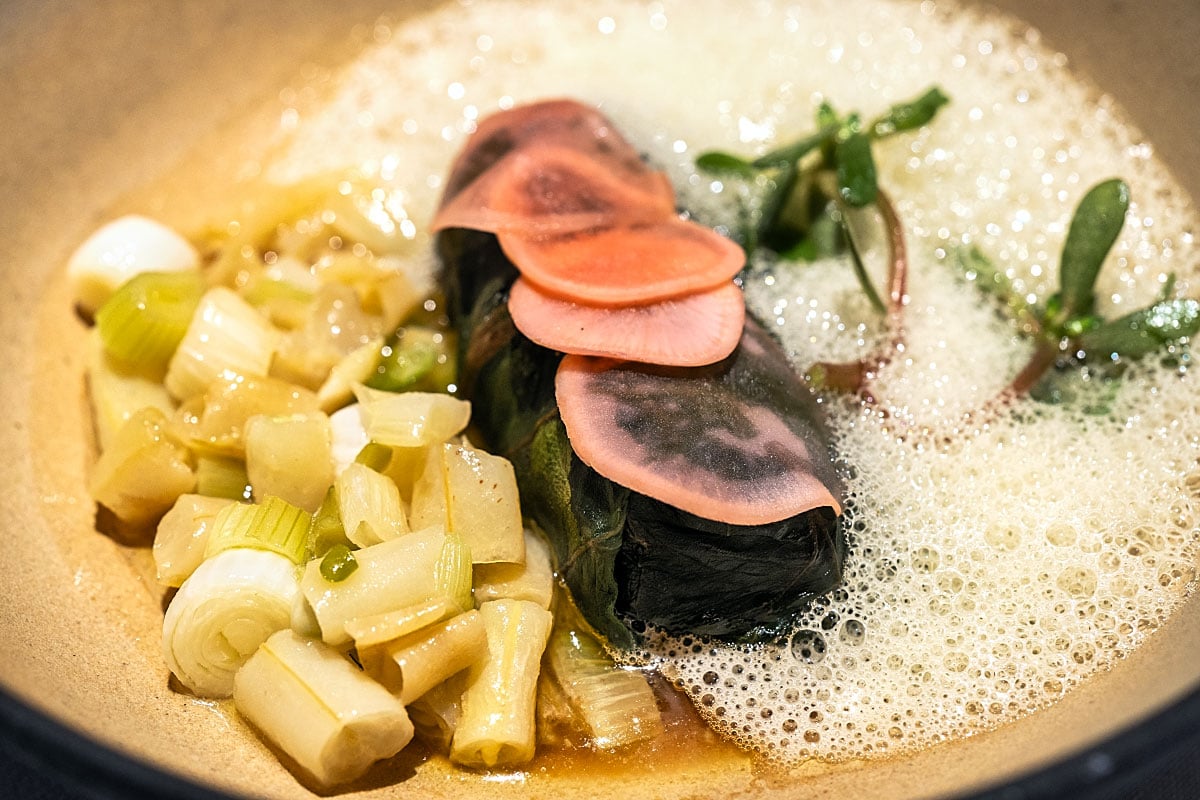
Štefelin introduced us to the Drežnica goat with such warmth that the story stayed with us alongside the dish. We appreciated hearing why Slovenia’s only indigenous goat breed matters to him, and how carefully he speaks about the people who raise it. His commitment to preserving Slovenian breeds and local food traditions gives this course meaning beyond the plate.
Fillet of Zupan Rainbow Trout
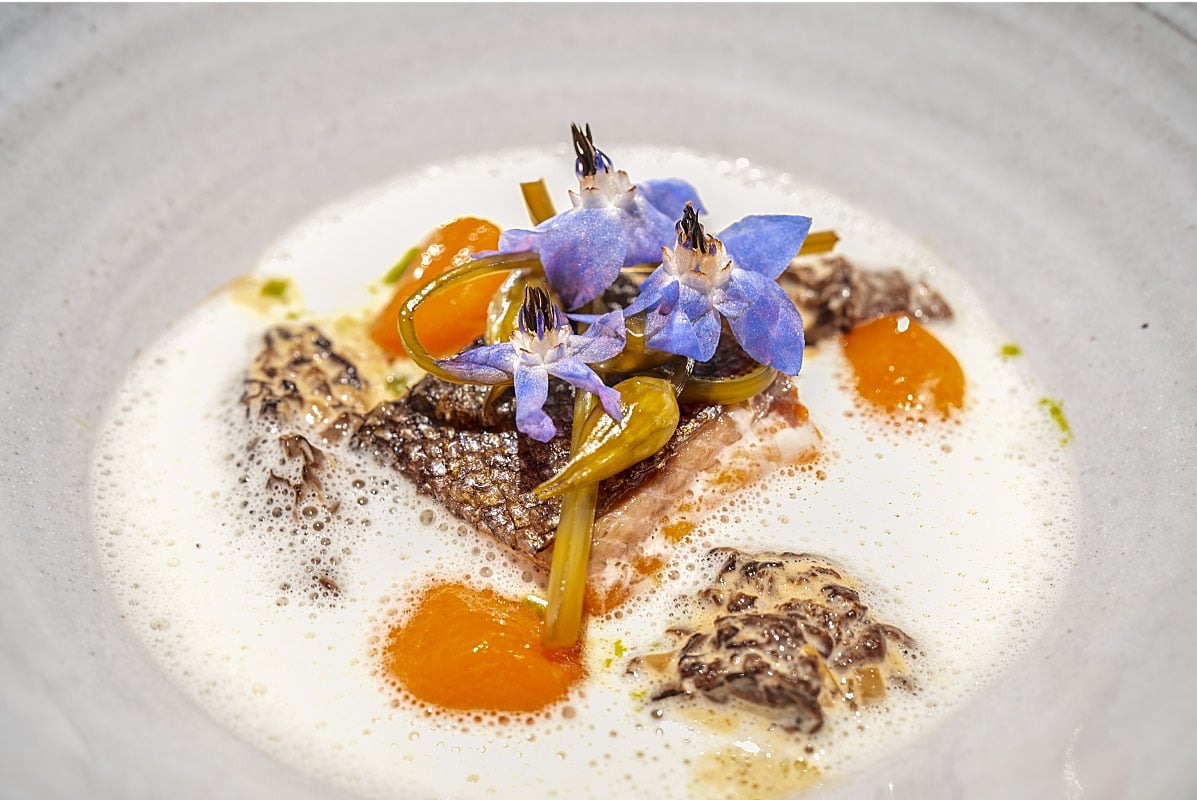
The aroma of this course briefly took us somewhere far from an Alpine stream, an unexpected association before we tasted the trout. The fillet itself was precisely cooked. A fragrant, foamy sauce made from the fish bones brought its flavor back into focus, with morels adding depth, carrots a honeyed sweetness and barley seasoned with wild garlic a firmer bite. Each part was recognizable, and together they made a particularly satisfying fish course.
Sweetbreads with Porcini Mushrooms and Egg
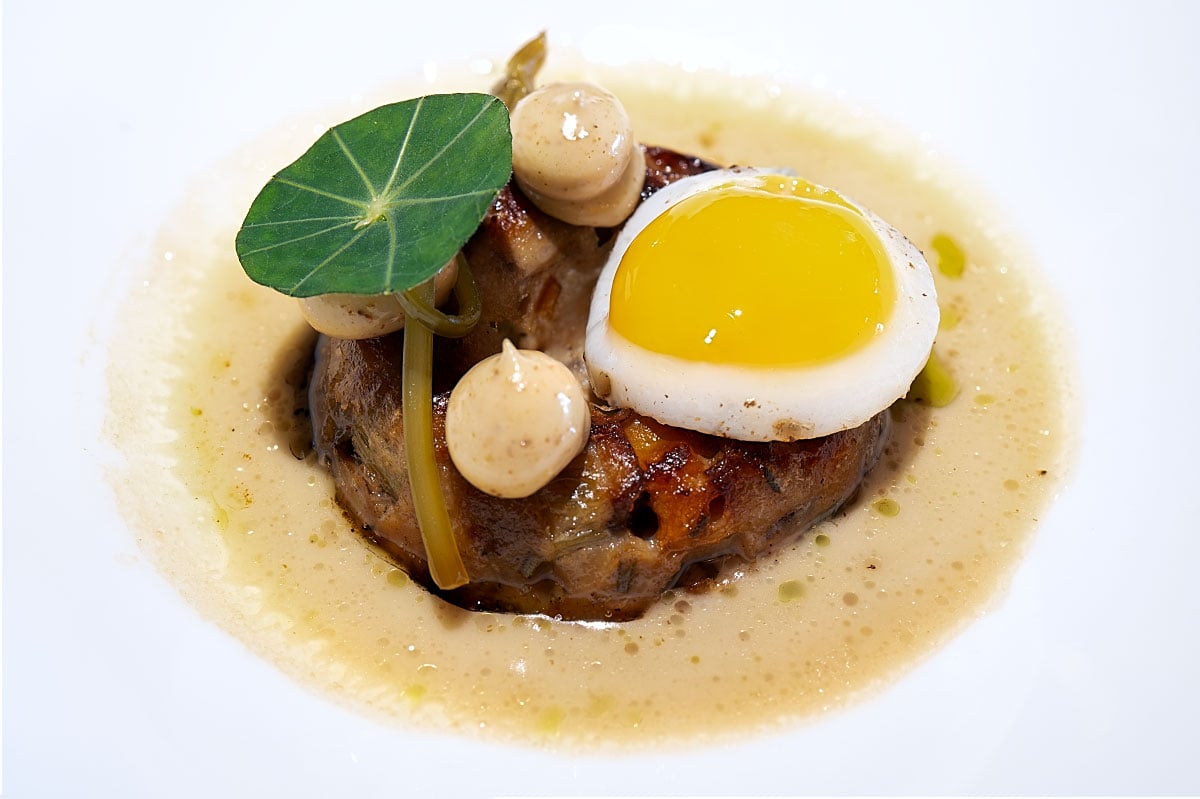
Finely chopped sweetbreads and vegetables had been pan-seared into a soft, rich mixture. Porcini mushrooms stayed somewhat in the background visually, then made their presence known in the flavor. Egg, mustard and a velouté sauce added further richness and a little sharpness. We enjoyed the idea and texture of the dish, though it was noticeably salty to us; the seasoning briefly overshadowed ingredients that had plenty to say on their own.
Bandeljc with Herbs, Leek Sauce and Sour Cream Ice Cream
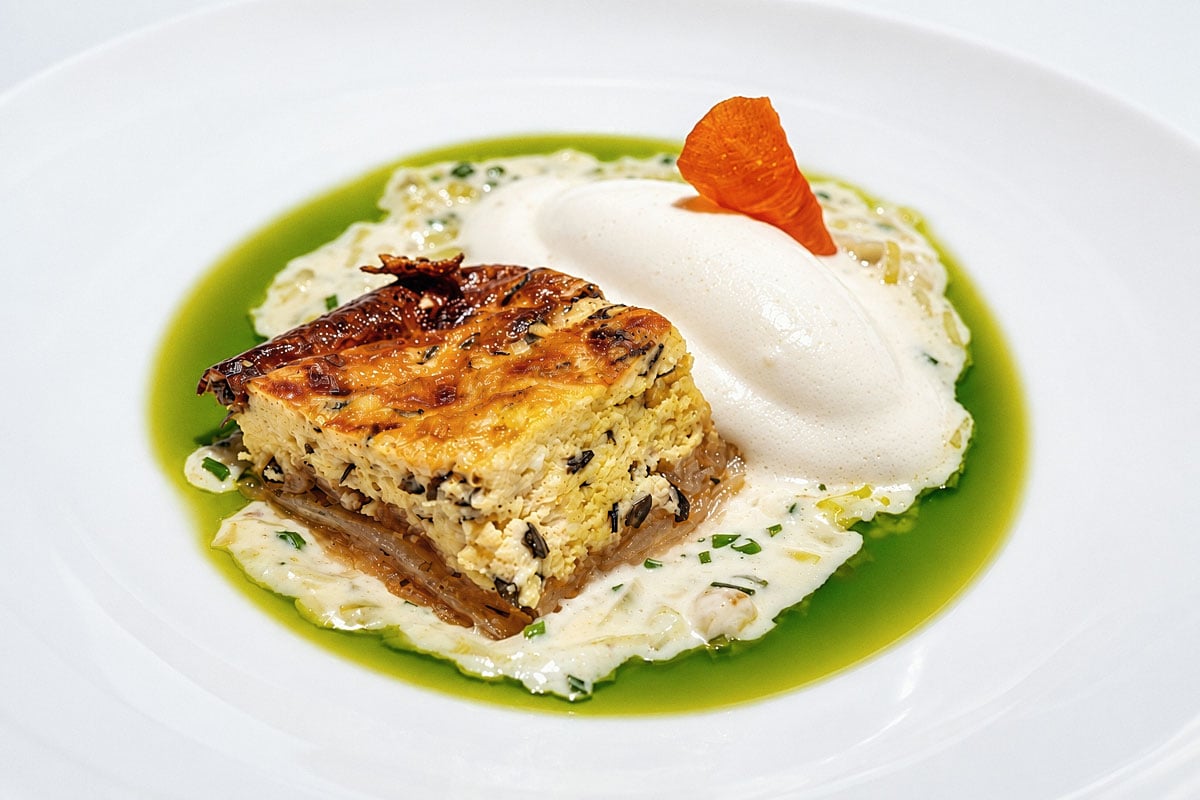
Bandeljc brought dough and curd cheese seasoned with tarragon together in a dish linked to Valentin Vodnik’s 1799 cookbook. Its soft, juicy center worked with the leek sauce and roasted leeks, which added sweetness as well as a more savory, browned note. Sour cream ice cream cooled the plate and gave the old recipe an unexpected finish. This was a contemporary interpretation we could understand in every mouthful, with the original dish still clearly present.
Rhubarb Sorbet
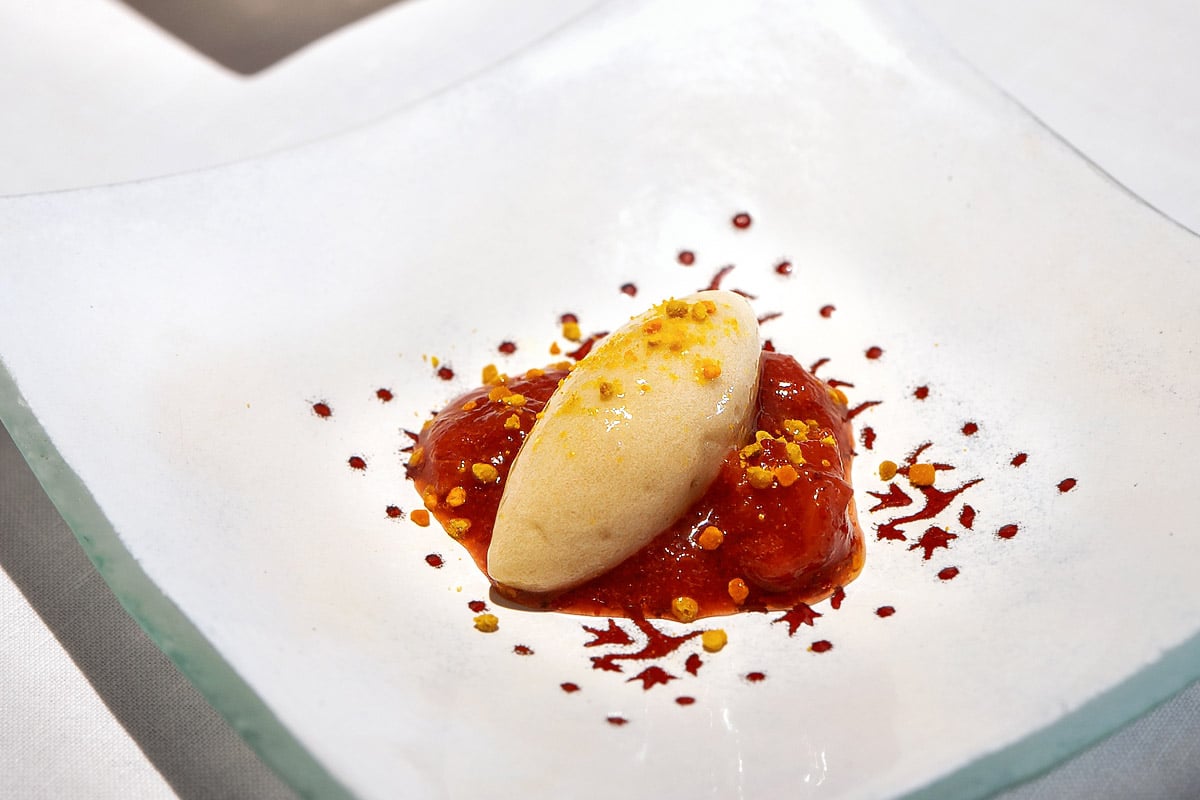
Rhubarb sorbet brought the meal back toward acidity after the richer courses. Fermented rhubarb and strawberry added fruit and a different sort of sweetness. Tiny pollen balls changed the texture and gave us one more reminder of the growers and landscape behind the menu. The course refreshed our palates before the roe deer, while still having enough going on to be remembered as more than a pause.
Roe Deer from Kočevje*
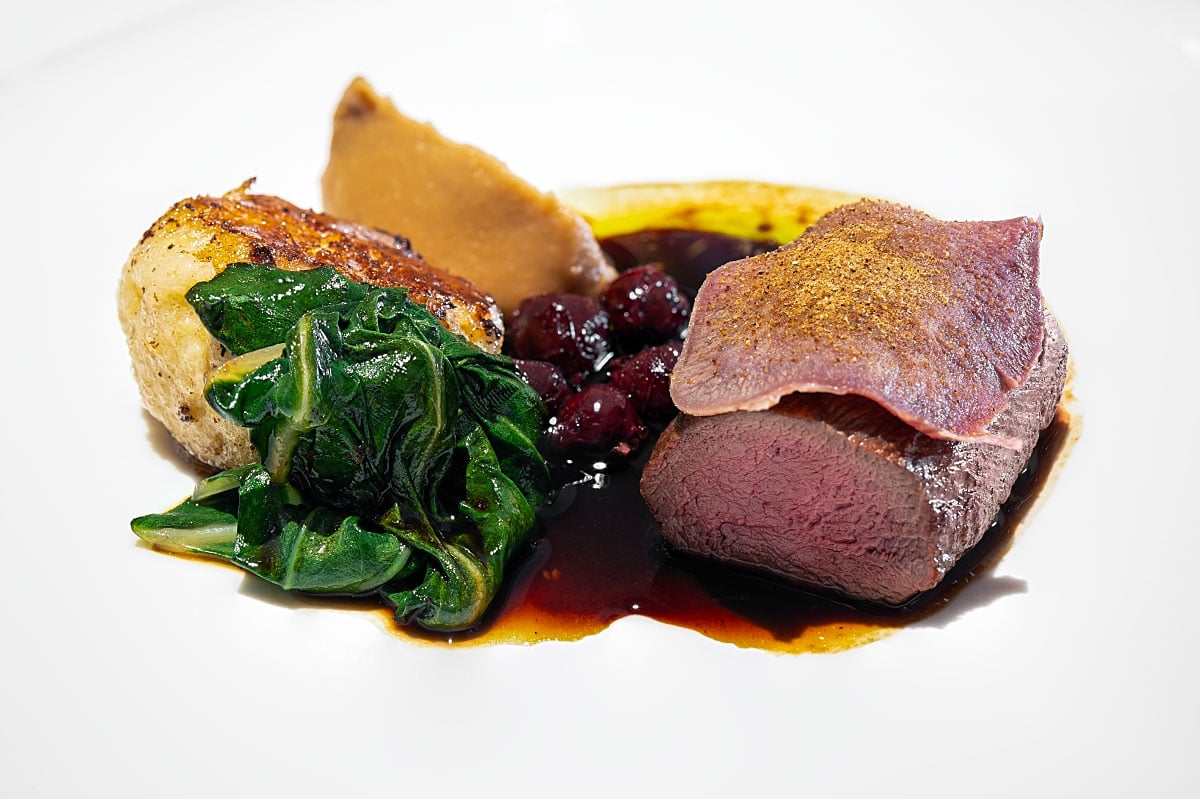
The roe deer loin retained a pleasant bite, especially beside a thin slice of much softer veal tongue. Roasted parsnip purée and small potato dumplings brought warmth and substance; Jamar cheese gave the dumplings a stronger flavor. Spruce tips sauce and dried porcini drew the plate toward the forest, while pickled juneberries supplied juicy, sweet-sour relief. A rich demi-glace gathered those elements together. There were many components, but each gave us a reason to return to the next bite.
*Kočevje is home to Slovenia’s primeval forest, a haven of untouched and pristine nature.
Mountain Pasture on a Plate
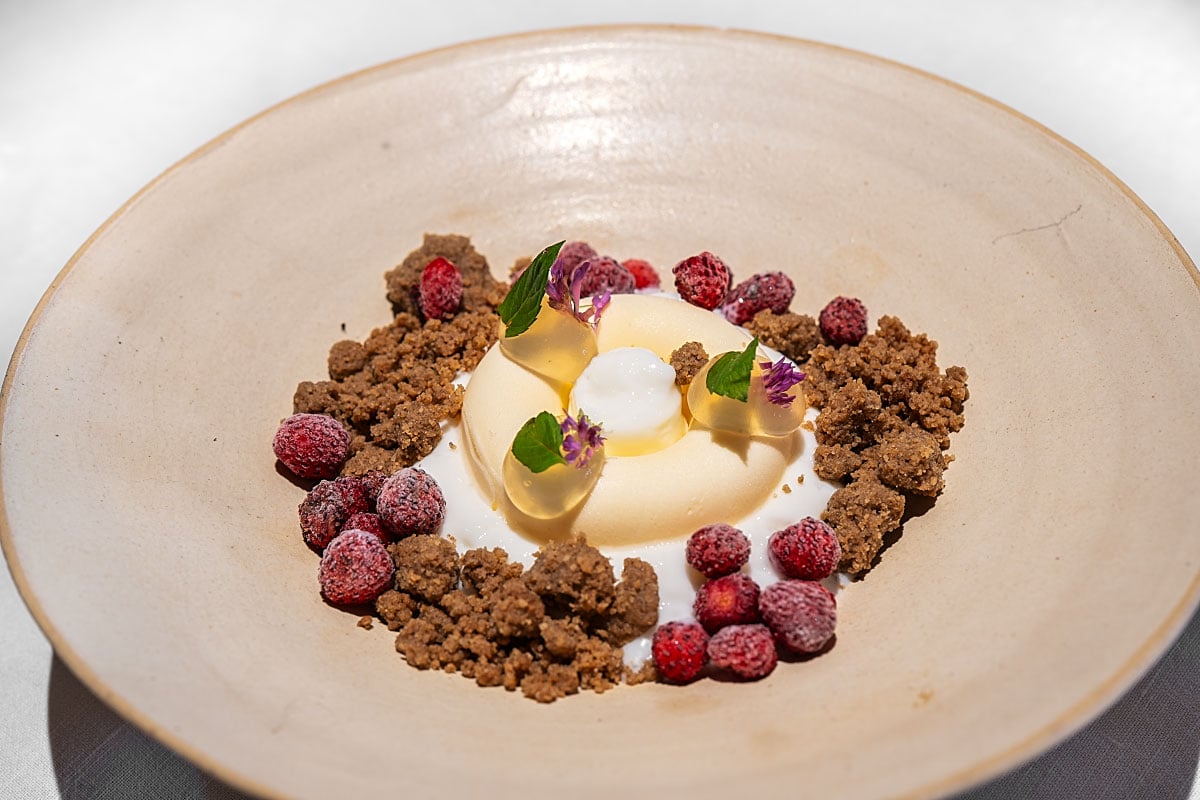
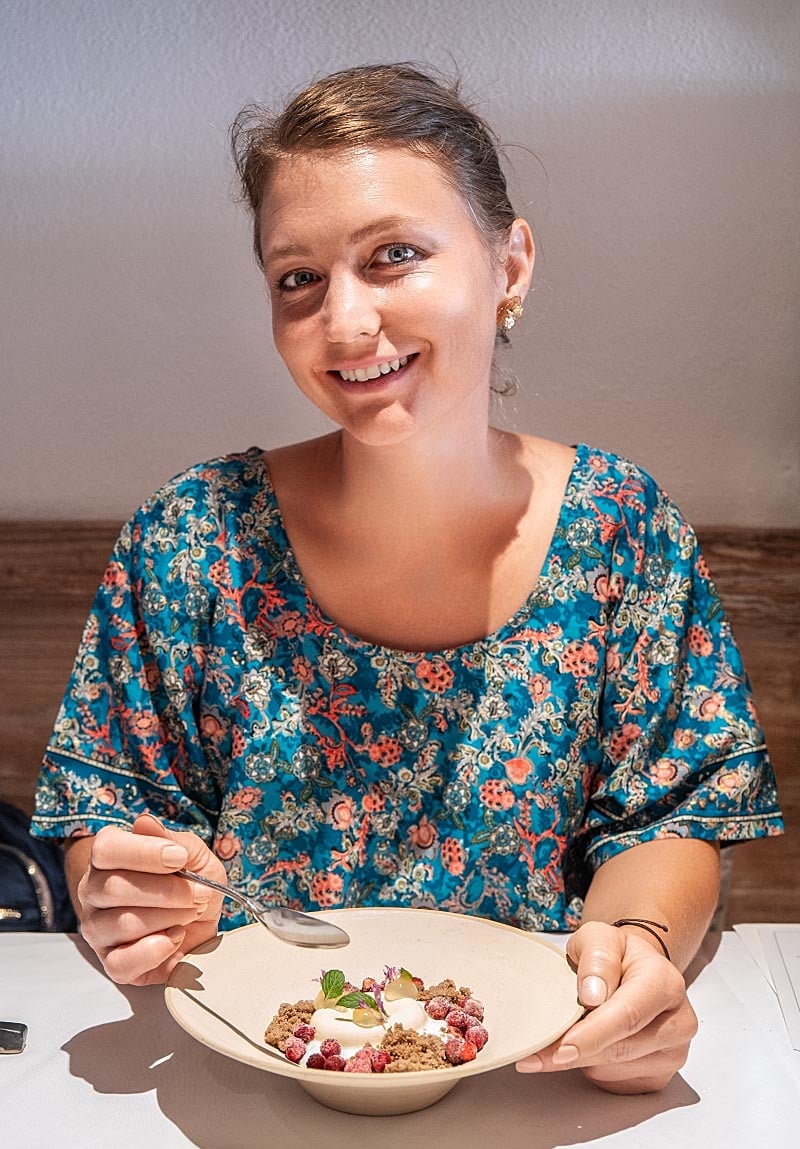
Wild thyme and frozen wild strawberries made an immediate pairing. The little berries offered acidity and a brittle, icy texture, while buckwheat žganci brought a gentle chew and the substance of mountain food. Lovage shifted the dessert toward savory territory just as it seemed to be settling into sweetness. We liked that tension. It made the final plated course feel connected to the rest of the meal instead of arriving from a different kitchen.
Chocolate Petits Fours and Tepka Pear
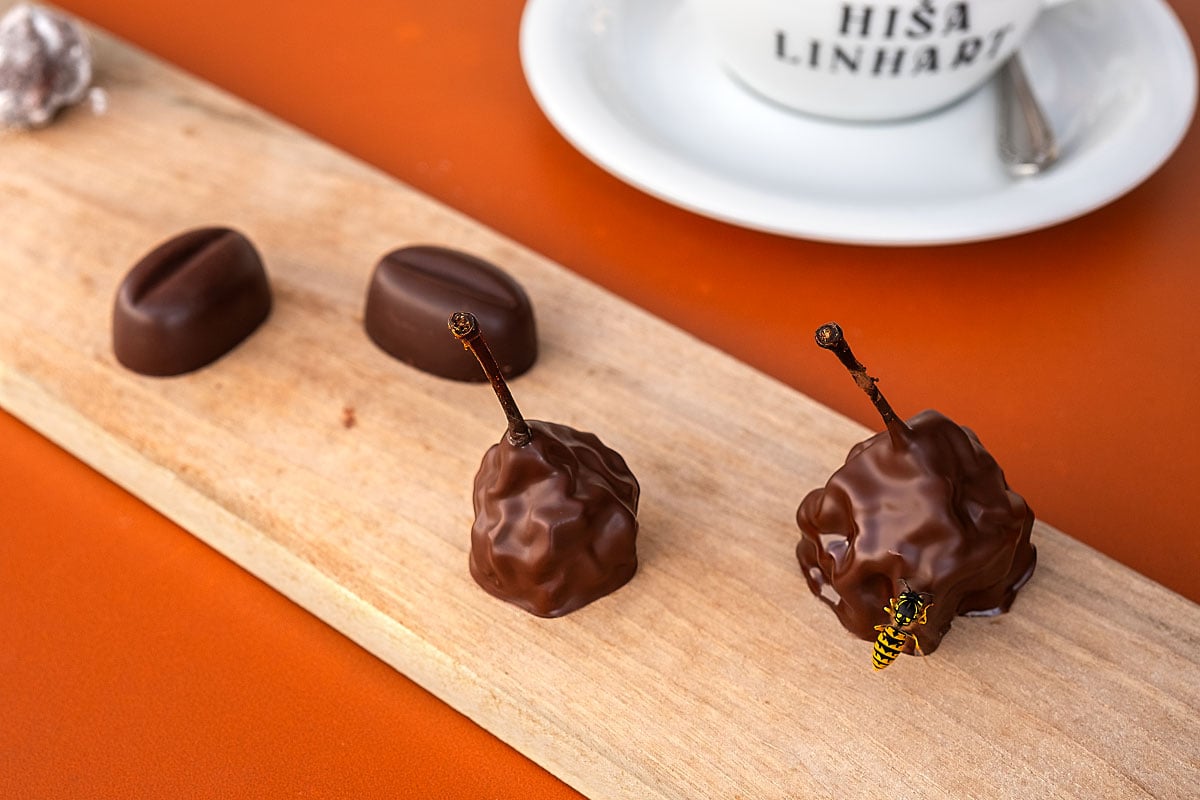
The last bites returned to ingredients we had met earlier. A dark chocolate praline with puffed buckwheat gave way to a nutty crunch as the chocolate melted. Dried tepka pear coated in chocolate was chewier, and its flavor continued to develop as we ate it. Another small chocolate piece recalled stones from the Sava River and brought tepka brandy into the finish. We left with the pear still in mind, from the first drink to the last sweet bite.
Our Verdict on Hiša Linhart
Hiša Linhart is best suited for diners who relish an unhurried tasting menu and value a dish’s origin as much as its flavor profile. We still stand firmly behind the praise we gave Uroš and Marcela during our previous visit; this establishment remains a true treasure trove of Slovenian gastronomy.
The crayfish sauce, the goat course, and the surprisingly savory Mountain Pasture dessert left a lasting impression. While a lighter hand with the salt on the sweetbreads would have been welcome, the experience as a whole delivered a vivid portrait of Štefelin’s culinary identity in Radovljica. His commitment to elevating traditional Slovenian ingredients to their full glory is immensely commendable.
Longtime readers will recall our Vila Podvin review, which captured our meal with Štefelin at his former residence. Did Hiša Linhart top that experience? Without a doubt: the philosophy is sharper, the execution elevated, and the hospitality flawlessly executed. A truly memorable lunch.
Hiša Linhart Review Card
-
ATMOSPHERE – 9.0/109.0/10
-
SERVICE – 9.9/109.9/10
-
PRESENTATION – 9.7/109.7/10
-
FOOD – 9.8/109.8/10
-
DRINKS – 9.9/109.9/10
-
VALUE – 9.6/109.6/10
Practical Details
| Detail | Information checked in September 2026 |
|---|---|
| Restaurant | Hiša Linhart |
| Address | Linhartov trg 17, 4240 Radovljica, Slovenia |
| Chef | Uroš Štefelin |
| Current tasting menu | Five courses €109; seven courses €140; nine courses €160. The restaurant lists a €5 cover charge. Prices and dishes can change. |
| Restaurant hours | Tuesday to Saturday, 12:00–22:00; last tasting-menu service at 20:00. Closed Sunday and Monday. |
| Phone | +386 8 384 34 70 |
| Website | Official restaurant website |
Frequently Asked Questions
Does Hiša Linhart have a Michelin star?
Yes. Hiša Linhart was awarded one Michelin star in 2022—its very first year at the new location—and continues to maintain this prestigious recognition under Chef Uroš Štefelin.
Can you stay overnight at Hiša Linhart?
Yes, Hiša Linhart is a boutique hotel as well as a fine dining restaurant. It offers 12 uniquely designed rooms set in a restored 16th-century town building right in the heart of Radovljica’s old town.
Is Uroš Štefelin still at Vila Podvin?
No. Štefelin and Marcela Klofutar moved their project from Vila Podvin to Hiša Linhart in Radovljica in late 2021. Vila Podvin remains open as a separate establishment.
How much is the Hiša Linhart tasting menu?
In September 2026, the restaurant listed five courses for €109, seven for €140, and nine for €160, plus a €5 cover charge. Check their official website for the most current prices before booking.
Can you book Hiša Linhart for a vegetarian or vegan meal?
Yes. The restaurant offers vegetarian and vegan options. Be sure to inform the team about any dietary requirements when reserving, as dishes are tailored to fresh seasonal produce.
Where do you park when visiting Hiša Linhart?
Because Hiša Linhart is located in a pedestrian-only zone in Radovljica’s historic town center, guests can use the free public parking lots located just a short 2-minute walk away outside the old town walls.

You might also like