What if you don’t like the wine?
If a wine seems faulty, ask the sommelier to check it. If you simply dislike the style, explain what is not working and discuss the options. With a wine pairing, give feedback before the next pour and ask about any price difference before agreeing to a change.
The bottle is presented, a little wine lands in your glass and the table pauses for your verdict. In a formal dining room it can feel like an exam. Fine-dining wine etiquette gets easier once you know why that first taste exists and how to speak up when something is off.
A bottle can be in perfect condition and still not be a wine you would order again. That conversation is separate from spotting a faulty bottle. A tasting-menu pairing adds a third case: the wine suits the dish, yet you do not enjoy it enough to finish the glass. None of these calls for expert vocabulary. If you stay calm and name what you notice, the sommelier has something to work with.
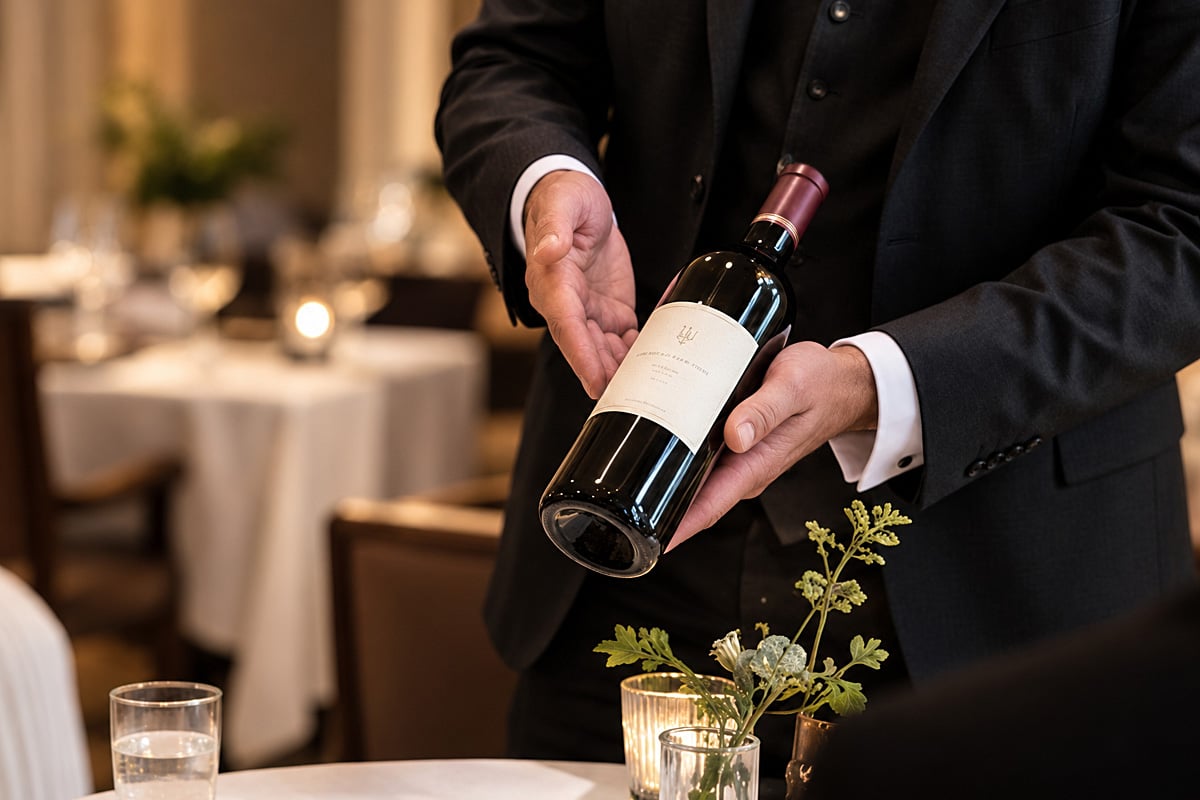
Fine-dining wine etiquette starts before you order
Tell the sommelier what you enjoy and what you would prefer to avoid. “We like dry white wines with fresh acidity and very little oak” is more useful than a request for something good. You can also mention a familiar bottle or describe a style you have disliked. There is no need to name a region or pretend to know the list.
Agree on a price range at the same time. If you would prefer to keep the amount discreet, point to a price on the list and ask for recommendations around that level. Before a bottle is opened, check the producer, wine name and vintage against what you agreed, and confirm the price if the recommendation has changed. If the bottle is not the one you ordered, say so then.

In our Le Normandie Bangkok review, we describe a conversation with the sommelier that led to a single glass of Viognier. Describing the style we wanted gave the sommelier a clear direction, and you can have that same conversation without committing to a full pairing.
What the first taste is for
The small pour from a bottle you ordered mainly confirms its condition; it is not a free sample to help you decide whether to buy. Smell the wine and take a small sip, checking for a possible problem rather than composing a full tasting note.
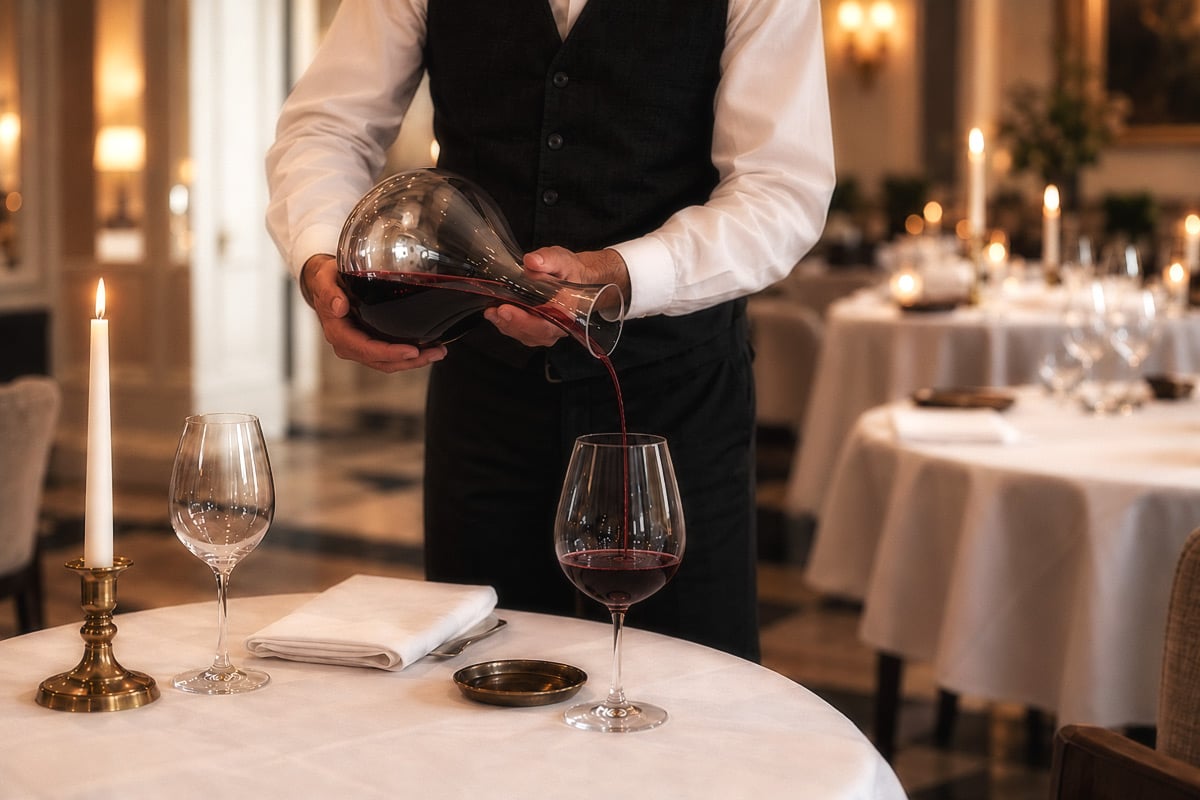
A gentle swirl releases the aromas, and a long assessment is unnecessary. The person who ordered usually tastes, though the table can pick someone else. If you are unsure, “Would you mind checking this with me?” is a perfectly reasonable thing to say, and a waiting table does not oblige you to approve the wine.
When a wine may be faulty
A musty smell resembling damp cardboard can suggest cork taint. Unexpectedly stale fruit and bruised-apple notes may point to oxidation in a wine intended to be fresh. Context matters: some wines are deliberately made in an oxidative style, and an unfamiliar aroma alone does not establish a fault.
Describe what you notice and ask the sommelier to assess it. “This smells quite musty to me. Could you check it?” is enough. You do not need to diagnose the cause. If a problem only shows up later in the meal, mention it then, since approving the first taste does not commit you to staying quiet about a suspected fault.

Serving temperature and the glass itself can also change how a wine seems. If it is too warm or the glass smells of detergent, say exactly that so the team can fix the serving conditions; a fresh glass or a little chilling is often the right first step.
If the wine is sound but you dislike it
You can explain that a wine is not to your taste without claiming that it is faulty. If you selected the bottle yourself, you should normally expect to pay for it even if the style turns out to be a poor fit. Having tasted it first does not change that.
If the sommelier recommended it after discussing your preferences, explain where the recommendation missed. “We were hoping for something light and fresh; this is much richer and oakier than we expected” gives the team something concrete to work with. A restaurant may offer a replacement, suggest another option or explain how the wine might develop with air or food.
Policies differ between restaurants, so ask how a replacement would be charged before you agree. Honest feedback is welcome, and it gives the team a chance to explain what they can offer.

What to do if you dislike a wine pairing
If a wine in the pairing is not working for you, try it alongside the dish first, since the food may change your impression, and then speak to the sommelier before the next pour. If it still tastes unpleasant, you can leave the glass unfinished and describe what you would prefer in the wines still to come.
Be specific about the style: “I am finding this quite sweet. Could the remaining wines be drier?” or “I prefer lighter reds. Is there an alternative to the fuller-bodied styles?” You can also ask why a wine was chosen for the course. Hearing the reasoning can be interesting even if the wine never becomes a favorite.
Ask what adjustments are possible within the restaurant’s service format. Smaller pours, a different wine, individual glasses or an alcohol-free alternative may be available. Not every restaurant can alter a set pairing partway through, so treat these as possibilities to ask about.
Check the cost before making the change: “If we switch to individual glasses for the remaining courses, how would that affect the pairing charge?” Leaving a wine, requesting less or stopping early does not by itself establish a lower price. Settling the arrangement at the table is far easier than untangling it when the bill arrives.
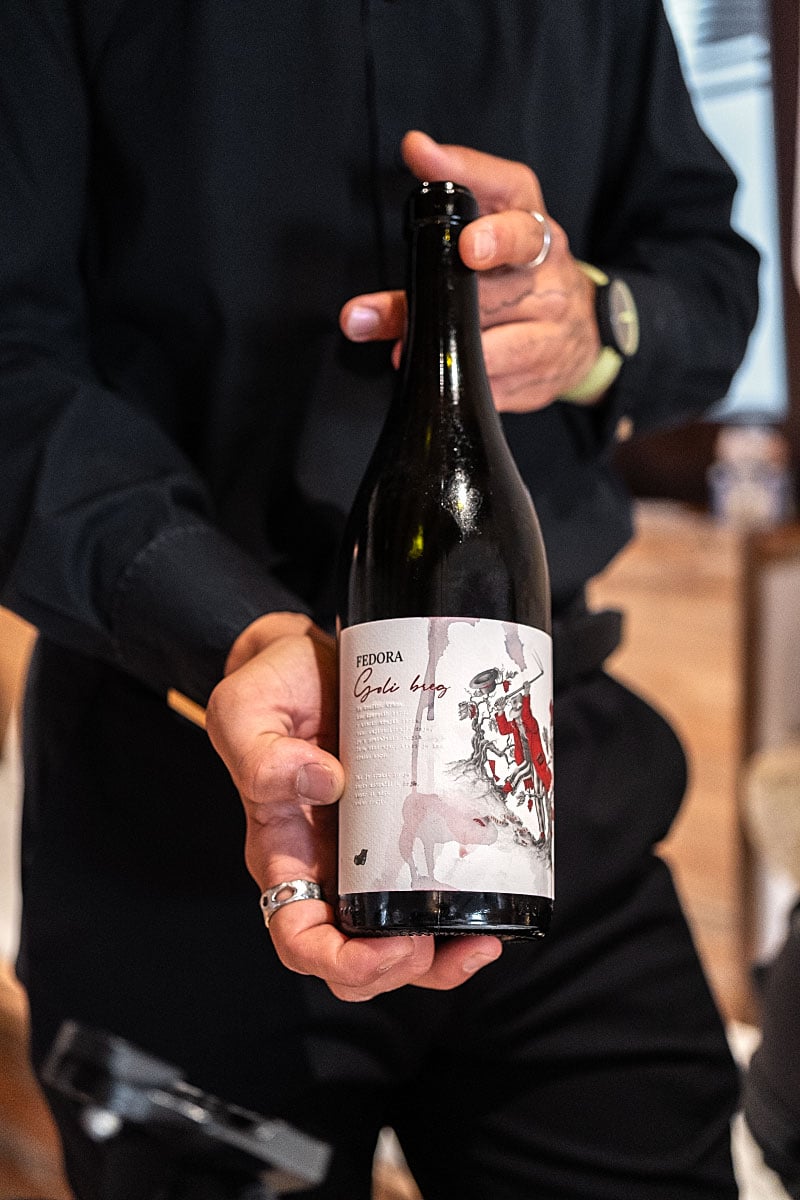
A pairing is optional
A wine pairing can introduce you to unfamiliar bottles and show how the sommelier interprets the menu. You can also ask about ordering individual glasses, sharing a bottle or choosing alcohol-free drinks. Before ordering, check how many pours the pairing includes, the approximate serving sizes and whether guests at the same table can choose different options.
Drink the amount, and the style, that suits your evening. A premium pairing may include rarer or costlier wines that still fit your taste no better than the standard one. Nobody expects you to finish every glass, match another guest’s pace or order wine at all. Good etiquette here comes down to speaking clearly, giving the team time to respond and knowing what you are paying for.
Frequently Asked Questions
Can I send back wine simply because I do not like it?
A sound bottle you selected is normally still chargeable. Explain what you dislike and ask what the restaurant can offer, especially if a recommendation did not match the preferences you discussed. Confirm any replacement charge before accepting another wine.
What is the tasting pour in a restaurant for?
It primarily lets you check the condition of an ordered bottle. Confirm the label and vintage when the bottle is presented, then smell and taste the wine. The small pour is not normally a free trial of its style.
What should I say if I dislike a wine pairing?
Tell the sommelier before the next pour and describe what you would prefer, such as less sweetness, less oak or a lighter body. Ask whether the remaining selection can be adjusted and whether the change affects the price.
Will skipping wines make the pairing cheaper?
Do not assume so. Set pairings have their own pricing arrangements, and leaving a glass unfinished or requesting a smaller pour does not automatically reduce the bill. Discuss the charge before changing or stopping the pairing.
Do I have to finish every glass in a wine pairing?
No. You can leave wine unfinished and ask the team to slow down, pause or stop further pours. If you want to change the rest of the order, ask what options are available and confirm how they will be charged.
Must I smell the cork?
No. Smelling the wine in the glass is more useful when checking for a fault. Pieces of cork in the wine do not, by themselves, mean that the wine has cork taint.
Sources and Further Reading
Sources
- WSET: Common wine faults and how to spot them: Cork taint, oxidation and the distinction between faults and deliberate wine styles.
- Eater: Ask a Somm, Can I Send Wine Back If I Don’t Like It?: Sommelier Steve Wildy’s perspective on polite feedback and replacing a wine that does not suit the guest.