
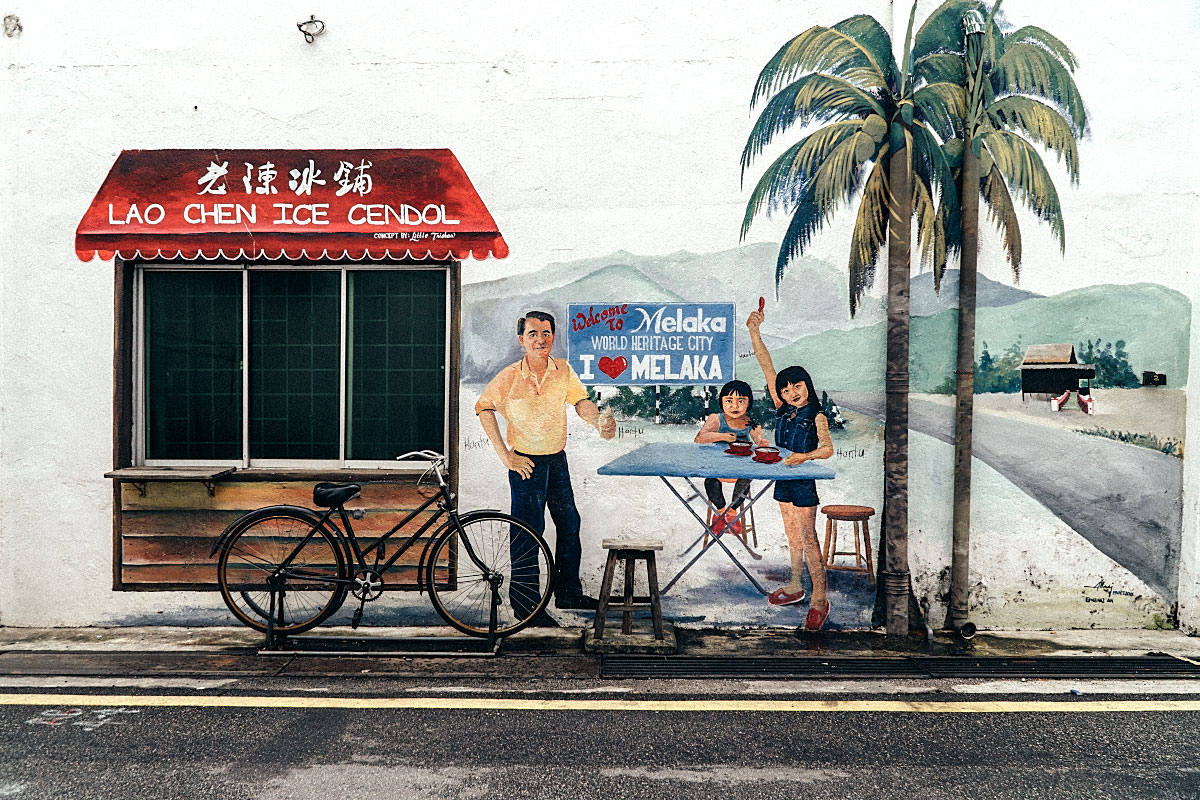
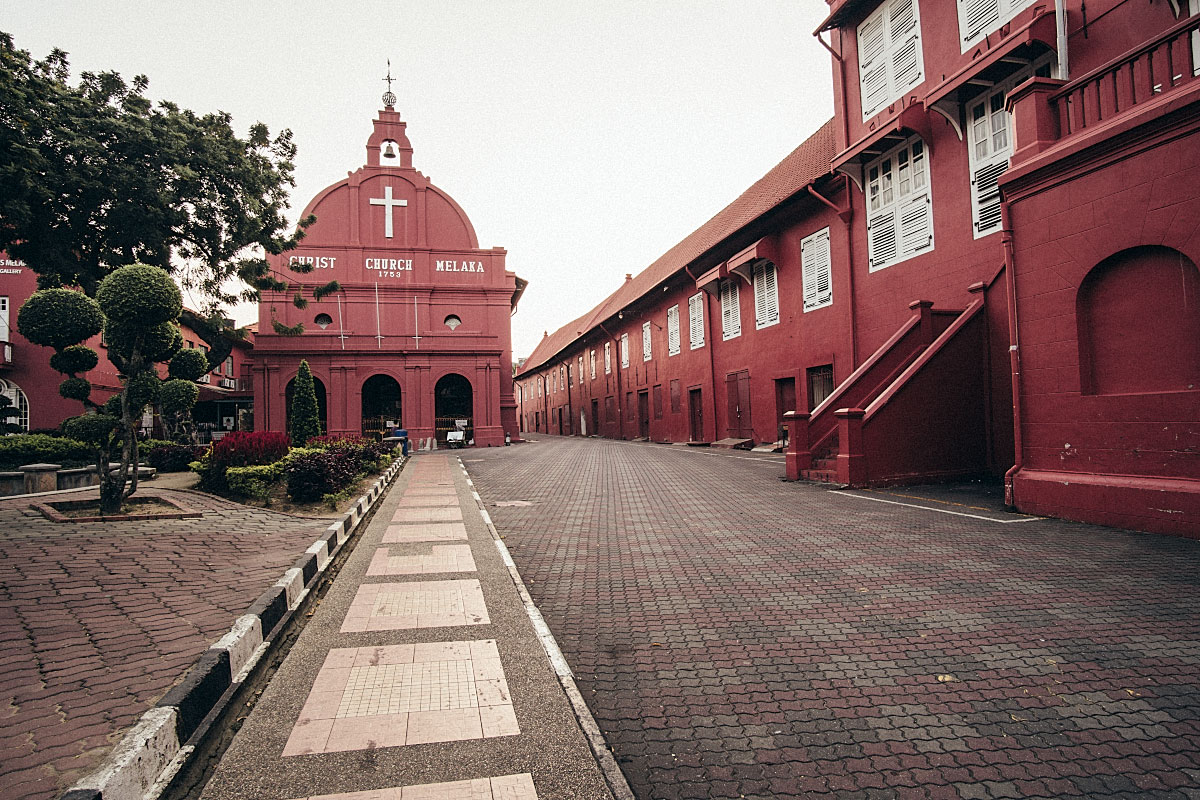
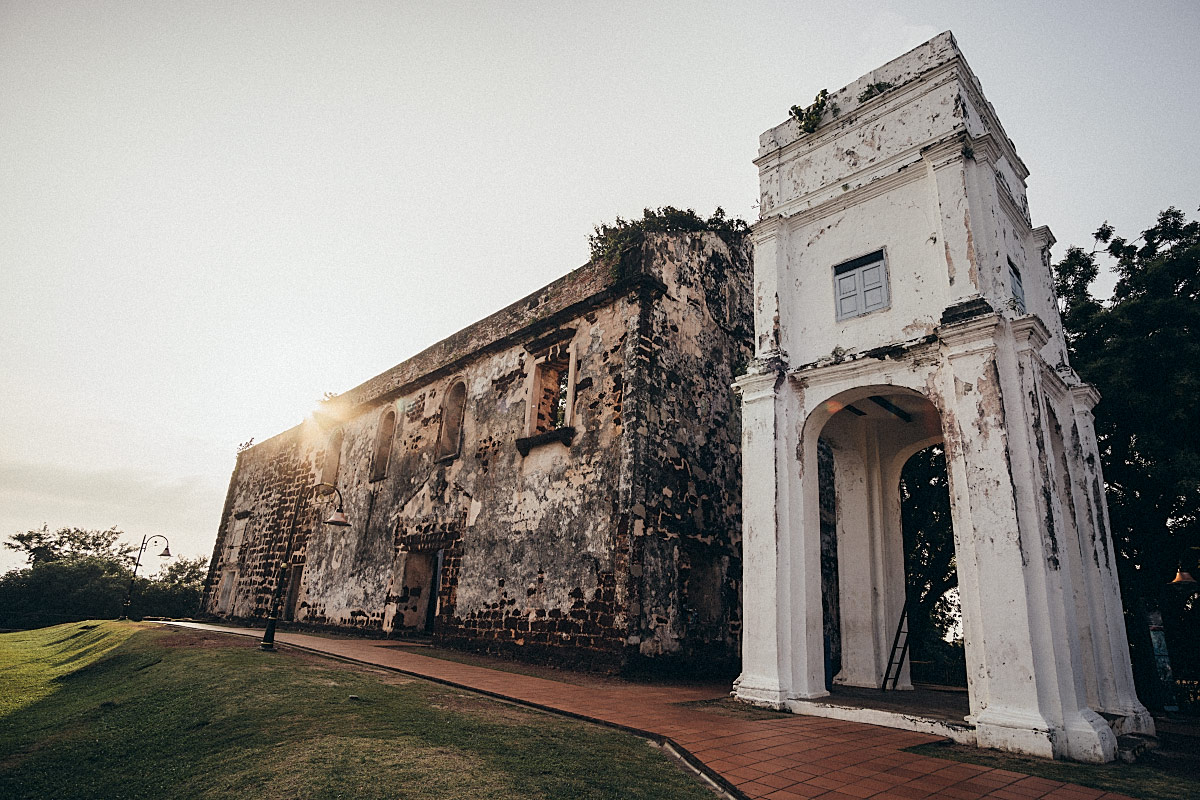
Melaka was our first stop in Malaysia after Singapore. The historic center was compact enough to explore on foot, the food cost less than we had been paying across the border, and there was plenty to photograph. My patience had a harder time with the tour groups and musical trishaws. This Melaka review comes from that first encounter: a city whose food won us over, even when its busiest streets made me want to keep walking.

Melaka Review: Walking the Historic Center
Walking suited the way we wanted to see Melaka: a few historic sights, time for photographs and frequent stops to eat. The main landmarks did not demand long journeys between them. For a more structured route, our guide to what to do in Melaka brings the sightseeing stops together. Here, I am more interested in how the city treated us between those stops.

Crowds were part of the experience almost immediately. We saw tour buses arriving as early as 8:00 AM, so an early start did not automatically mean an empty background. Groups moved through the sights together, stopping repeatedly for selfies. As a photographer, I found the waiting frustrating; getting a clear frame sometimes took more patience than finding the composition. There was no reason to expect a popular heritage city to belong to my camera, of course. I still would have appreciated a little more room.
Food and a Detour to Klebang
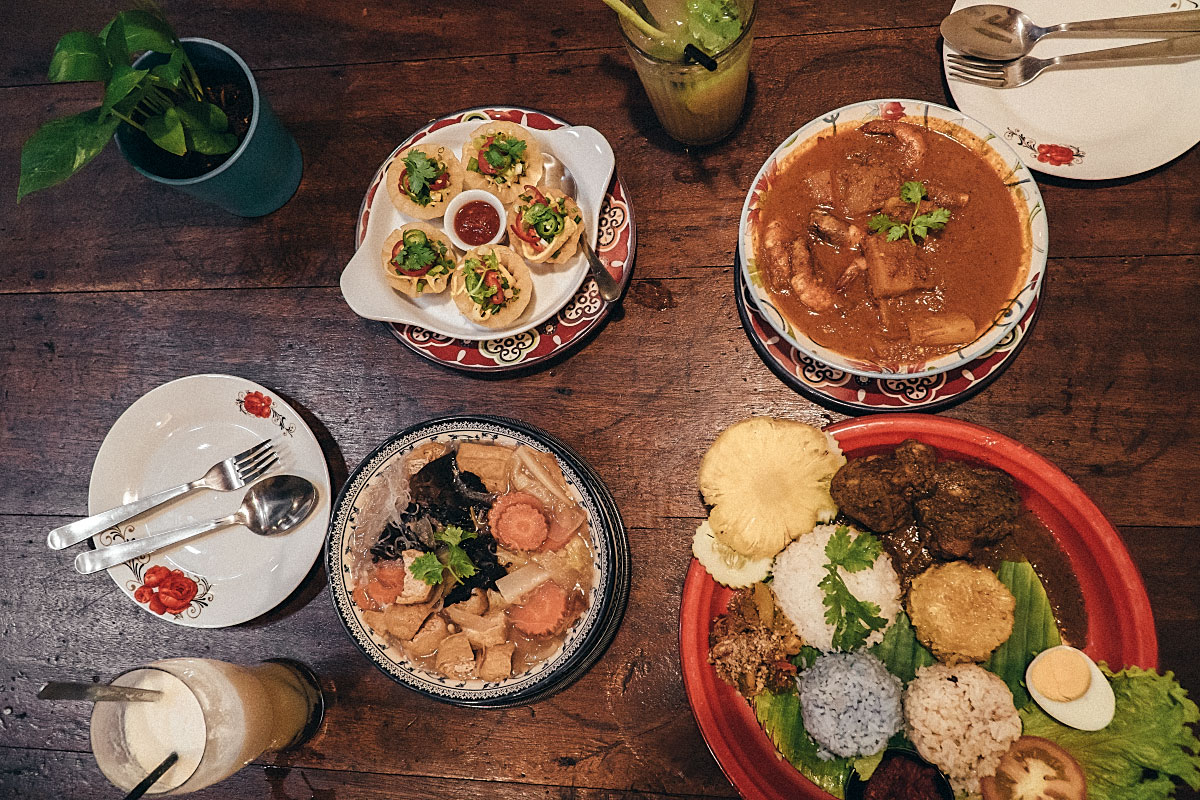
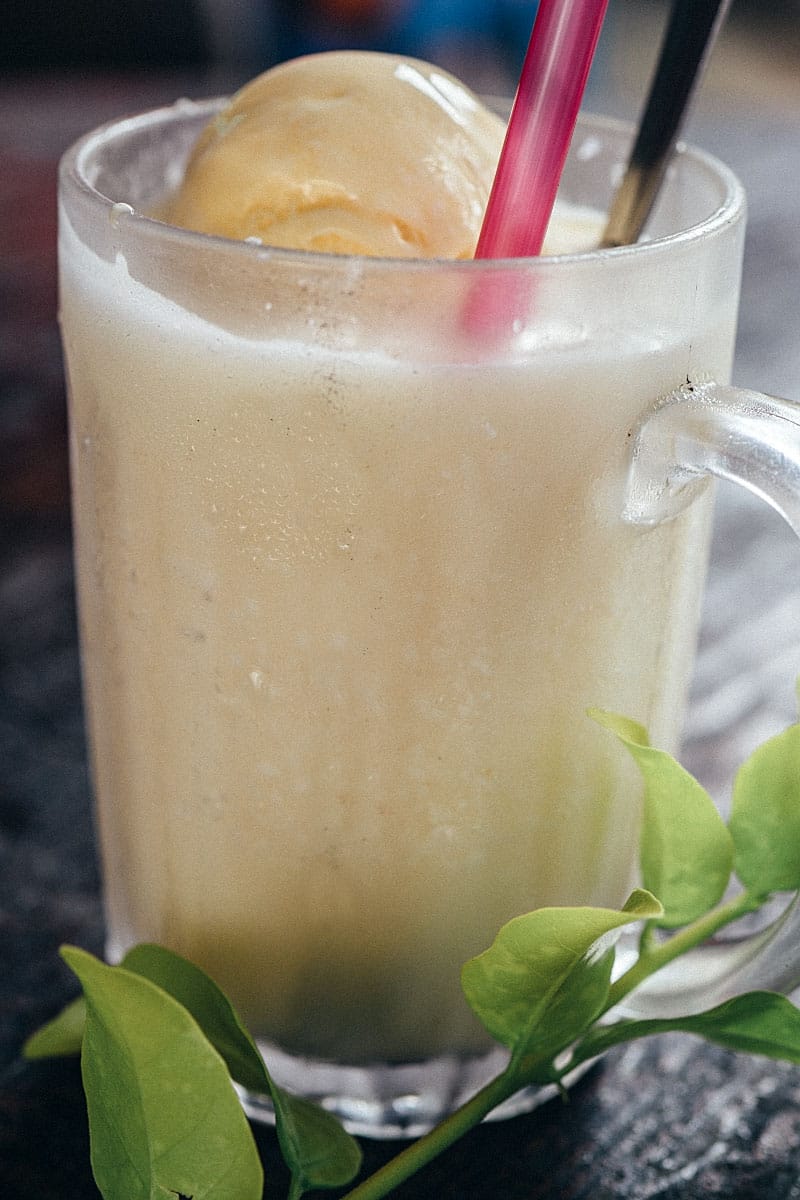
Food was the strongest reason we enjoyed Melaka. Our days settled into a simple pattern of walking, taking photographs and finding something else to eat. We had some excellent bites, including the best coconut ice cream we had tried up to that point. The lower cost compared with our meals in Singapore made exploring easier on the budget too. Our separate guide to food in Melaka goes into the dishes behind that enthusiasm.

Then came the recommendation for Klebang Coconut Shake, outside the historic center. We went to see whether it deserved the praise and came away convinced. For us, it was one of the highlights of the trip. There were fewer tourists there than around the central sights when we visited.

We also visited the sand dunes near Klebang, where the sea view and sandboarding made the outing worthwhile. They were not especially photogenic to my eye, and my camera stayed in its bag. That part of the trip remains a memory, not a current recommendation for an accessible attraction: I have not verified today’s access to the dunes or whether sandboarding is available.
Heritage Worth More Than a Photo Stop
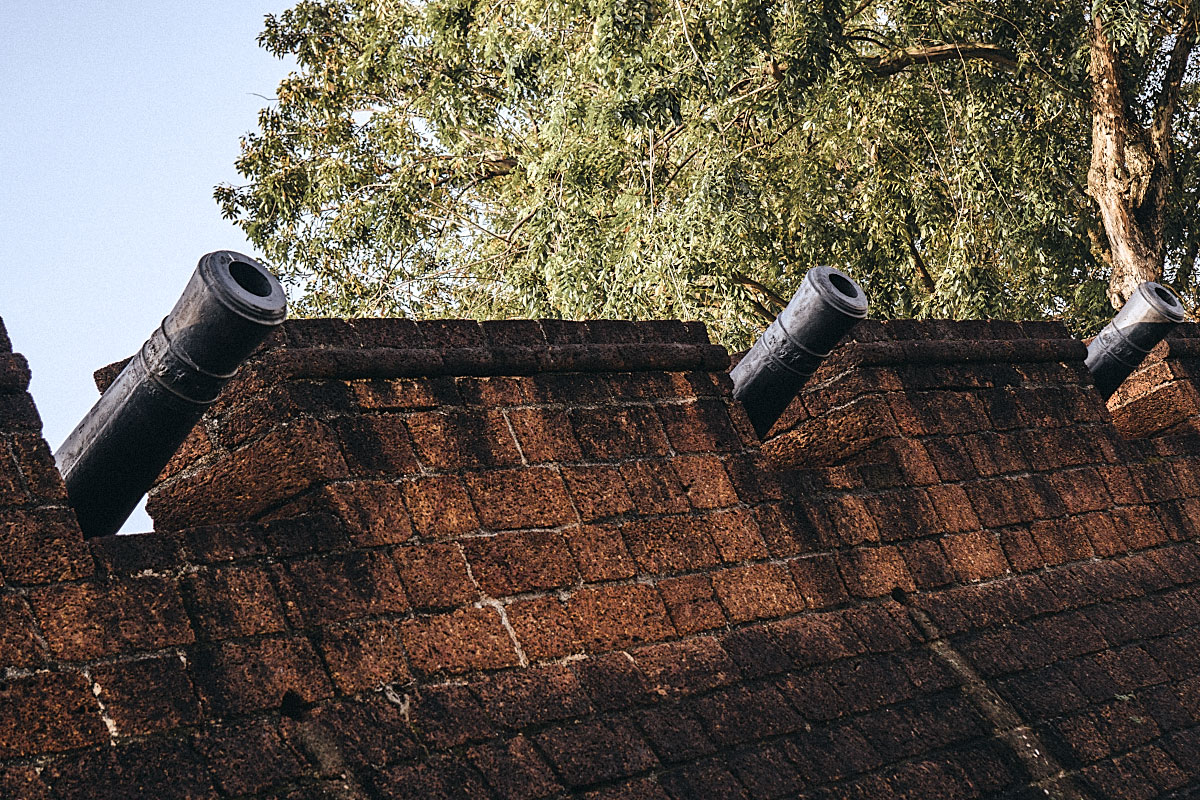
Melaka’s historic center shares a UNESCO World Heritage listing with George Town, inscribed in 2008. The UNESCO description explains how trade and exchanges among Malay, Chinese, Indian and European cultures shaped its architecture and daily life.
What troubled me on our visit was the condition of some older buildings. I saw properties that appeared badly in need of repair while new hotels and accommodations were being built. The contrast left me questioning the balance between welcoming more visitors and caring for the places they had come to see. Those were my observations from that trip, not an assessment of every building or of restoration work completed since.


The Trishaws Were Harder to Enjoy
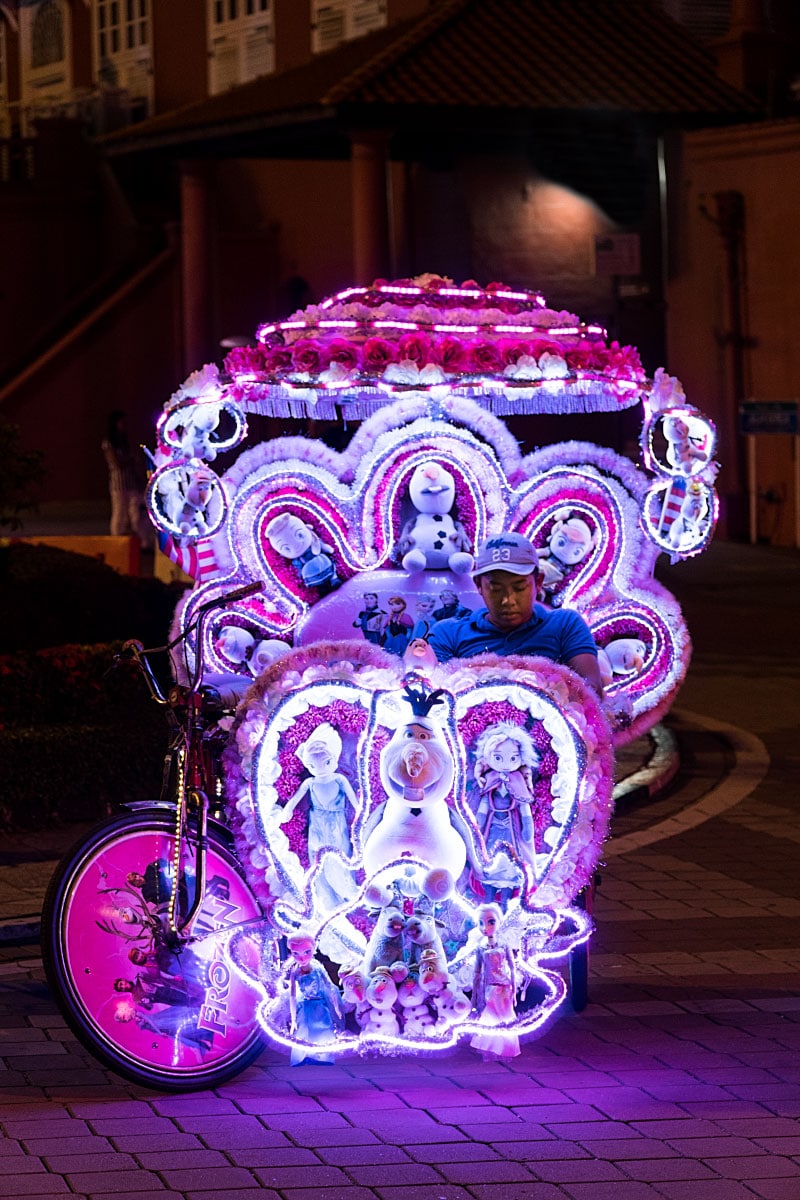
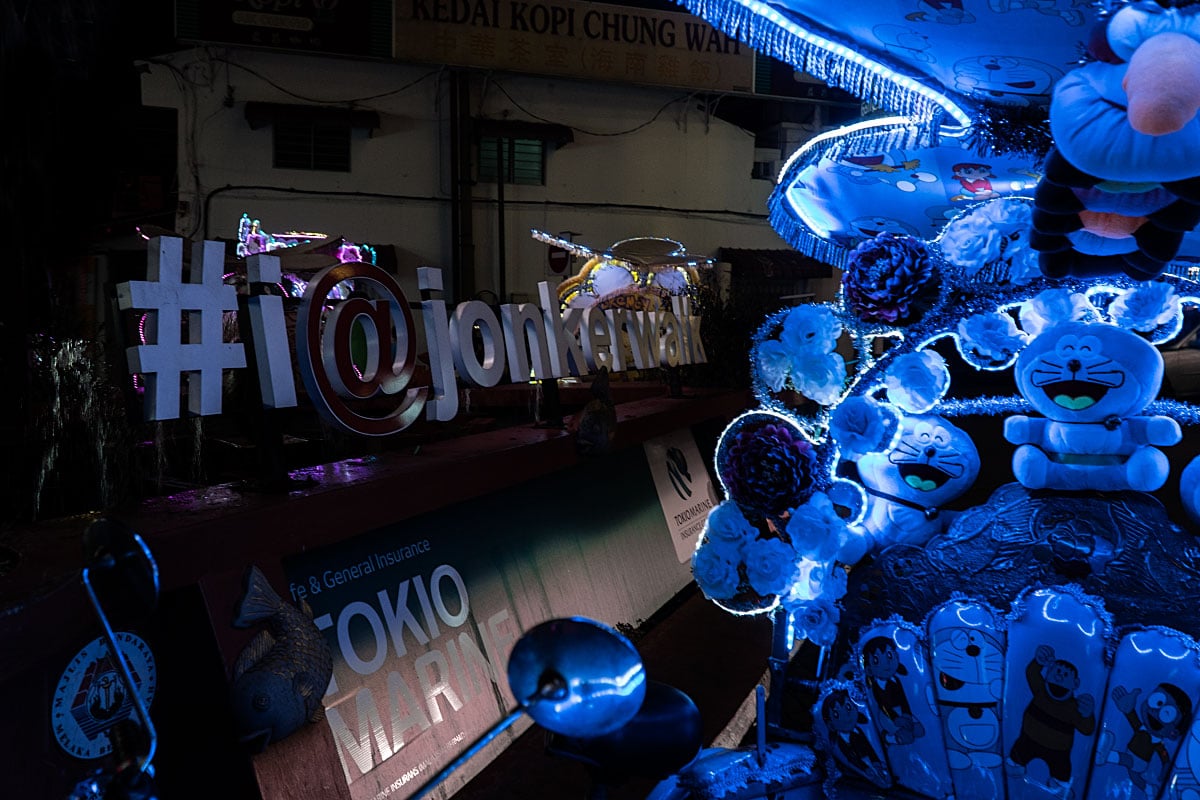
The decorated trishaws were the part of Melaka I found most irritating. Bright LEDs, cartoon characters and loud music made them difficult to ignore, and the competing sound systems often dominated the surroundings. I initially assumed they were mainly for children, then watched adults taking the same rides. Clearly, their idea of a good time differed from mine.

Some drivers also struck me as brusque, and I did not enjoy the way certain trishaws moved through the streets. That does not describe every driver. Older examples without the lights still carried plenty of decoration, a reminder that the colorful styling had a history of its own. These rides provided income for their drivers, and plenty of visitors clearly enjoyed them. I preferred exploring on my own two feet, with less music following me around.
Would I Recommend Melaka?
Yes, for travelers who enjoy food, historic streets and exploring at their own pace. Melaka gave us enough to enjoy between meals, even though I had mixed reactions to its busiest attractions. I would leave room in the plan for eating and looking around, with fewer expectations of quiet at the famous sights. The coconut stops remain a happier memory than the trishaw soundtrack, and the older buildings gave me plenty to think about after we left.

Planning Notes for Melaka
| Detail | Information checked in October 2026 |
|---|---|
| Destination | Melaka, also known as Malacca, Malaysia. |
| UNESCO status | The historic center is part of “Melaka and George Town, Historic Cities of the Straits of Malacca,” inscribed in 2008. |
| Our way of exploring | Walking around the central sights, with a separate outing to Klebang. |
| Photography note | Tour groups were already arriving at 8:00 AM on our trip; this is an observation, not a current bus schedule. |
| Official heritage reference | UNESCO World Heritage Centre |
Melaka FAQ
Are Melaka and Malacca the same place?
Yes. Melaka and Malacca are names used for the same city in Malaysia. We use Melaka in this article.
Is Melaka worth visiting?
We would recommend it for its food, historic streets and opportunities to explore on foot. Our first trip also brought frustrations with crowding and loud trishaws, so we would not describe the main sightseeing areas as a quiet escape.
Can you explore Melaka on foot?
We found the historic center compact enough for walking between the main sights. Our outing to Klebang was separate from those central walks; this does not mean the whole modern city is within easy walking distance.
Is all of Melaka a UNESCO World Heritage Site?
No. The UNESCO designation covers defined historic areas within the joint property “Melaka and George Town, Historic Cities of the Straits of Malacca.” It does not cover the entire modern city. The property was inscribed in 2008.
Sources
Heritage information and first-hand observations
UNESCO World Heritage Centre: Melaka and George Town supports the inscription date, heritage scope and cultural context. Checked October 21, 2026. Opinions about food, crowds, buildings and trishaws come from our first trip, as recorded in the article originally published April 26, 2018.
You Might Also Like

You might also like


