Venice in early 2020 was supposed to be about Carnival and photography. Vivi and I had visited the city several times, though never for its famous celebrations, and I wanted to see what happened when all that theatrical dressing up met the canals. Then the coronavirus outbreak changed our plans. The final Carnival events were canceled, and our thoughts turned to getting home.
Contents

We packed our things at Hotel Papadopoli and left. There was no long discussion about squeezing another day out of the trip. Venice would still be there for another visit; we wanted to get home before travel became more complicated. What stayed with me was the strange contrast between the quieter city we had enjoyed photographing and the uncertainty facing the people who worked there.

Venice in Early 2020: When the Plans Changed
Venice Carnival’s public events ended on February 23, 2020, two days ahead of schedule. The celebrations planned for February 24 and 25 were canceled because of the coronavirus outbreak. On March 11, the World Health Organization characterized COVID-19 as a pandemic. Those dates place our interrupted trip in a particular moment, when an unfolding crisis was making ordinary travel plans increasingly uncertain.
My immediate worry was what a sudden loss of visitors would mean for restaurants, small hotels, and everyone whose work depended on travelers. A canceled holiday is disappointing. For someone running a family business, a season without customers can put years of work at risk. Leaving Venice made that difference harder to overlook.

The Food Traditions Behind the Businesses
Food was one of the first things I thought about. Our travels through Asia had introduced us to Peranakan cuisine and the Nyonya cooking traditions behind it, and I worried about the small businesses keeping those dishes on the table. When a restaurant closes, the loss can reach beyond a place to eat. A family’s recipes, working knowledge, and connection with regular customers may become harder to pass on.

I had similar concerns about street food vendors in Bangkok. A stall that relies heavily on visitors has little protection when those visitors disappear. Moving into a permanent restaurant brings its own commitments, including rent and the cost of maintaining a fixed space. I kept thinking about the women whose food we had enjoyed and hoping they would still be cooking when we returned to Asia.

A Travel Crisis Beyond the Headlines
Whatever people were saying about the headlines, our travel plans had changed and the remaining Carnival celebrations had been canceled. Speculation offered little help with the immediate decisions. We needed to get home, and the people earning a living from tourism needed customers. It was possible to take the outbreak seriously and worry about its economic consequences at the same time.

A Quieter Venice, at a Cost
The quieter Venice gave us room to notice things we had missed on busier visits. I could enjoy that change without wishing a crisis on the city. The kind of tourism I wanted to return was one that gave travelers time to understand a place and left something useful with the people living there. Empty streets alone could never deliver that.

Give a Place More Than a Photograph
I have never enjoyed the approach to travel that turns every stop into another item to tick off: arrive, pose, photograph, leave. Venice rewards more attention than that. Spending time with its churches, streets, and everyday routines gives the photographs some context, and it gives the traveler a chance to remember more than the route between famous sights.

Food is part of that attention. Learning a little about what people cook, choosing independent places that interest you, and paying for the work behind a meal can make a visit more rewarding. I would take a longer stay with room for curiosity over a packed itinerary that leaves no time to understand where I am. We are guests, even when we have paid for a room.

What We Noticed Along the Canals
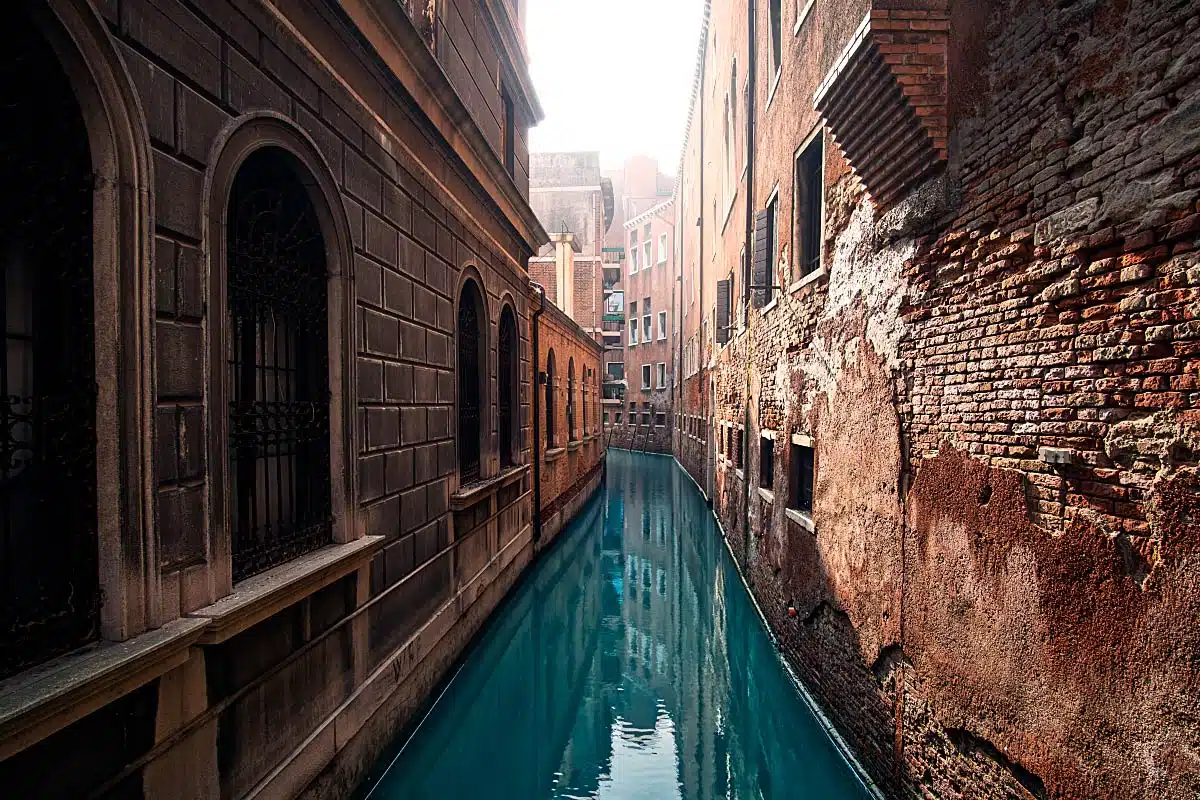
Venice seemed noticeably less crowded than on our previous visits. For the first time, we heard local conversations carrying along the canals and found some of the romance that busy streets had made harder to appreciate. As a photographer, I wanted time to become familiar with the city’s faces and habits. Beneath a bridge, we noticed tiny fish in the water, a detail that held our attention as much as another grand facade. I left wanting a month or two in Venice, with enough time to look properly.

Travel Writing When the Trips Stop
Travel stopping also raised an obvious question for anyone writing about it: what happens when you cannot go anywhere? New trips supply photographs and stories, and an interrupted schedule puts pressure on that work. For us, there were already plenty of photographs waiting to be edited and experiences we had not written about. We had enough unfinished work to keep both of us occupied without giving Vivi an emergency career change into Instagram modeling.

Home, with Plenty Left to Tell
Back home, the plan was to work through that material, edit the photographs, and give the stories the attention they needed. Leaving Venice had interrupted a trip, not our interest in travel. Our Walking Through Venice photo essay follows that same interest in the city’s canals and architecture. What I wanted from a return visit was more time to understand the place, with its people able to get on with their lives and their work.
Sources
Venice Carnival 2020: the final events were canceled
The City of Venice’s Carnival notice confirms that the public program ended on February 23, 2020, and the February 24 and 25 celebrations were canceled.
COVID-19 pandemic characterization: March 11, 2020
The World Health Organization’s March 11, 2020, briefing records its assessment that COVID-19 could be characterized as a pandemic.

You might also like