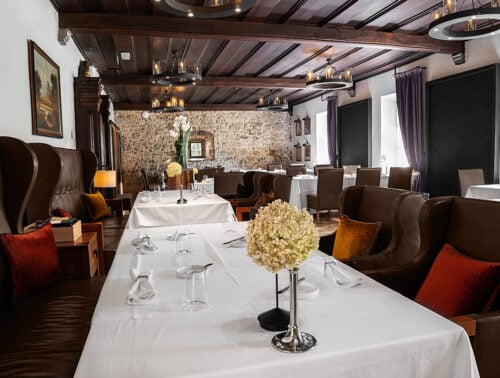
Black Ivory Coffee arrived with the sort of story that makes skepticism almost unavoidable. It is one of the rarest and most expensive coffees in the world, its beans pass through elephants before roasting, and the serving ritual feels closer to a small ceremony than an ordinary coffee break. We tried it at Erawan Tea Room in Bangkok expecting an interesting experience. What surprised us was that the coffee itself was even more memorable than the story.
It remains one of the smoothest and most distinctive coffees we have tasted. There was almost no bitterness, while the flavor changed noticeably as the cup cooled, moving from fruit, earth and leather toward chocolate and caramel. Is it worth its extraordinary price? As an everyday coffee, certainly not. As a rare tasting experience for someone genuinely curious about coffee, we think it can be.
Oh, and if you are in a hurry and came here only to find out whether it is worth the price, here is the short answer: yes, it is.
Contents
How Black Ivory Coffee Is Made
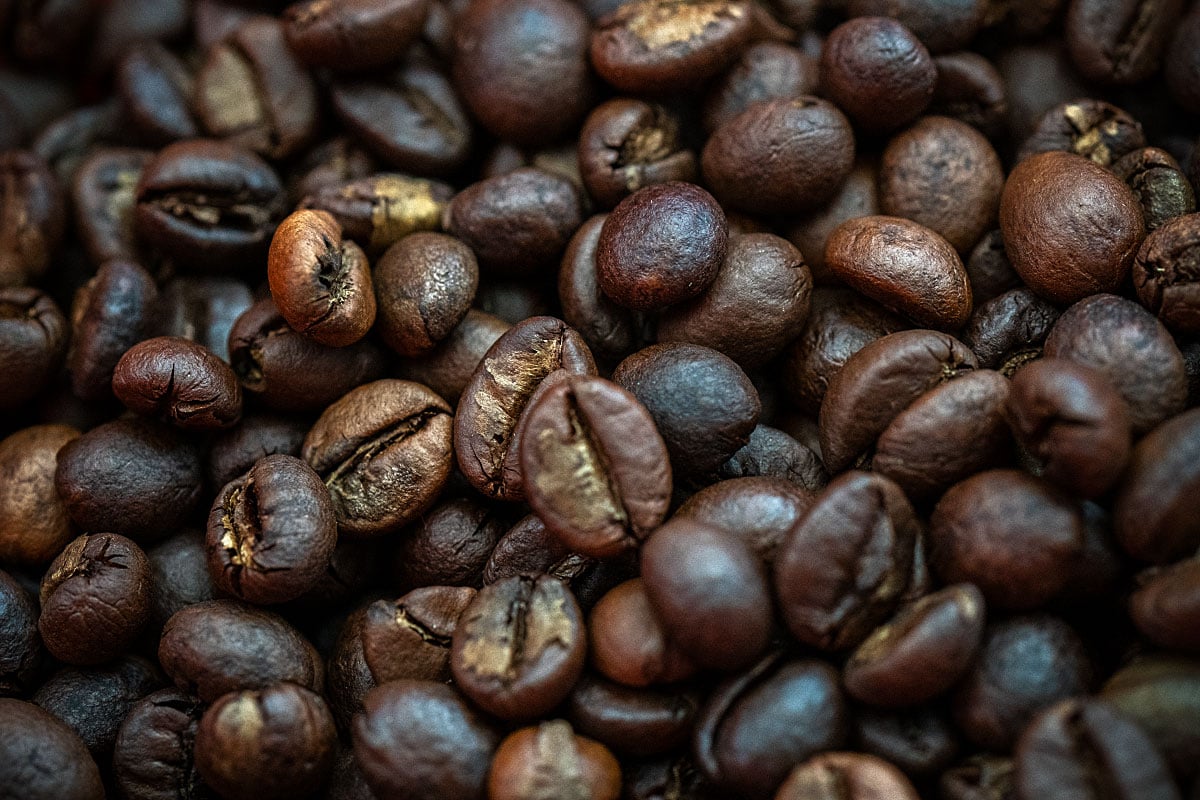
Black Ivory Coffee begins with Thai Arabica coffee cherries grown at high altitude. They are taken to Surin, in northeastern Thailand, where families who care for the elephants mix the cherries with foods their elephants already enjoy, such as rice, bananas and tamarind. The elephants are not force-fed a fixed recipe. According to the producer, the mixture varies with each animal’s preferences.
The cherries remain in the digestive system for roughly 12 to 72 hours. After they pass naturally, caregivers collect the intact cherries. Local high-school students are paid to wash, rake and sun-dry them before the beans are hulled, sorted and roasted to order. Many cherries are chewed, damaged or never recovered, so tens of kilograms of fresh coffee cherries are needed to make one kilogram of finished Black Ivory Coffee. This low yield and labor-intensive process explain part of the price, although rarity is also part of what buyers are paying for..

What About the Elephants?
Any coffee made with the help of an animal deserves more than a romantic origin story. We had previously tasted Vietnamese weasel coffee and were left with serious questions about the treatment of civets. Black Ivory Coffee presents a different model. The company says its work provides income for mahouts, farmers and local students, while 8% of sales are donated to the Golden Triangle Asian Elephant Foundation.
Those claims do not make every ethical question disappear, and we can only describe the program based on the information published by the company and its hotel partners. Still, the involvement of elephant-care families and local communities is more transparent than the anonymous supply chains often associated with mass-market kopi luwak. For us, that distinction mattered, even though the taste of the coffee should still be judged separately from its mission.
The Siphon Brewing Ritual
At Erawan Tea Room, our Black Ivory Coffee was prepared in a siphon brewer. Watching the water rise into the upper chamber and return as brewed coffee gave the service a sense of theater, but the method was not there only for show. Siphon brewing produces a clean cup without using a paper filter, allowing the coffee’s oils, aroma and changing flavors to remain noticeable.
We cannot say how dramatically the same beans would change in a French press or pour-over because we tasted only this preparation. What we can say is that the siphon suited them beautifully. The finished coffee was light brown with reddish-gold tones, more delicate in appearance than the dark and heavy cup its unusual origin might suggest.

What Does Black Ivory Coffee Taste Like?
The first impression was not strength but smoothness. The aroma opened with cherries, earth, leather and a soft buttery note. On the palate, we found fresh grass, gentle acidity and an almost complete absence of bitterness. It was complex and full-bodied, yet the texture remained unusually polished rather than heavy.
The most interesting part came as the coffee cooled. The fruit gradually moved into the background and chocolate became clearer, followed by leather and caramel. Its velvety texture lingered after each sip, and the finish was long without becoming harsh. Black Ivory Coffee did not taste strange, earthy in an unpleasant way or like a novelty designed only to provoke a reaction. It tasted like a very good coffee with a particularly gentle character.
Was it objectively several times better than an excellent specialty coffee? No coffee could comfortably carry that claim. What made this cup memorable was the combination of flavor, rarity and preparation. Even without knowing the story, however, we would have recognized its exceptional smoothness.

You Might Also Like
How Much Does Black Ivory Coffee Cost?
Black Ivory Coffee has become considerably more expensive since our visit. In August 2026, the producer’s online store listed a 40g box for US$170, a half-pound package for US$900 and a one-kilogram collector’s box for US$3,500. At a 12g brewing dose, the smallest box works out to roughly US$51 in beans per serving. Prices charged by hotels may differ and availability is limited.
| Package | Listed price in August 2026 |
|---|---|
| The Treasure, 40g | US$170 |
| The Companion, 1/2 lb | US$900 |
| The Collector, 1kg | US$3,500 |
For current availability, check the official Black Ivory Coffee store. These are current retail listings rather than the price we paid or the price charged at Erawan Tea Room in 2018.

Elephant Coffee or Weasel Coffee: Which Would We Choose?
Having tasted both elephant coffee and Vietnamese weasel coffee, we found the two experiences remarkably different. The contrast went far beyond flavor, especially once we considered how the animals were treated.
| Our Experience | Black Ivory Coffee | Kopi Luwak |
|---|---|---|
| What happens to the animals? | The elephants are cared for by local families, and according to the producer, their food mixture follows their individual preferences. The project also supports mahouts, farmers, students and elephant-related community work. | At the plantation we visited in Da Lat, the civets were kept in small cages. Seeing them there changed the mood of the entire experience before the coffee even reached our table. |
| What did it taste like? | Remarkably smooth, complex and almost completely free from bitterness. Cherry, earth and leather gradually gave way to chocolate and caramel as the coffee cooled. | Pleasantly smooth, with caramel, blueberry and fruity acidity. However, the difference between the weasel coffee and the regular coffee was not as striking as we had expected. |
| What stayed with us? | The flavor, the siphon ritual and the feeling that we were tasting something genuinely exceptional. Nearly eight years later, it remains the best coffee we have ever had. | Unfortunately, the strongest memory was not the coffee but the civets living in cages. |
| Would we choose it again? | Absolutely. As a rare tasting experience, Black Ivory Coffee was worth it. | Not from a producer keeping civets in the conditions we witnessed. |
Is Black Ivory Coffee Worth It?
If value means getting the most coffee for your money, the answer is clearly no. The price is driven by scarcity, labor, the elephant-assisted process and the status of drinking something very few people will ever try. Plenty of excellent specialty coffees offer more sensible value.
If value also includes memory, ritual and the opportunity to support a project connected with elephants and the communities caring for them, then our answer is a definite yes. We would never buy Black Ivory Coffee as our regular morning coffee, but this was far more than an ordinary cup. It was a chance to taste something genuinely exceptional, and nearly eight years later, it remains the best coffee we have ever had. The siphon service at Erawan Tea Room gave it the setting it deserved. As a rare, once-in-a-lifetime experience, it was absolutely worth it.
Pros
- Exceptionally smooth, with almost no bitterness
- Complex flavor that changed as the coffee cooled
- A memorable siphon-brewing ritual
- A more transparent community story than many animal-processed coffees
Cons
- Pricey
- Difficult to find outside a small number of luxury hotels and restaurants
Our Black Ivory Coffee Ratings
These ratings reflect the coffee and siphon preparation we experienced at Erawan Tea Room in November 2018. The value score relates to that tasting rather than the current online retail price.
- AROMA – 9.4/109.5/10
- BODY – 9.7/109.7/10
- FLAVOR – 9.8/109.8/10
- FINISH – 9.3/109.3/10
- VALUE – 9/109/10
Black Ivory Coffee FAQ
What is Black Ivory Coffee made from?
Black Ivory Coffee is made from Thai Arabica coffee cherries that are eaten and naturally passed by elephants. The recovered cherries are washed, sun-dried, hulled, sorted and roasted before the coffee is sold.
Does Black Ivory Coffee contain elephant dung?
The coffee cherries are recovered from elephant dung, but the beans go through several processing stages afterward. They are thoroughly washed, dried, hulled, sorted and roasted. The brewed drink does not contain dung.
What does Black Ivory Coffee taste like?
Our cup was remarkably smooth and almost entirely free from bitterness. We tasted cherry, earth, leather and fresh grass while it was hot, followed by clearer chocolate and caramel notes as it cooled. Taste varies with harvest and brewing method.
How much does Black Ivory Coffee cost?
In August 2026, the official online store listed 40g for US$170, half a pound for US$900 and one kilogram for US$3,500. Hotel prices and availability vary, so check current information before planning a tasting.
Is Black Ivory Coffee the same as kopi luwak?
No. Both are animal-processed coffees, but Black Ivory Coffee uses elephants in Thailand, while kopi luwak is produced with Asian palm civets. Their production methods, flavor profiles and animal-welfare concerns are not identical.
Where can you try Black Ivory Coffee?
Black Ivory Coffee is served at a limited number of luxury hotels and restaurants. Anantara Golden Triangle in northern Thailand continues to advertise a tableside Black Ivory Coffee experience. We tasted it at Erawan Tea Room in Bangkok in 2018, but availability at individual hotels can change.
Is Black Ivory Coffee worth the money?
For us, yes. Black Ivory Coffee is far too expensive for everyday drinking, but nearly eight years after tasting it, we still consider it the best coffee we have ever had. Its exceptional flavor, rarity, siphon preparation and connection with elephant-care communities made it a genuinely memorable experience that was worth the price.

You might also like