This Bo.lan Bangkok review is based on our own lunch experience, first published in April 2019. Bo.lan closed in 2021 and later reopened at its Sukhumvit 53 address. The restaurant’s present menus, prices and opening hours differ from those during our visit, so we checked the practical information again in September 2026. The dishes and ratings below describe the meal we personally experienced.
This Bo.lan Bangkok review follows the lunch we ate at one of the city’s most influential sustainable Thai restaurants. After memorable meals at Saneh Jaan and Erawan Tea Room, we wanted to explore another side of refined Thai cooking. Bo.lan promised traditional flavors, ingredients sourced from small producers and an unusually serious approach to sustainability. Our meal revealed bold curries, fragrant salads and a restaurant with strong principles, although the hospitality never quite matched the warmth of its house-like setting.
Is Bo.lan Bangkok worth booking?
What We Loved
- Deeply flavored Thai cooking grounded in traditional techniques
- A serious commitment to local producers and responsible sourcing
- Generous shared dishes with excellent organic rice
- A characterful house and garden in central Bangkok
What Could Be Better
- Service during our visit lacked the warmth suggested by the setting
- Several dishes brought considerable chili heat
- Our dessert was simpler than the savory courses
Best for: diners who enjoy assertive Thai flavors, regional ingredients and restaurants with a serious commitment to sustainability.
Contents
- Inside Bo.lan Bangkok
- A Restaurant Built Around Thai Food and Sustainability
- The Bo.lan Menu and Drinks
- Our Lunch at Bo.lan Bangkok
- A Thai Shaved-Ice Dessert
- Service and Atmosphere
- Is Bo.lan Bangkok Worth It?
- Bo.lan Bangkok Review Card
- Price, Location and Practical Details
- Frequently Asked Questions About Bo.lan Bangkok

Inside Bo.lan Bangkok
Approaching Bo.lan was more like arriving at a private home than entering a Bangkok fine-dining restaurant. A pool, a small henhouse and even a beehive gave the garden an almost rural character. The first impression was charming and disarming, particularly in a city where prestigious restaurants so often announce themselves with marble lobbies and formal entrances.

Inside, dark wood, stained glass, food photography and sculptural decorations celebrated Thai craft without turning the room into a theme set. Flowers appeared on the walls while the tables remained uncluttered, ready for the many bowls and plates that would follow. The building had personality, although some decorative choices appeared less consistent with the restaurant’s environmental message.


A Restaurant Built Around Thai Food and Sustainability
Bo.lan was founded by chefs Duangporn “Bo” Songvisava and Dylan Jones on the conviction that outstanding Thai restaurants should be found in Thailand. The name combines Bo’s nickname with the final part of Dylan’s name and also echoes the Thai word for ancient or vintage. Their cooking looks to regional recipes, traditional preparation and produce with a clear origin.

Sustainability here reaches well beyond a fashionable mention of local ingredients. Bo.lan developed relationships with small-scale farmers and artisans, sought organic and biodiverse produce, filtered its own water to avoid bottled water and worked towards reducing the restaurant’s carbon footprint. This approach supports both environmental goals and the preservation of ingredients and methods that could otherwise disappear from everyday Thai cooking.

The Bo.lan Menu and Drinks
The menu changes with the seasons and the ingredients available from Bo.lan’s producers. During our visit, we selected the four-course lunch tasting menu, which unfolded as a sequence of opening bites followed by a generous shared spread, rice and dessert. Thai chillies were used confidently, so guests sensitive to heat should discuss this when booking instead of expecting every dish to be adjusted at the table.

At the time, all the principal dishes on our menu contained animal protein, which limited the variety for diners looking for a plant-led experience. That has since changed: Bo.lan’s current listings include separate botanical lunch and dinner menus. Allergies and dietary requirements still need to be communicated in advance because nuts, shellfish and other ingredients may appear throughout the meal.
Wine and Non-Alcoholic Drinks
The wine list held an appealing surprise: Thai wine alongside biodynamic and organic bottles from abroad. Bo.lan also offered thoughtful non-alcoholic choices. We ordered a herbal drink made with lemongrass and pandan. The pandan led with a gentle perfume, while a measured amount of lemongrass kept it fresh and clean.

Our Lunch at Bo.lan Bangkok


Lunch began with an amuse-bouche of minced pork, mint and shallots. It immediately established the kitchen’s style: assertive seasoning, abundant herbs and flavors designed to wake the palate. Nothing about it was timid, yet the individual ingredients remained easy to recognize.

The main part of the menu arrived in the Thai manner, with several dishes placed on the table together. Ian and I could move freely between salads, soups, curries and stir-fries, adding rice as needed. This was more engaging than a rigid progression of individual courses and made the contrasts between chili, herbs, coconut, fermented flavors and acidity especially clear.


Organic Rice at the Center of the Meal
We received a free flow of organic white jasmine rice and GABA brown rice. The latter is germinated brown rice, with a nutty flavor and firmer texture. Both were properly cooked and essential to the meal. The rice softened the salinity of the salads, absorbed the curries and offered relief whenever the chili became particularly insistent.

Thai Salads: Pork, Pomelo and Fish
The first salad combined tender grilled pork neck with pomelo, santol, lemongrass, kaffir lime leaves and mint. Each ingredient contributed something specific, from the pomelo’s juicy bitterness to the brightness of the herbs. A sweet chili-jam dressing drew everything together without obscuring the pork.

A second salad placed fish among generous mint leaves and aromatic herbs. Its honeyed aroma suggested sweetness, yet the dominant impression was savory and quite salty. The sprouted brown rice brought it into focus and made the seasoning far more harmonious.

Coconut and Boat-Noodle-Style Soups
The coconut soup with chicken and young galangal was one of the most immediately comforting dishes. Fresh galangal brought piney, herbal notes and mild heat before the coconut rounded the edges. The result was creamy but never heavy.

The boat-noodle-style soup went in a darker direction, led by cinnamon, coriander and a dense savory base traditionally thickened with blood. Its use reflected the kitchen’s respect for the whole animal and the depth of established Thai cooking. The spices integrated the ingredient so thoroughly that the finished soup came across as rich and complex, never confronting.

Southern Thai Curries Made from Scratch
Bo.lan’s kitchen prepared its curry pastes from scratch, and the difference was evident in their aromatic density. A southern-style chicken curry carried the vivid color of fresh turmeric, followed by shrimp paste, black pepper and serious chili heat. Once I removed the green chillies, I could better appreciate the tender chicken and pickled bamboo beneath the fire.

The pork curry with crunchy morning glory had a pronounced citrus character and dried fish for additional depth. That marine note was the one element I did not particularly enjoy, though it worked logically with the pork ribs and showed the uncompromising nature of the kitchen’s seasoning.

Stir-Fried Pork, Sator Beans and Prawn
My favorite savory dish was stir-fried pork with Andaman shrimp paste and sator beans. Also known as stink beans, sator has an unmistakable aroma and a slight bitterness. Ian tried one and generously left the rest to me. Their firm bite worked beautifully with the pork, paprika, kaffir lime leaves and thick, umami-rich gravy.

The final savory plate paired a tender stir-fried prawn with crunchy Thai samphire. Prawn stock reinforced the shellfish sweetness, while the naturally salty coastal vegetable added crispness. It was a direct, ingredient-led dish and a well-judged conclusion to the shared spread.

A Thai Shaved-Ice Dessert
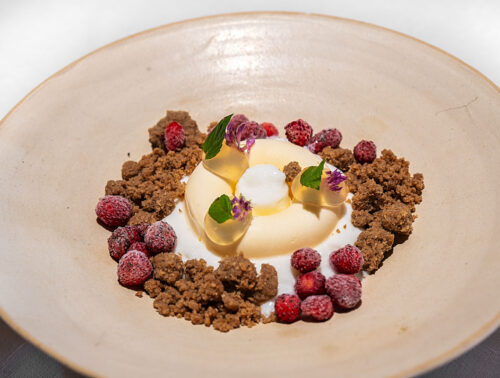
Dessert was shaved ice with natural jasmine syrup, sour green mango, ginger, rambutan and santol. I usually find this style of dessert too dependent on artificial syrups, but Bo.lan’s version was cleaner and more aromatic. A pinch of salt sharpened the fruit and echoed the sweet-savory interplay of the meal. Even so, it was a modest finale after the complexity of the curries and salads.

Service and Atmosphere
The team served a complicated menu efficiently and explained how the dishes should be eaten with rice. Technically, little went wrong. The weakness was emotional: the welcome seemed reserved and the room never developed the easy hospitality we had encountered at Saneh Jaan, Erawan Tea Room or Le Normandie.

That mattered because the house, garden and family-style serving format naturally suggested personal warmth. We came for the food and found much to admire, but fine dining is also shaped by how a guest is received. A little more conversation and presence would have connected the hospitality with the thoughtful cooking.

Is Bo.lan Bangkok Worth It?
Bo.lan gave us a memorable lesson in the depth of traditional Thai cooking. The best dishes drew their power from ingredients and technique: curry pastes pounded from scratch, carefully sourced rice, vivid herbs, fermented seafood and regional produce. Its environmental work also had substance, supporting farmers and artisans while reducing waste and dependence on disposable products.


Our principal reservation was the restrained hospitality, followed by a dessert that could not equal the savory menu. Neither erased the quality of the meal. For diners eager to explore bold Thai flavors and a restaurant philosophy built on cultural and environmental responsibility, Bo.lan remains a compelling Bangkok reservation. Just arrive ready for chili, fermented flavors and a dining experience that speaks most confidently through the food.

Bo.lan Bangkok Review Card
- ATMOSPHERE – 8.4/108.4/10
- SERVICE – 8.9/108.9/10
- PRESENTATION – 8.9/108.9/10
- FOOD – 9.3/109.3/10
- DRINKS – 9.3/109.3/10
- VALUE – 9.5/109.5/10
Price, Location and Practical Details
| Detail | Information checked in September 2026 |
|---|---|
| Restaurant | Bo.lan |
| Address | 24 Soi Sukhumvit 53, Khlong Tan Nuea, Watthana, Bangkok 10110, Thailand |
| Area | Thong Lo |
| Experience reviewed | Lunch tasting menu in 2019 |
| Price during our visit | Approximately USD 40 per person |
| Cuisine | Traditional Thai |
| Reservations | Recommended |
| Website | Official Bo.lan website |
| Phone | +66 2 260 2962 |
You Might Also Like
Frequently Asked Questions About Bo.lan Bangkok
Is Bo.lan Bangkok still open?
Yes. Bo.lan closed in 2021 but later reopened and is operating again at 24 Soi Sukhumvit 53 in Bangkok. Its official website currently lists lunch from Friday to Sunday and dinner from Thursday to Monday.
How much does Bo.lan Bangkok cost?
As checked in September 2026, the restaurant lists lunch at THB 2,880++ per person. Listed dinner set menus begin at THB 4,600++ per person. The 10% service charge and 7% tax are added to prices marked “++”. Menus and prices can change.
What type of food does Bo.lan serve?
Bo.lan serves traditional Thai cuisine through seasonal set menus. The kitchen works with regional recipes, house-made curry pastes, organic rice and ingredients sourced from small farmers, fishers and artisan producers across Thailand.
Does Bo.lan have vegetarian or plant-based menus?
The current menu listings include Bo.lan Botanical lunch and dinner options. Guests should still mention vegetarian preferences, allergies and other dietary requirements when reserving so the restaurant can confirm what it can accommodate.
Is the food at Bo.lan spicy?
Some dishes can be very spicy because Bo.lan cooks with traditional Thai flavor profiles and uses chili confidently. If you are sensitive to heat, explain this before your visit, though not every element of a set menu may be suitable for substantial adjustment.
Do you need a reservation for Bo.lan Bangkok?
Advance reservations are strongly recommended, especially for weekend lunch and dinner. Book through the official Bo.lan website or contact the restaurant by phone.
Where is Bo.lan located?
Bo.lan is at 24 Soi Sukhumvit 53, Khlong Tan Nuea, Watthana, Bangkok 10110, in the Thong Lo area.