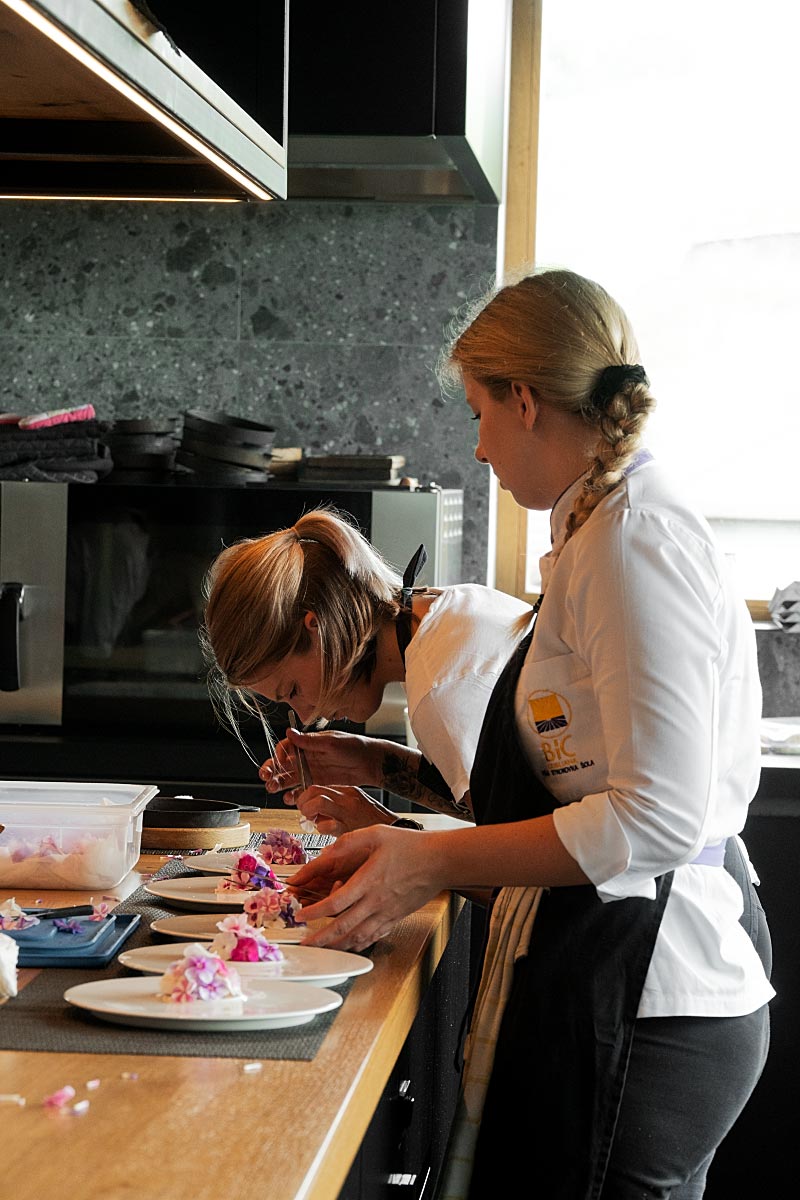


Fine dining can be extraordinarily accommodating, though every kitchen has its limits. A tasting menu is a chain of preparations that may begin days before service: stocks, ferments, pastry, sauces and garnishes often share ingredients that never appear in the menu’s poetic description. Replacing one element at the table can therefore affect several courses as well as the plate in question.
Tell a fine-dining restaurant about allergies or dietary restrictions when you book, then reconfirm before the cancellation deadline. State the ingredient, the severity, cross-contact risk and whether it is an allergy, medical restriction, religious practice, ethical choice or preference. Never assume a tasting menu can be redesigned at the table.
The respectful solution is early, precise communication. It keeps the guest safe and lets the kitchen design something coherent, and it spares everyone the awkward ritual of interrogating every plate while it cools.
Contents
Allergy, restriction or dislike?
Use the correct word. A life-threatening shellfish allergy and a reluctance to eat oysters call for entirely different responses, and celiac disease and a low-carbohydrate diet need different kitchen precautions. Kitchens need to understand cross-contact risk, and chefs need honest information to decide what they can safely promise. Every note to the restaurant should state:
- the exact ingredient or group of ingredients;
- whether traces or shared equipment are a concern;
- the type and severity of reaction;
- which guest is affected;
- whether the restriction applies to every course and pairing.

A message that helps the restaurant
Subject: Dietary restriction for reservation [name / date / confirmation]
Hello, we are looking forward to dining with you on [date] under the name [name]. One guest has a medically diagnosed allergy to [ingredient]. [Please note the cross-contact precautions we need, including shared fryers or equipment where relevant.] Could you please explain whether and how your kitchen can accommodate this allergy, including cross-contact precautions? We understand if the kitchen cannot accommodate this restriction and would appreciate knowing before the cancellation deadline. Thank you.
For vegetarian, vegan, religious or other non-allergy restrictions, keep the same clarity. Do not send a list of foods you simply dislike and label it an allergy. If there are several exclusions, ask whether the restaurant recommends a different menu or date.

When to tell the restaurant
At booking is best. If a restriction changes later, contact the restaurant immediately and before the cancellation deadline. Ask for the restaurant’s exact deadline. Some kitchens need substantial notice and some cannot adapt a signature menu at all; there is no universal 48-hour or 72-hour guarantee.
Reconfirm when the restaurant sends its pre-arrival message, and in any case before the cancellation deadline. On arrival, answer the server’s allergy question consistently. Being asked again does not mean the note was lost; each repeat checks one more link in the safety chain.

What a restaurant can reasonably refuse
A restaurant may say no when it cannot control cross-contact, when the menu depends fundamentally on the excluded ingredient, or when too many restrictions would leave an experience it cannot stand behind. A refusal is disappointing, though it is far safer than false reassurance.
Do not pressure staff with the price of the meal or the restaurant’s reputation. Michelin recognition offers no medical guarantee. If the risk is serious, ask direct questions about shared fryers, grills, pastry stations and sauces, then decide whether the answer is sufficient for you.
Our Restaurant Grič review explores a cuisine built closely around season and place. In such kitchens, substitutions are not always interchangeable. A substitution can become a wonderful creative challenge, provided the chef has time.

At the table
If the reservation note is not mentioned, raise it before the first course arrives. When a dish arrives, listen to the explanation and ask if anything is unclear. If you suspect the wrong plate has been served, stop eating and speak up immediately.

Companions can help by avoiding casual swaps of plates, cutlery or shared sauces. They should not answer for the affected guest unless invited. The aim is a clear, brief exchange, so the evening stays a dinner and does not become a medical conference.

Ask about the whole meal, including the drinks
An allergy conversation should cover snacks, bread, butter, petits fours and pairings as well as the printed courses. A non-alcoholic drink may contain a nut syrup or a dairy component; a sauce can include an ingredient that is absent from the dish’s title. “No visible nuts” and “a nut allergy” are two very different instructions.
FARE’s dining-out guidance and the American Academy of Allergy, Asthma & Immunology both emphasize clear communication with restaurant staff, and both recommend handing over a written “chef card”; the AAAAI adds that it can be translated when you travel abroad. The card backs up the conversation, and only the kitchen can confirm whether it can meet your needs.
A quick yes tells me little about a restaurant’s care. A thoughtful response may include questions, limitations or even a recommendation not to book, and that can reassure far more than a generic promise that the chef will sort everything out that evening.
What this guide cannot promise
This guide covers restaurant communication and gives no individual medical advice. Follow your clinician’s emergency plan and keep prescribed emergency medication accessible. If symptoms suggest a serious allergic reaction, seek emergency help immediately; do not wait for the restaurant to investigate a plate.
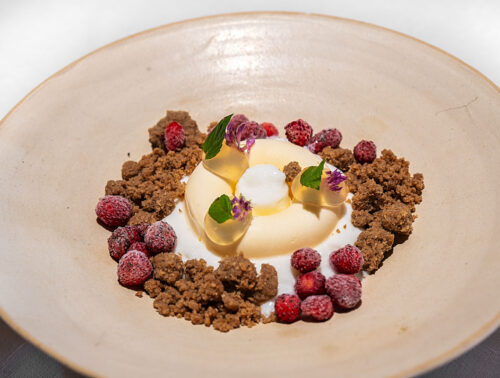
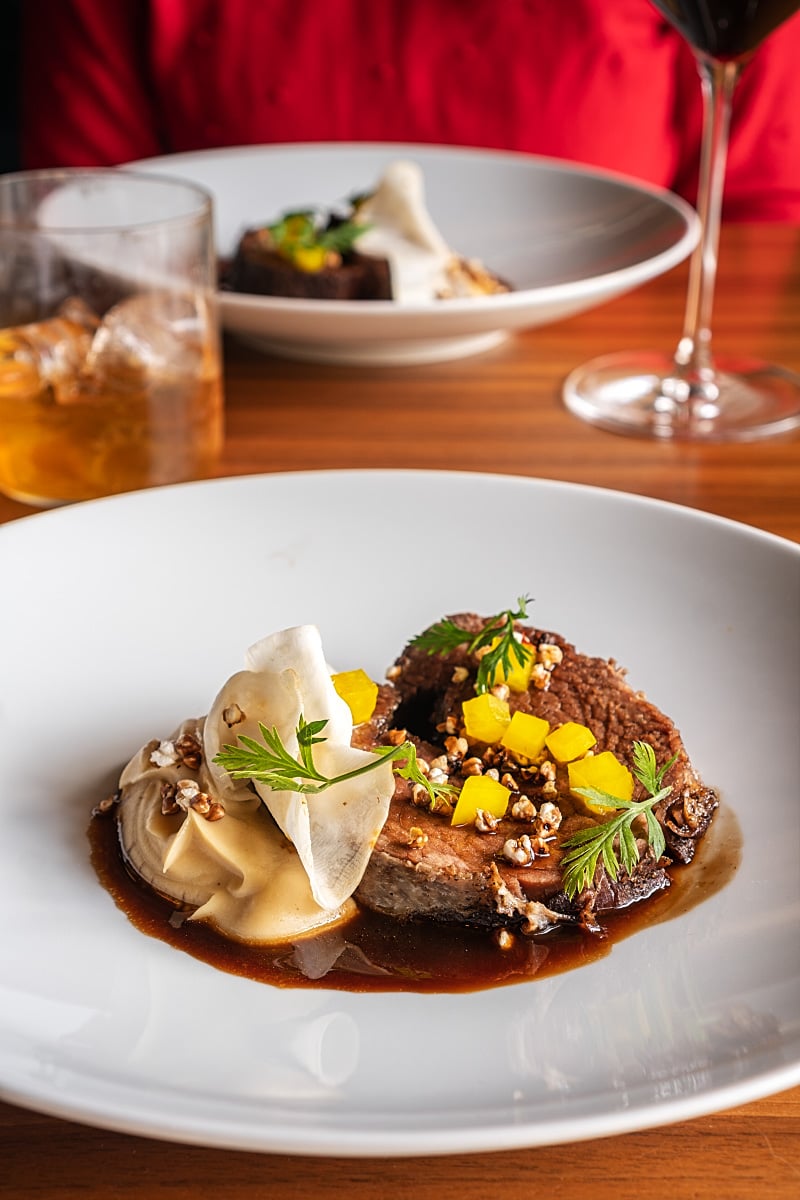
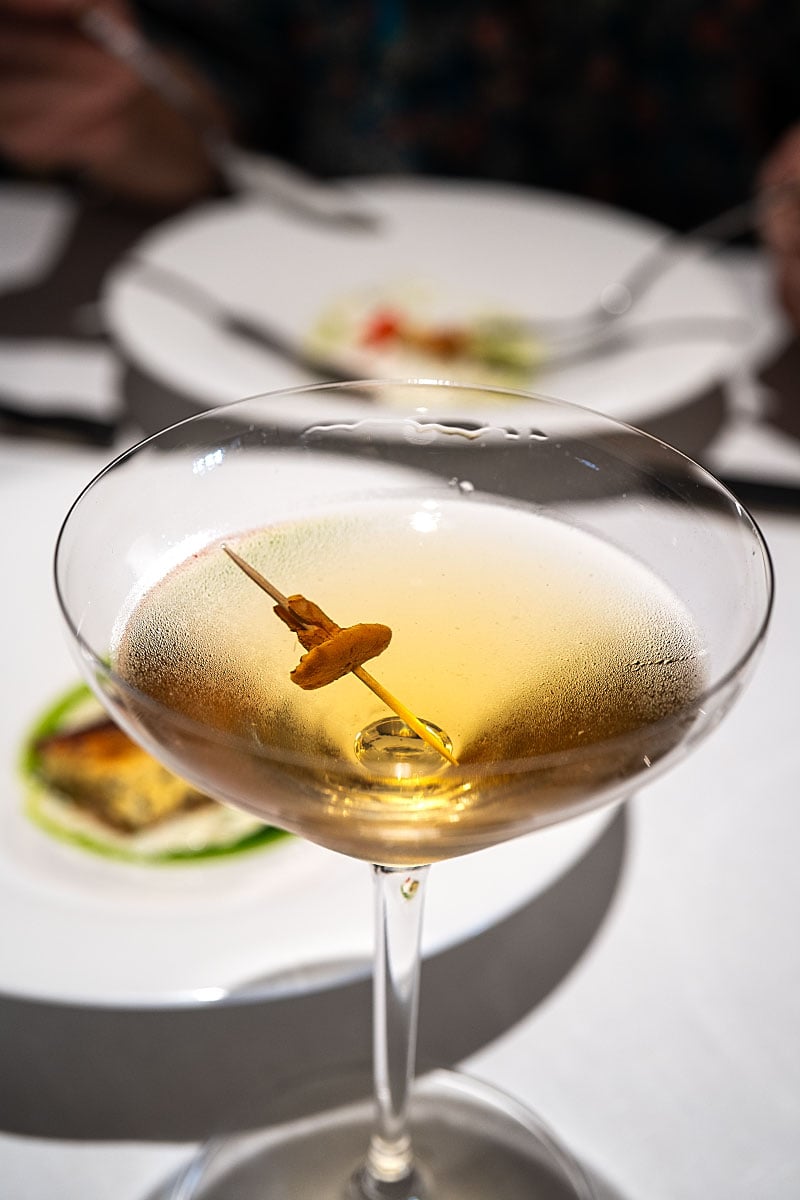
None of these proves a dish suitable: a companion’s confidence, a high menu price, a reassuring-looking kitchen. A photograph in this article does not show an allergen-free meal either. The relevant assurance must come from the actual restaurant, for the actual ingredients and preparation used during your visit.
To see how much tasting-menu styles differ, compare our Atelje review with our Bo.lan Bangkok review. They describe past visits and confirm nothing about whether either kitchen can accommodate a current restriction.
The graceful rule
Give the restaurant early, exact and honest information, and expect the same in return. Surprises and vague answers spoil fine dining far more often than a dietary restriction does. Good hospitality means saying plainly what the kitchen can do and where its limits lie.

Frequently Asked Questions
Can Michelin-starred restaurants accommodate allergies?
Many can, given advance notice, but it depends on the menu, the kitchen and the risk of cross-contact. A Michelin star is no guarantee in either direction, so get the restaurant’s explicit confirmation before you go.
How far in advance should I notify the restaurant?
At booking, then reconfirm when the restaurant sends its pre-arrival message and in any case before the cancellation deadline. Ask for the restaurant’s exact notice requirement, because there is no universal 48-hour or 72-hour rule.
Should I call a food dislike an allergy?
No. Kitchens apply stricter safety procedures to allergies, and an overstated dislike takes time and attention away from guests whose risk is real.
Can a tasting menu be made vegetarian or vegan?
Often, but not always. If the restaurant takes a non-refundable deposit, ask about vegetarian or vegan options before paying it.
What if the restaurant says it cannot safely accommodate me?
Thank the restaurant for its honesty and choose another place. A clear no usually means the kitchen takes the risk seriously.

You might also like