Bangkok gives afternoon tea lovers an unusually broad choice, from British classics to menus shaped by Thai ingredients and culinary traditions. For our St. Regis Bangkok afternoon tea review, we chose the Thai version served during our visit, hoping for something more rooted in the city than another tower of familiar finger sandwiches. What arrived mixed coconut scones and TWG tea with savory Thai bites, colorful sweets and several flavors we had never encountered at afternoon tea before.
We had previously enjoyed a Thai interpretation at the Authors’ Lounge at Mandarin Oriental Bangkok, so the comparison was unavoidable. The St. Regis took a different route: polished and contemporary in presentation, playful in places, and strongest when the menu allowed traditional Thai sweets to speak for themselves.
Is St. Regis Bangkok afternoon tea worth booking?
What We Loved
- A Thai menu with far more character than a conventional afternoon tea
- Excellent coconut scones with memorable passion fruit jam
- A strong TWG selection, including the St. Regis Exclusive Blend
- Wide city and Royal Bangkok Sports Club views from the lounge
What Could Be Better
- Some lounge tables were too small for the full tea service
- The insulated TWG teapot covers were more practical than elegant
- The preserves served did not match those listed on our menu
Best for: Travelers who want a luxury Bangkok afternoon tea with Thai flavors and a less predictable selection of sweets and savories.
Contents

The Drawing Room and Its Bangkok View
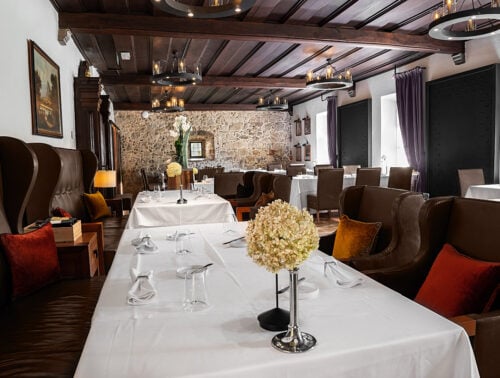
The setting is one of the clearest reasons to choose afternoon tea at The St. Regis Bangkok. Contemporary furnishings are balanced with Thai decorative details, while the tall ceiling and glass walls give the room a generous sense of space. Bright and dark tones alternate throughout the lounge, and the armchairs make it easy to settle in for a long tea service.

Beyond the windows, the green expanse of the Royal Bangkok Sports Club provides welcome relief from the surrounding towers. Live jazz accompanied our visit, adding atmosphere without making conversation difficult. The only practical weakness was the size of several tables, which looked elegant until the teapots, plates and tiered stand all needed somewhere to land.

Tea and Other Drinks
The drinks menu extended well beyond a basic pot of tea. During our visit, it included TWG teas, tea- and coffee-based mixed drinks, and lighter options for anyone who wanted a break from the sweeter parts of the set. We stayed with tea, which proved the right decision given the number of unfamiliar dishes ahead of us.

TWG St. Regis Exclusive Blend
Our first choice was the St. Regis Exclusive Blend. The blend had once been connected with a limited-edition teacup pendant designed by Wan Bao Bao, made in rose gold with diamonds, a ruby and the St. Regis monogram. The jewelry belonged to the story around the tea, not to our table, though it certainly set ambitious expectations.
In the cup, rose and jasmine appeared first, followed by malt, nuts and a softer chocolate note. Wild thyme added a savory edge that kept the floral sweetness under control. It was layered without becoming perfumed, and it worked particularly well with the coconut-based sweets.

TWG Chocolate Tea
For our second pot, we continued what had somehow become our Bangkok chocolate tour. Black tea, dark chocolate and cocoa beans created a convincing chocolate aroma without turning the drink into dessert. Its deeper character made a useful counterpoint to the sweeter Thai pastries.

Coconut Scones and Tropical Preserves
The scones gave the British ritual a convincing tropical turn. Coconut replaced the usual raisins, bringing a mild sweetness and a slightly different texture while leaving enough room for the cream and preserves. They were among the most successful parts of the set.
Passion fruit jam was the favorite, bright and tart enough to cut through the cream. Papaya jam followed with a rounder sweetness. Both were very good, though neither matched the pineapple, ginger, tangerine and lime preserves listed on our menu. We would happily have eaten the passion fruit version again; we simply wanted the menu and the table to agree.

Thai Savories
The savory tier carried the clearest Thai identity. Sweet, sour, spicy and nutty flavors appeared in small portions that were easy to taste in sequence, from chewy tapioca dumplings to a crisp curry puff. This was more interesting than a conventional sandwich course and gave the experience much of its personality.

Tapioca Balls
The tapioca balls were defined by their soft, springy shell. Chewing gradually released the sweet pork filling and peanuts, giving a mild-looking bite considerably more depth than expected.

Flower-Shaped Steamed Dumplings
The rose-shaped steamed dumpling showed the kitchen’s attention to detail. Fried garlic supplied the first crisp note, followed by the chewy wrapper and a smoked fish filling with peanuts. Appearance mattered here, though the textures were equally well considered.
Salmon Spring Roll
Tender salmon and crisp carrot sat inside a thick rice-paper wrapper, with herbs, lime and a manageable green chili sauce providing freshness. It was a clean, lively bite between the richer pork and curry flavors.

Betel Leaf Wrap
The betel leaf enclosed roasted coconut, peanuts and a small piece of lime, held together by a syrupy sauce. The leaf’s texture, the roasted ingredients and the sudden citrus note made this one of the liveliest savories. We could easily have eaten several more.
Tuna Salad in a Crispy Cup
The golden cup resembled a pie tee shell, filled here with soft tuna and a sweet-and-sour dressing. A restrained chili heat arrived at the end, preventing the filling from becoming too rich.

Chicken Curry Puff
A crisp fried pastry held a moist mixture of chicken and spiced potato. Anise lifted the filling and kept this comforting final savory from becoming heavy.

Traditional Thai Sweets
The sweet selection moved further away from the standard hotel tea stand. Coconut, pandan, mung bean, glutinous rice and egg yolk appeared in several forms, introducing us to Thai desserts whose preparation often depends on patient handwork. Some were immediately familiar in flavor; others required a second bite before their logic became clear.
Thai Coconut Balls (Khanom Tom)
Khanom tom offered coconut at every stage. Fresh shreds covered a soft glutinous rice ball, while pandan and a caramelized coconut center supplied sweetness from within. The contrast between the loose outer coconut and the dense filling made the small portion satisfying.

Sweet Sticky Rice with Shrimp (Khao Niew Na Goong)
Sweet sticky rice does not end with mango. Here it arrived with seasoned shrimp, a combination that sounds more confronting on paper than it tasted. The shrimp contributed a savory note without overwhelming the coconut-rich rice, placing the bite somewhere between snack and dessert.

Steamed Coconut Parcels (Khanom Sai Sai)
Inside the banana leaf was a soft mixture of coconut milk and flour wrapped around a caramelized coconut filling. Moisture and texture mattered more than decoration, and the leaf contributed a subtle aroma while serving as traditional, naturally biodegradable packaging.

Layer Cake (Khanom Chan)
The rose-shaped khanom chan was delicate in both flavor and texture, with a soft bounce that encouraged us to separate the layers slowly. Its name is associated with levels or advancement, which helps explain why the dessert is served on auspicious occasions.
Jah Mongkut
Jah mongkut was the most intricate-looking sweet on the stand. The golden flower, traditionally made with egg yolk and sugar, had a floral sweetness with coconut in the background. Its elaborate shape suited the ceremonial character often associated with Thai golden desserts.

Look Choop
Look choop transforms mung bean paste into tiny glazed fruits and flowers. The confection is commonly linked to Portuguese marzipan techniques adapted in Thailand when almonds were replaced with mung beans. Ours resembled mangosteen, mango and rose apple, with a smooth filling that reminded us more of sweet chestnut than beans.

Golden Threads (Foi Thong)
Foi thong is made by streaming egg yolk into hot syrup to form fine golden threads. Often served at weddings and ceremonies, it is associated with good fortune and enduring love. We particularly liked its noodle-like texture and the faintly smoky note beneath the sweetness.
Our Verdict on St. Regis Bangkok Afternoon Tea
The Thai afternoon tea at The St. Regis Bangkok succeeded because it did more than decorate a conventional set with local flavors. Its savories introduced different textures and levels of heat, while the sweets gave coconut, pandan, mung bean and egg yolk room to lead. The coconut scones and passion fruit jam bridged the British and Thai sides especially well.

The small tables and mismatched preserve selection were genuine irritations, and we never learned to admire the bulky teapot covers. They were minor flaws in an otherwise polished service. At roughly US$35 for two during our visit, the set also represented remarkable value, though that historical price should not be used as a guide to today’s changing afternoon tea themes.
For readers comparing several venues, our guide to the best afternoon tea in Bangkok places this experience alongside the city’s other notable hotel teas. The St. Regis remains best suited to travelers who appreciate a formal setting but would prefer the menu to take a few risks.
St. Regis Bangkok Afternoon Tea Review Card
- ATMOSPHERE – 9.2/109.2/10
- SERVICE – 9.3/109.3/10
- TEA SELECTION – 9.4/109.4/10
- PRESENTATION – 9.6/109.6/10
- FOOD – 9.3/109.3/10
- VALUE – 9.6/109.6/10
Practical Details
| Detail | Information checked in September 2026 |
|---|---|
| Venue | The Drawing Room & The St. Regis Bar, The St. Regis Bangkok |
| Address | 159 Rajadamri Road, Lumphini, Pathum Wan, Bangkok 10330, Thailand |
| Category | Luxury hotel afternoon tea |
| Price guide (USD) | About US$35 for two during our visit. The current price varies with the seasonal menu and should be confirmed when booking. |
| Afternoon tea hours | Daily, 2:30 PM–4:00 PM |
| Venue hours | The Drawing Room: daily, 9:00 AM–10:00 PM. The St. Regis Bar: daily, 2:30 PM–12:00 AM. |
| Dress code | Smart casual |
| Phone | +66 2 207 7777 |
| Website | Official dining page |
| Reservations | Book The Drawing Room or The St. Regis Bar |
| Map | Open location in Google Maps |
Frequently Asked Questions
How much is afternoon tea at The St. Regis Bangkok?
Our Thai afternoon tea cost about US$35 for two during the visit documented in this review. That is a historical price. The hotel now changes its afternoon tea themes, and the official dining page does not publish one permanent price, so confirm the current rate when reserving.
What time is afternoon tea served at The St. Regis Bangkok?
The hotel currently lists afternoon tea daily from 2:30 PM to 4:00 PM in The Drawing Room and The St. Regis Bar. Times can change for seasonal promotions, so check the official booking page before visiting.
Is St. Regis Bangkok afternoon tea worth it?
Based on our experience, yes. We rated it 9.4/10 for its distinctive Thai savories and sweets, excellent coconut scones, broad tea selection, attentive service and city views. The small lounge tables were its main practical weakness.
Is the Thai afternoon tea menu in this review still available?
Do not assume that the same dishes are still served. This review documents the Thai menu offered during our original visit, while The St. Regis Bangkok now presents changing afternoon tea themes. Use the article as a record of our experience and check the current menu before booking.
Where is afternoon tea served at The St. Regis Bangkok?
Afternoon tea is served in The Drawing Room and The St. Regis Bar at 159 Rajadamri Road. The hotel has direct access to Ratchadamri BTS station and overlooks the Royal Bangkok Sports Club.
What is the dress code for afternoon tea?
The current dress code for both The Drawing Room and The St. Regis Bar is smart casual.

You might also like