

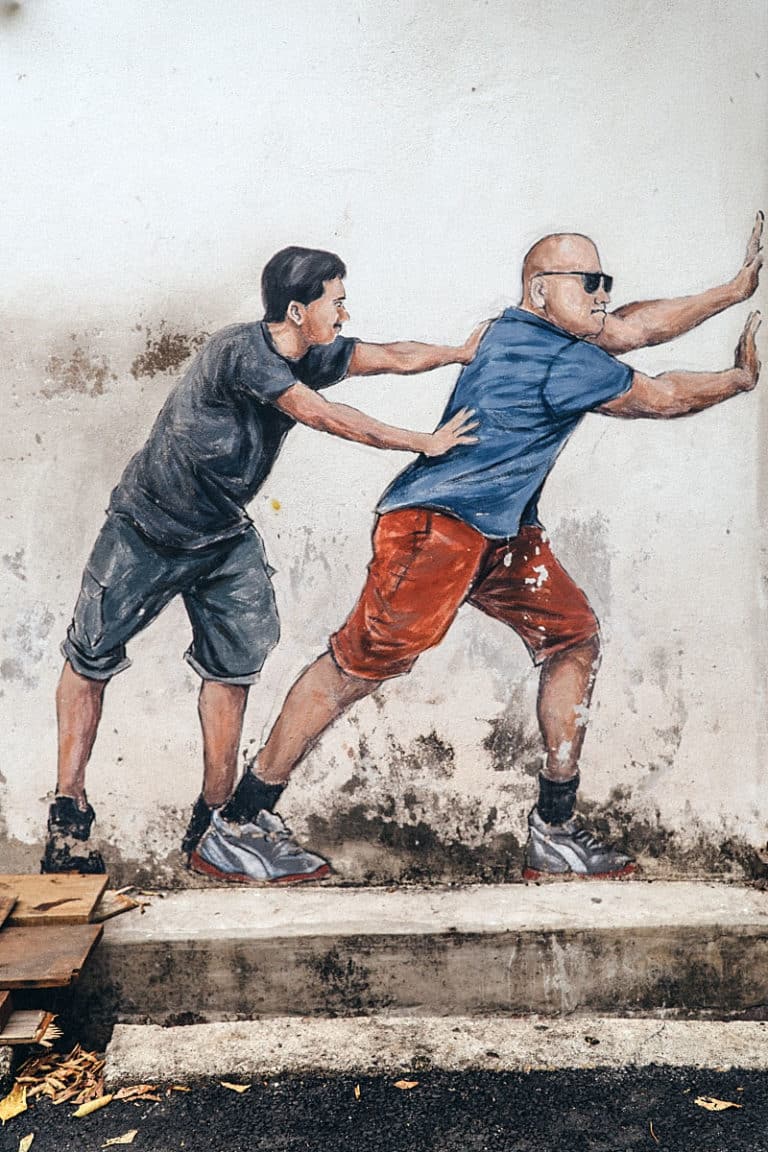
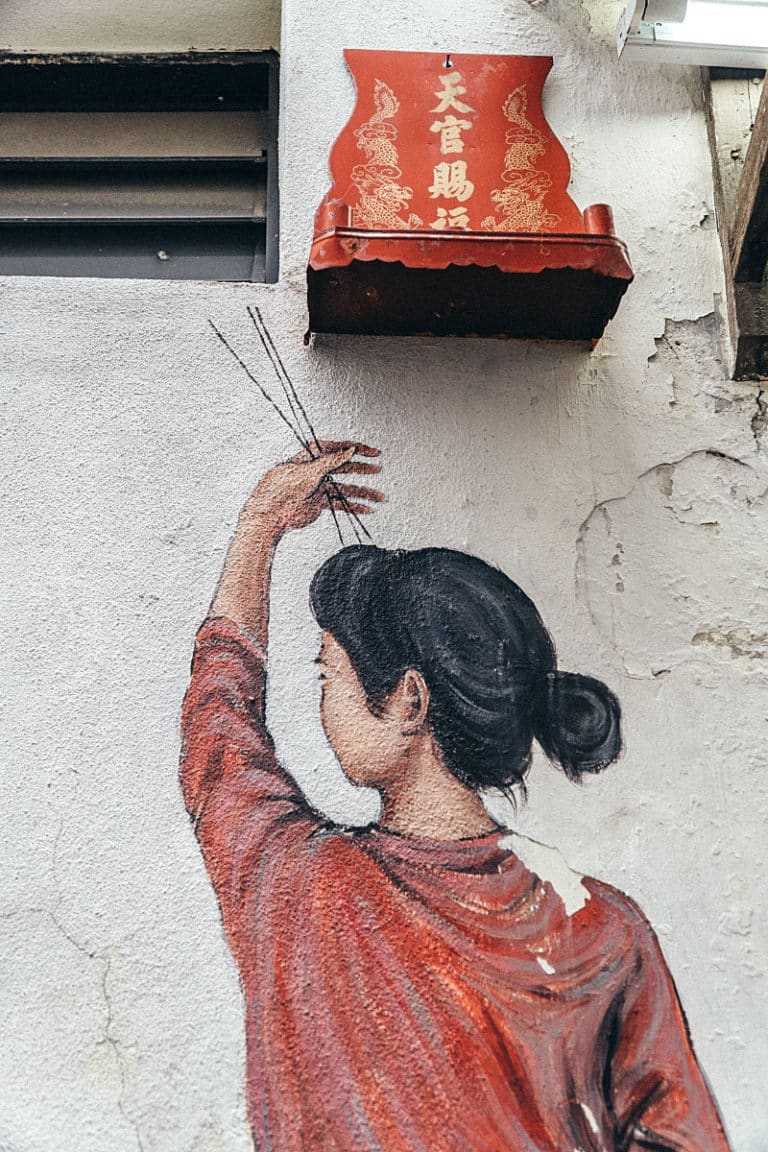
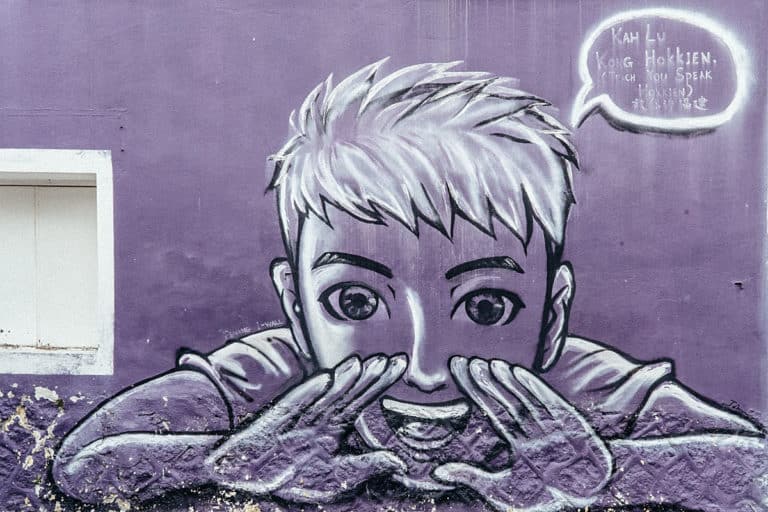
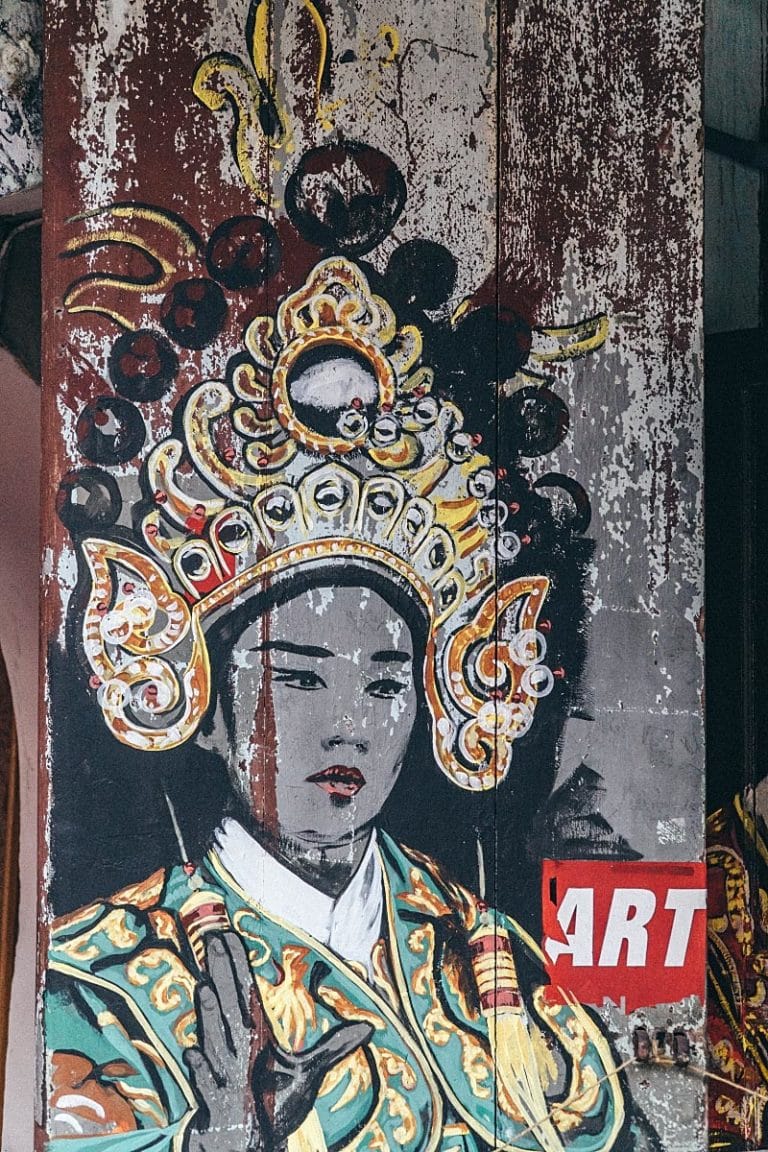
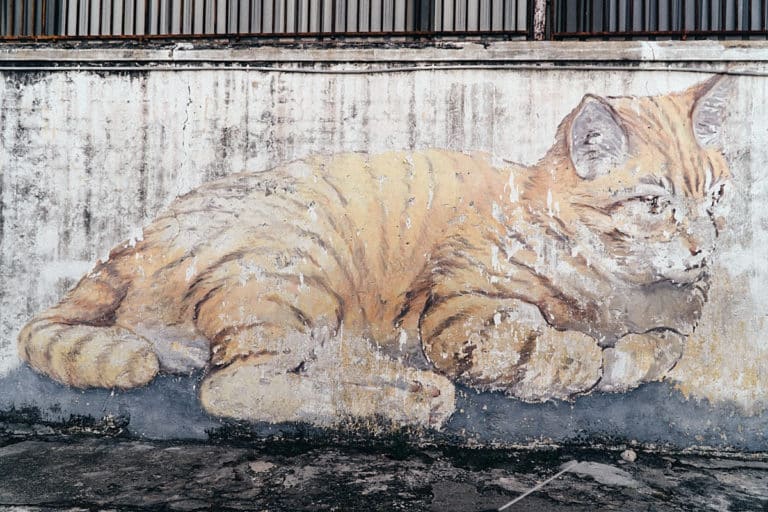
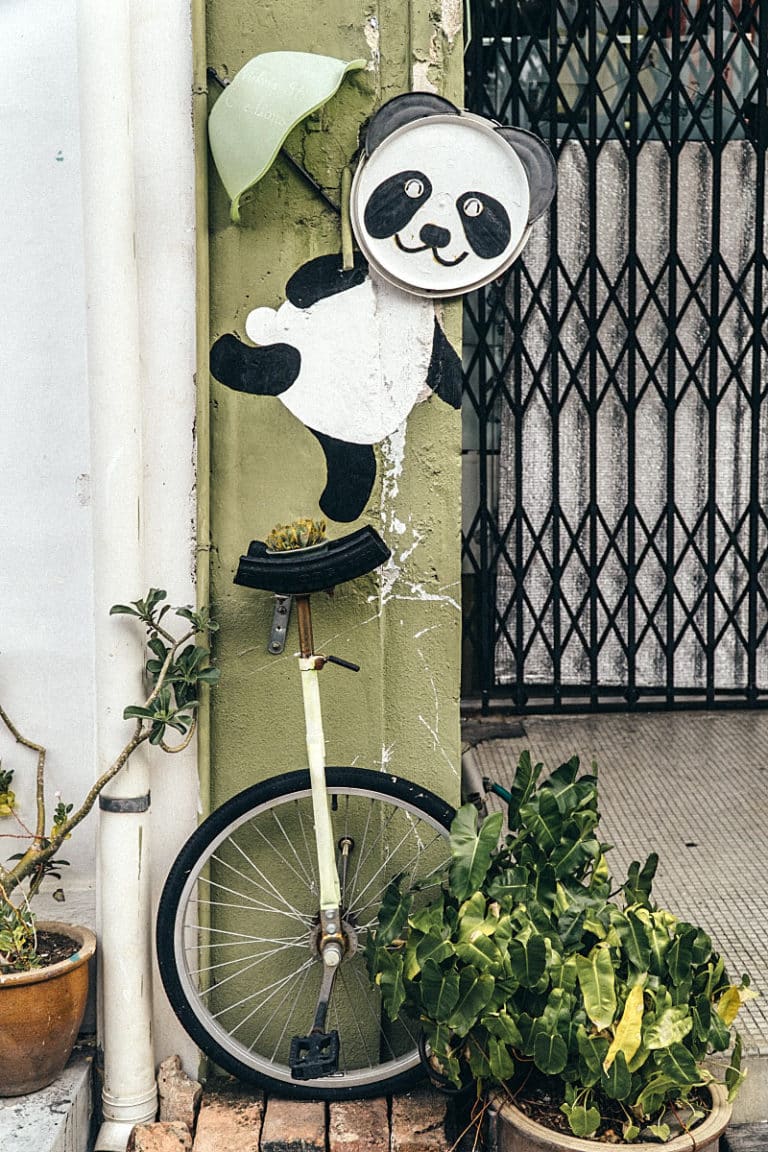
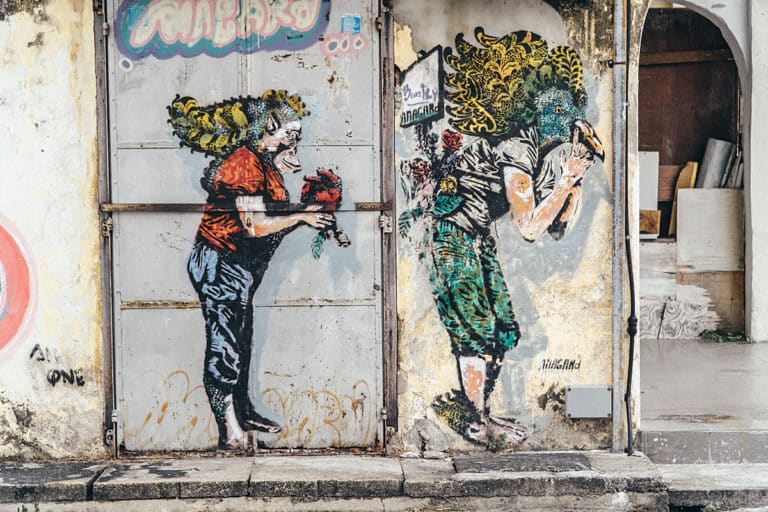
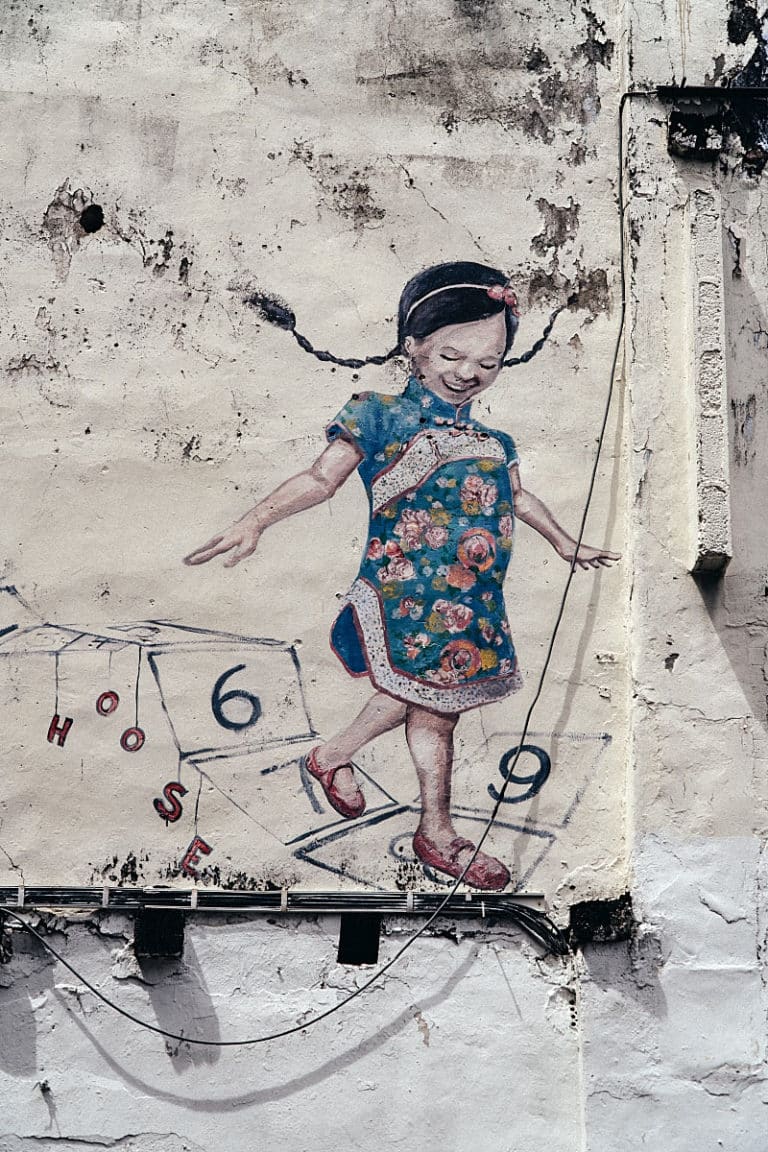
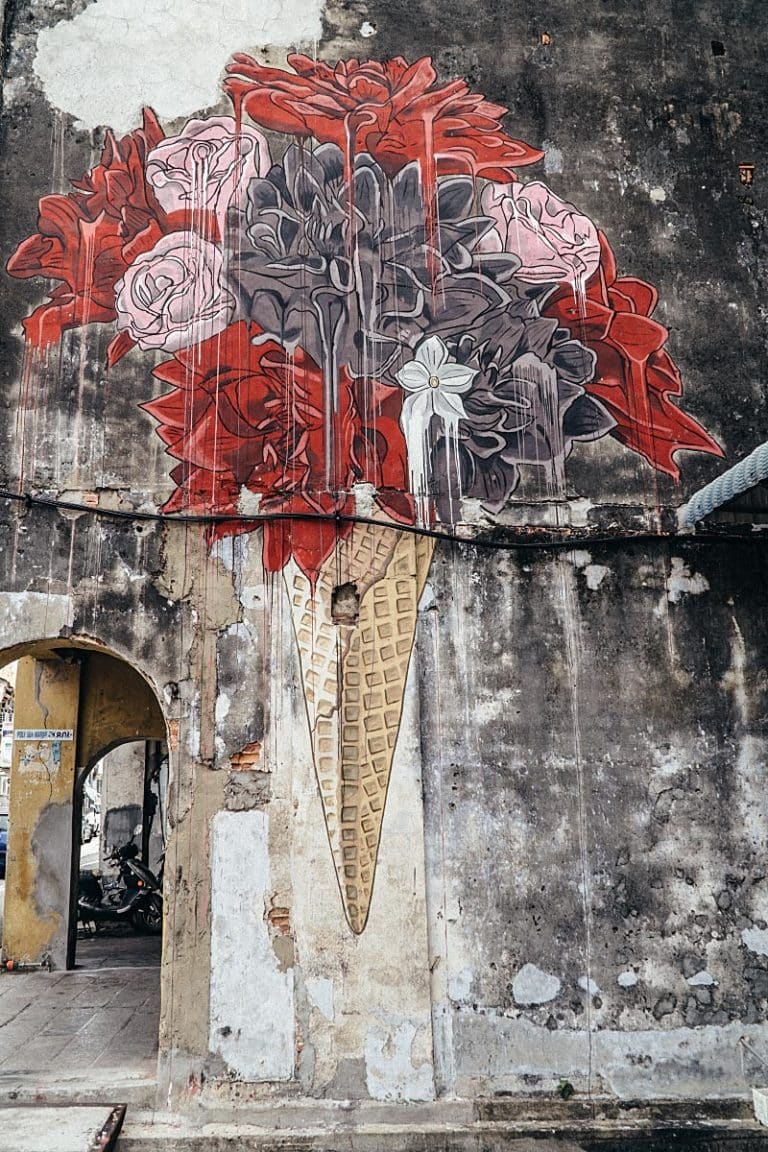
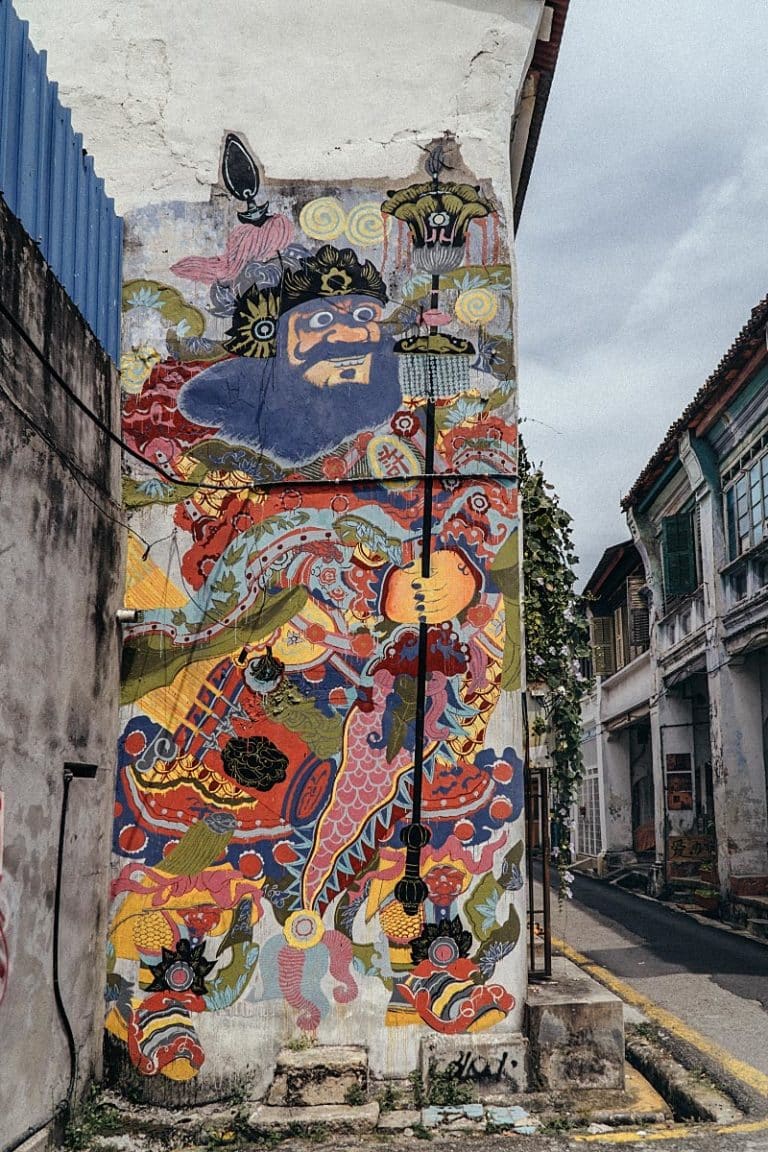
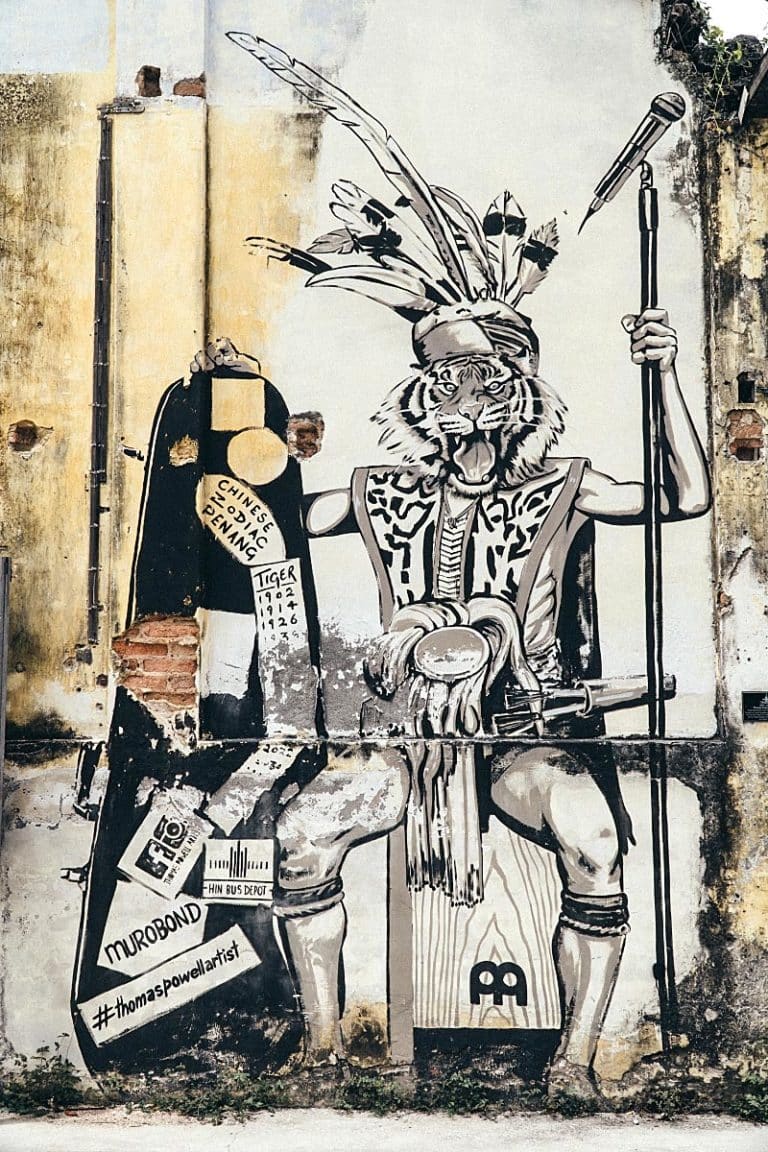
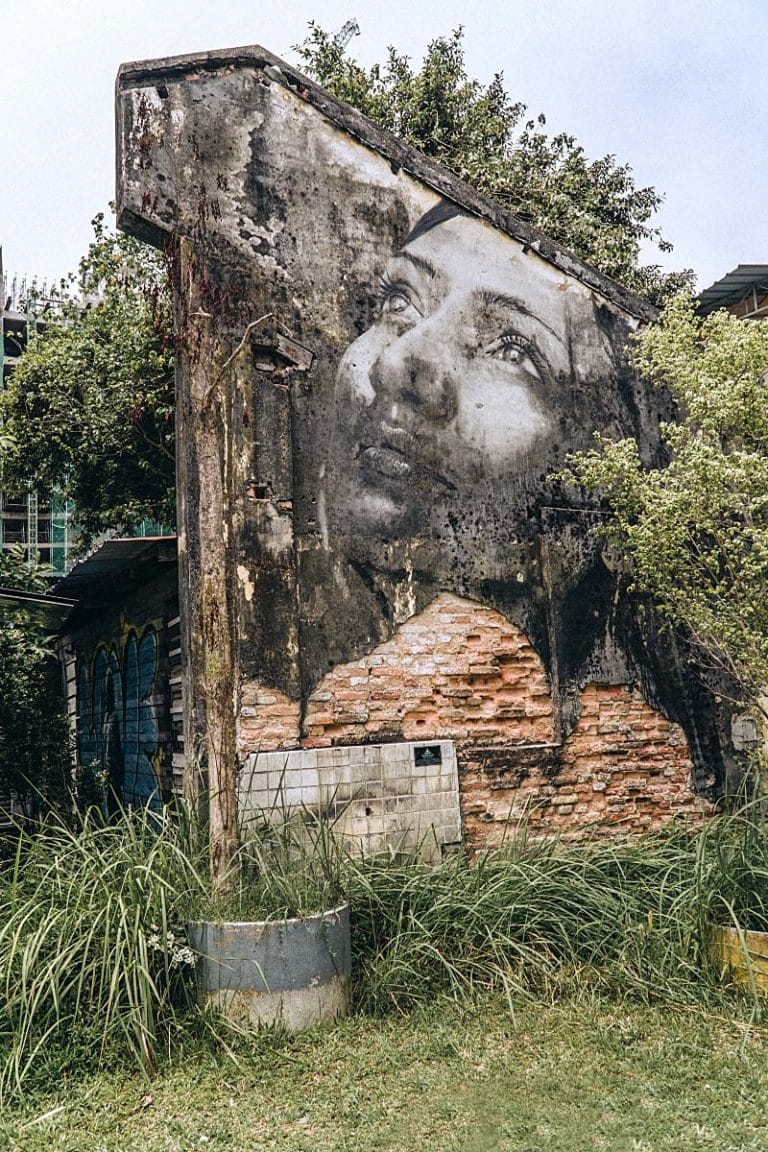
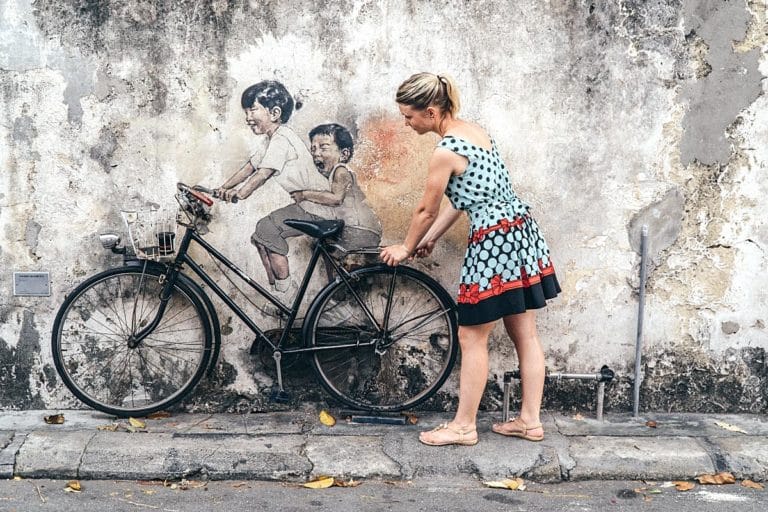
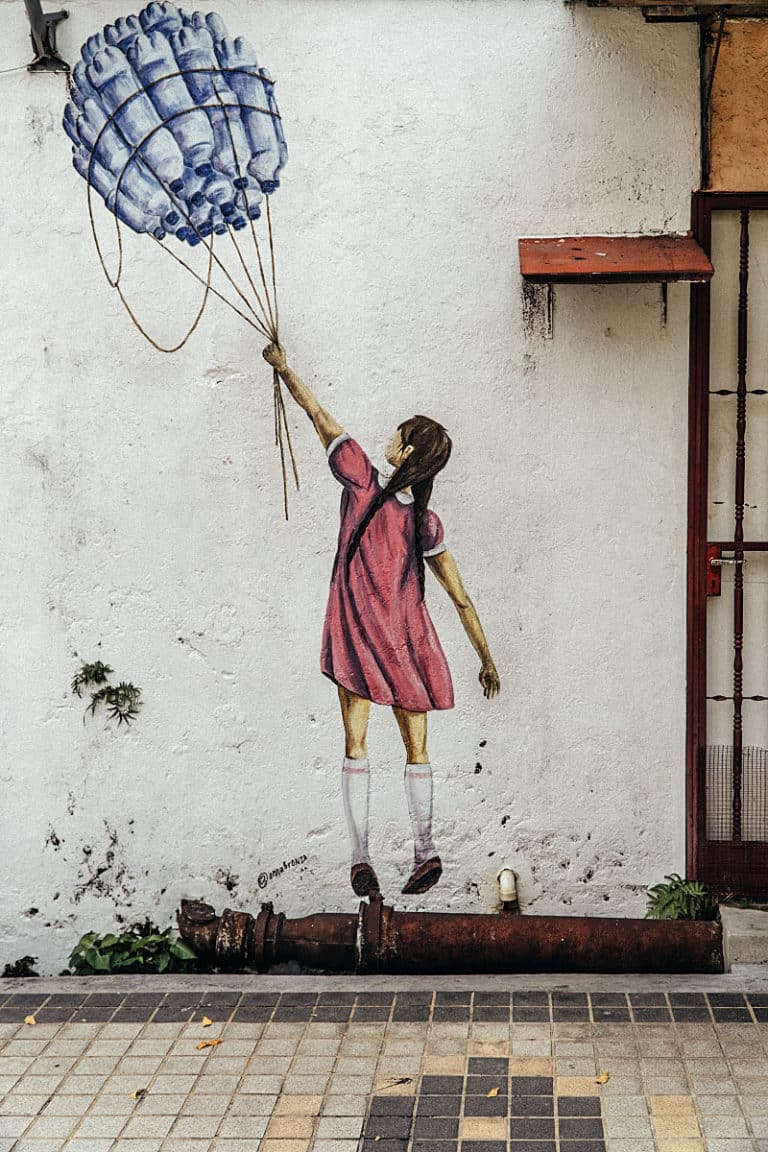
Street art in George Town, Penang, gave me plenty of reasons to keep my camera out. Some pieces made me smile, others were easy to walk past, and a few stopped me completely. I photographed the famous murals as well as smaller works, weathered faces, and walls whose peeling plaster had become part of the picture. This is my collection, with a few thoughts about the art that stayed with me.
Go straight to the photo gallery, or follow the photographs through the streets first.

Street Art in George Town: More Than the Famous Murals
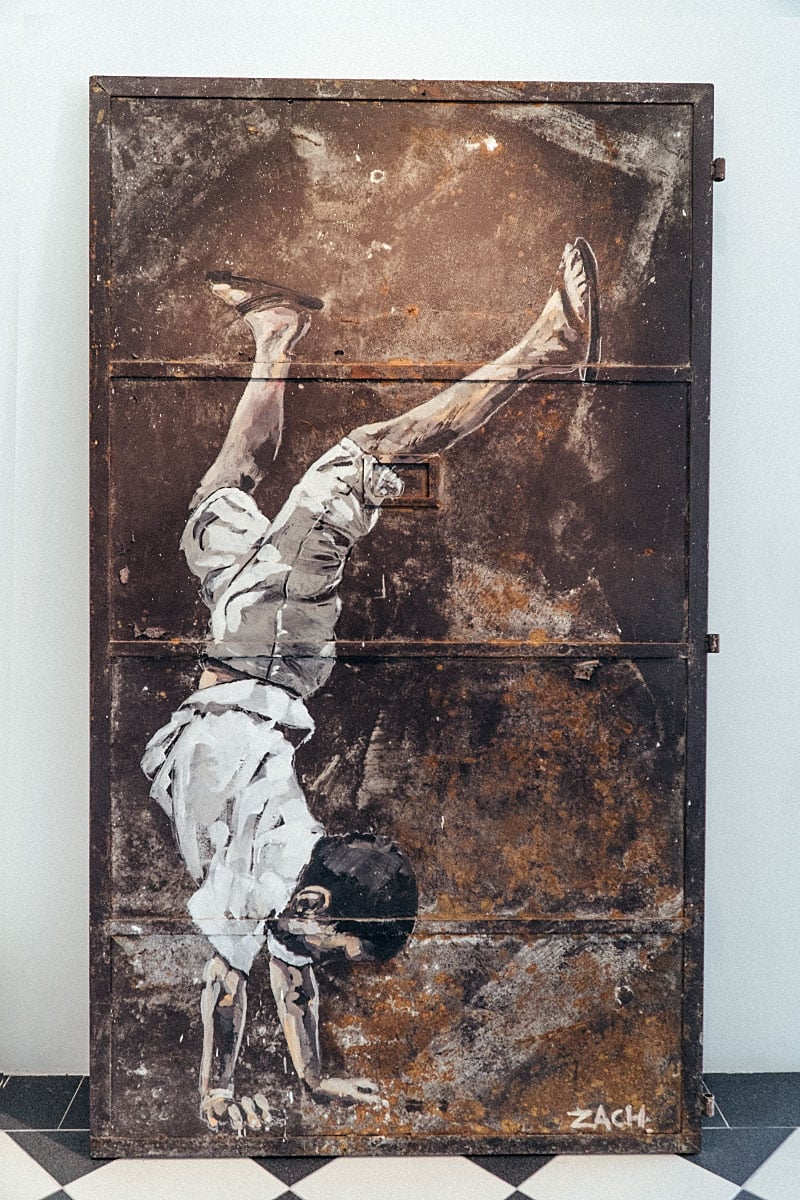
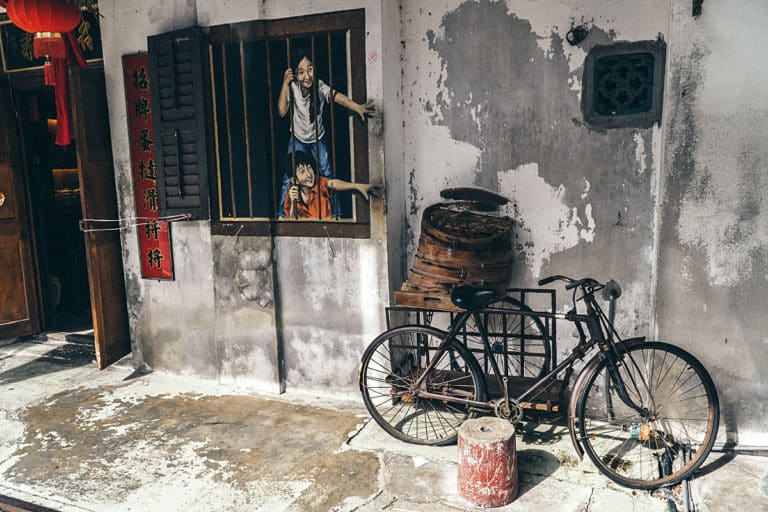
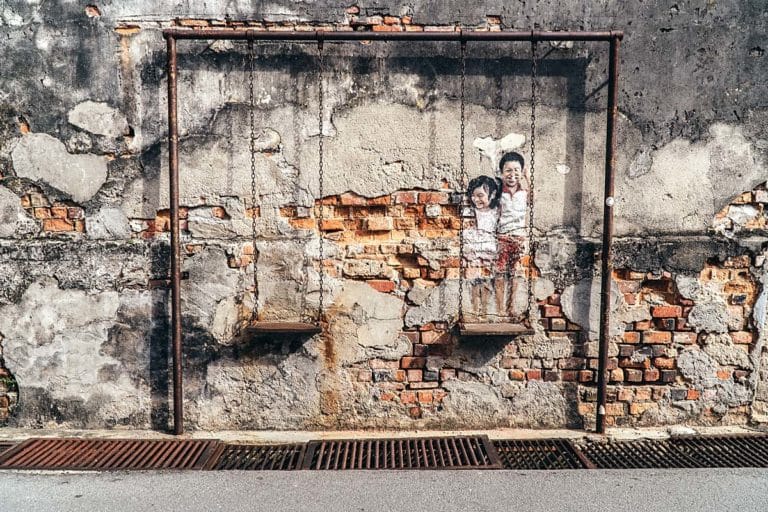
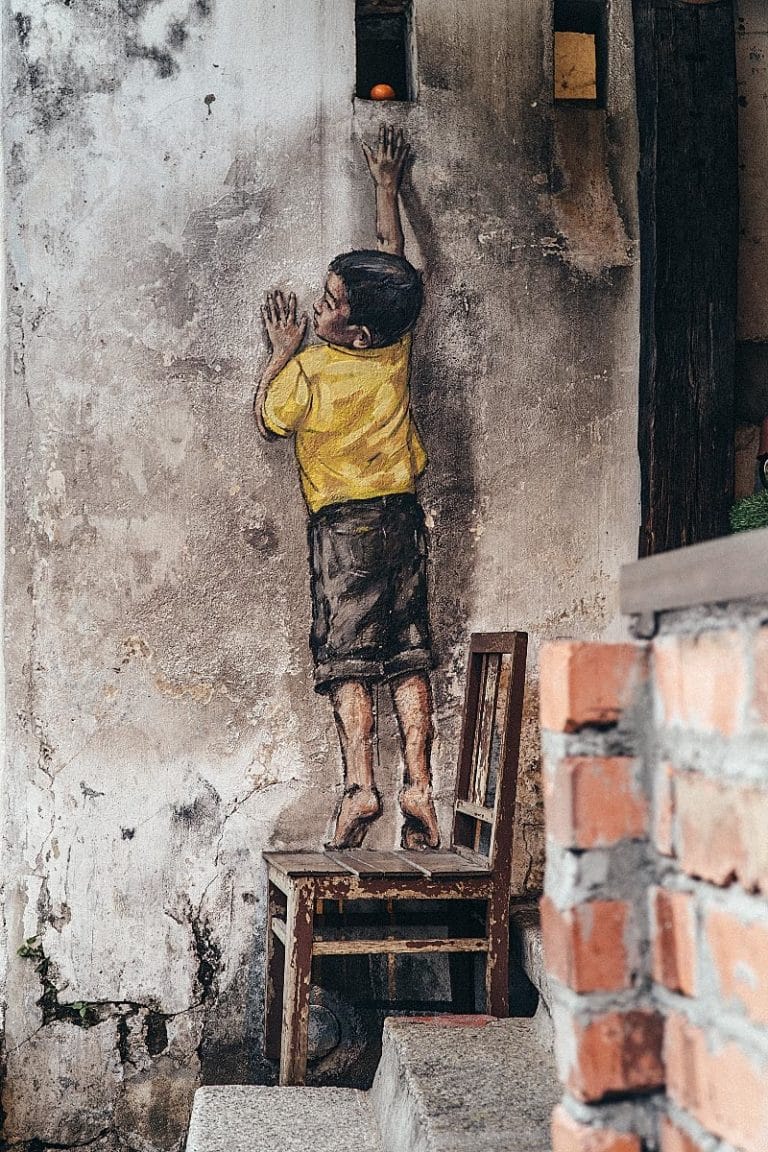
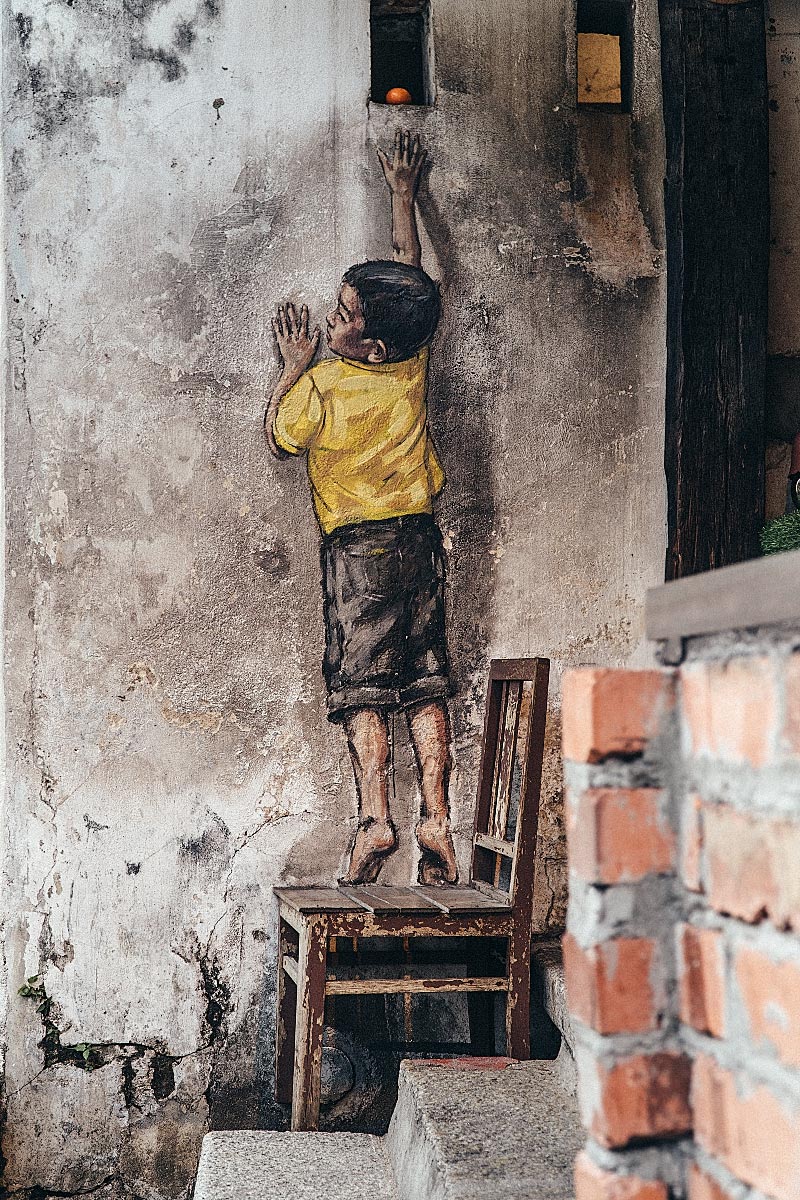
Ernest Zacharevic’s murals for the 2012 George Town Festival helped bring international attention to Penang’s street art. The Lithuanian artist combined painted figures with objects already belonging to the street, making the surroundings part of the work. His George Town Festival project remains a useful starting point for understanding why these pictures caught people’s attention.
What interested me was how the art changed the way people explored the city. A painting could draw someone down a side street they might otherwise have missed. Some works were right beside the road; others took a little looking. For more of the places we explored around the island, our Penang stories continue beyond the murals.
The Faces That Made Me Stop
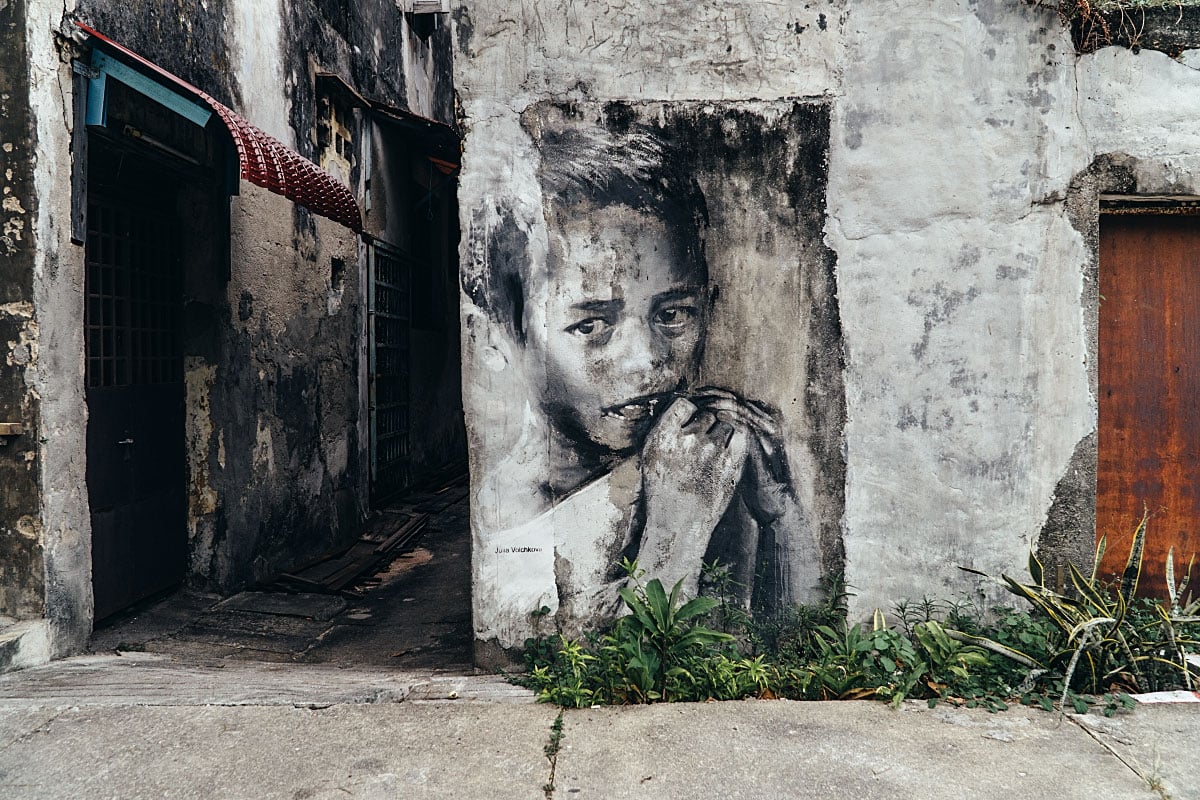
Julia Volchkova’s portraits were among the works I admired most. I love her style and the attention she gives to a face. The scale of a mural draws you toward it, then the expression gives you a reason to stay. Seeing such careful work exposed to weather also made me wish it could last longer.

A photograph preserves one version of a wall. It cannot keep the paint from fading, and the next person may find a different scene. That is one reason I wanted to bring these images together. The changes are part of street art, even when I would happily keep a particular piece exactly as I found it.

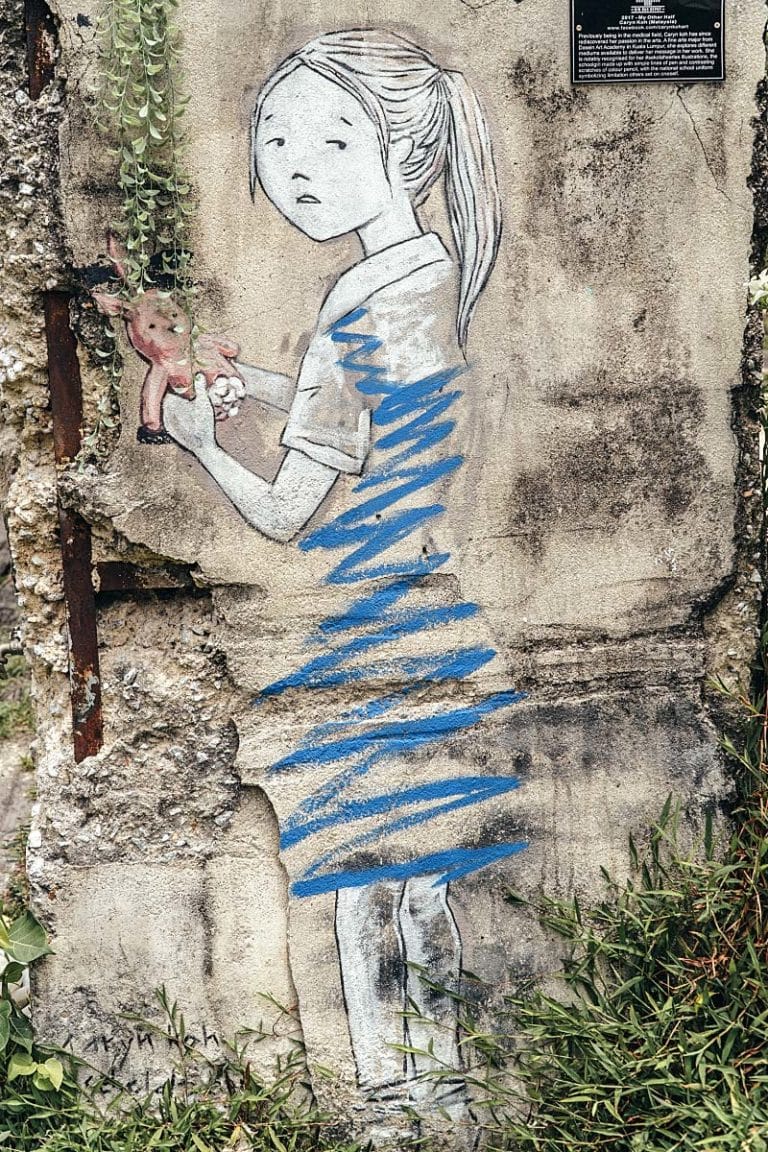
This child’s face was one of the images I kept thinking about. I cannot know a person’s story from a painted portrait. What it brought back to me were encounters with children whose lives were much less protected than my own. Looking at the eyes was uncomfortable in a useful way: it asked for more attention than a quick photograph and a walk to the next wall.
Art Is Life
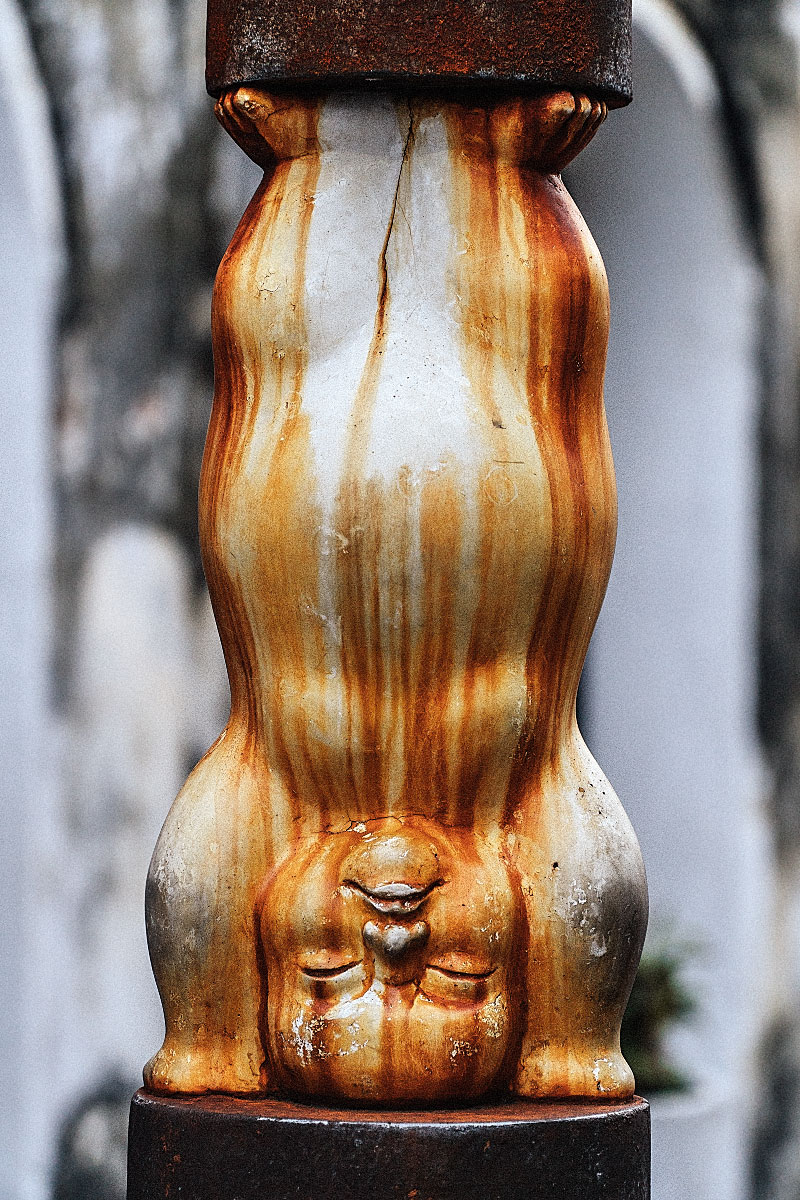
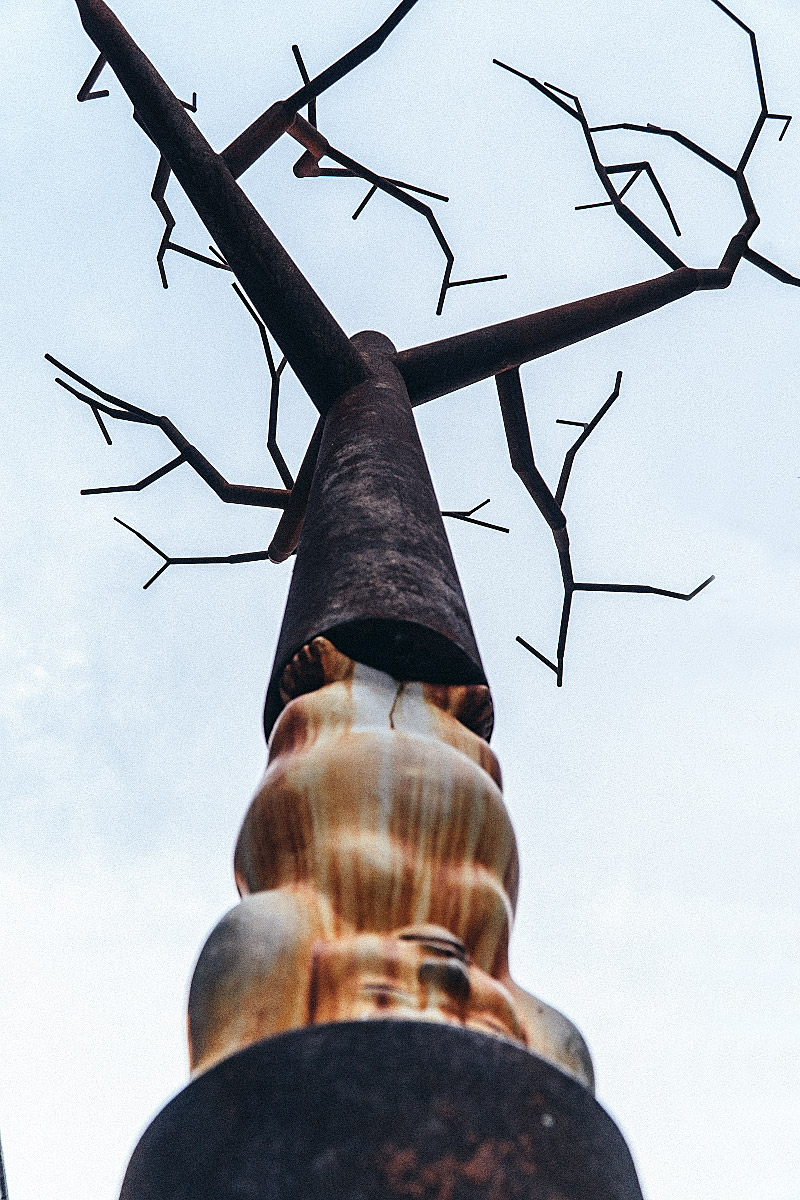
Not every work in this collection is painted on a building. These two photographs show a sculpted figure supporting a bare, branching form. I read it as an image of the next generation carrying a weight it did not choose. That is my interpretation, not an explanation from the artist.


The rust made me think about the things we pass on without asking permission: pollution, stress, and damaged surroundings. I am hopeful about younger people and their ability to find answers. Expecting them to repair everything while giving them less to stand on seems a poor arrangement. In this work, I saw nature as part of that foundation.

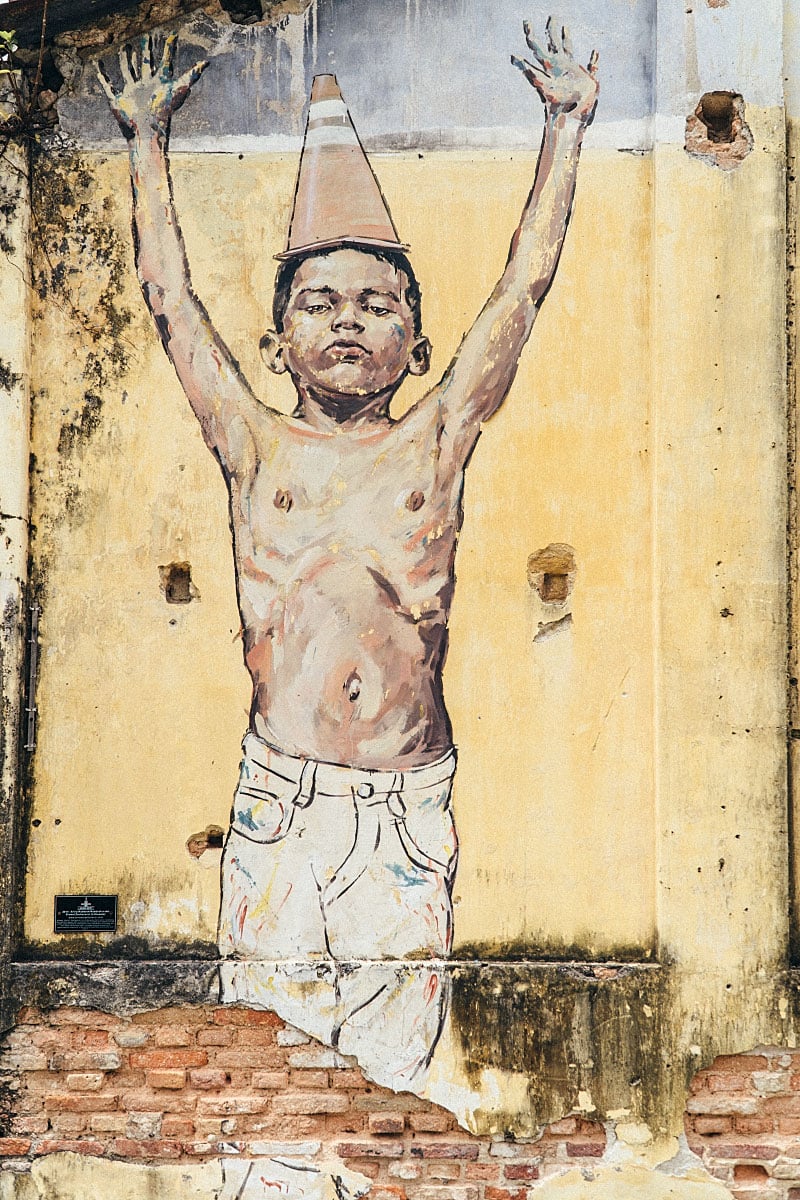
The boy with his arms raised brought out a different response in me. I read frustration into the gesture: the point where disappointment becomes anger and then exhaustion. Someone else might see surrender, protest, or something entirely different. I liked that the picture did not settle the question for me.
Penang Street Art Gallery
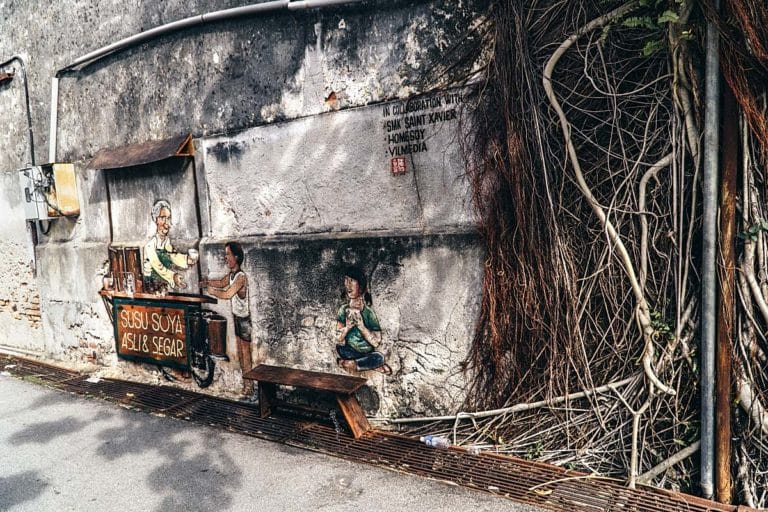
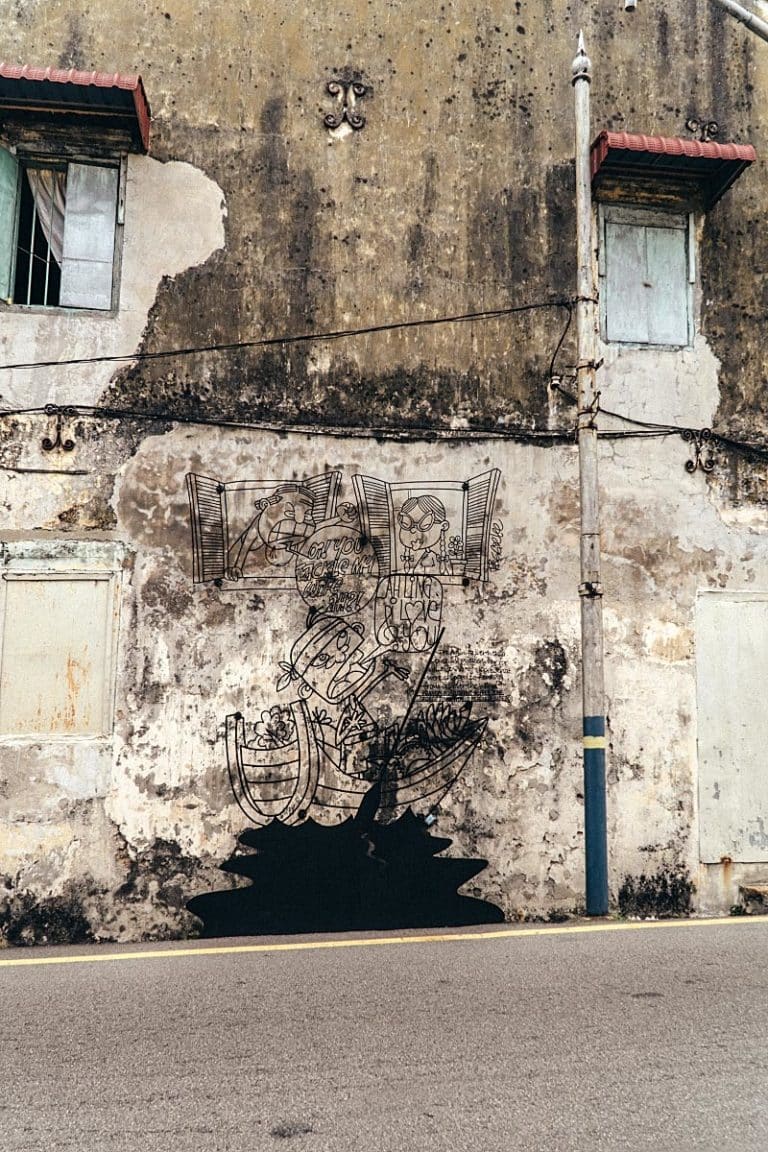
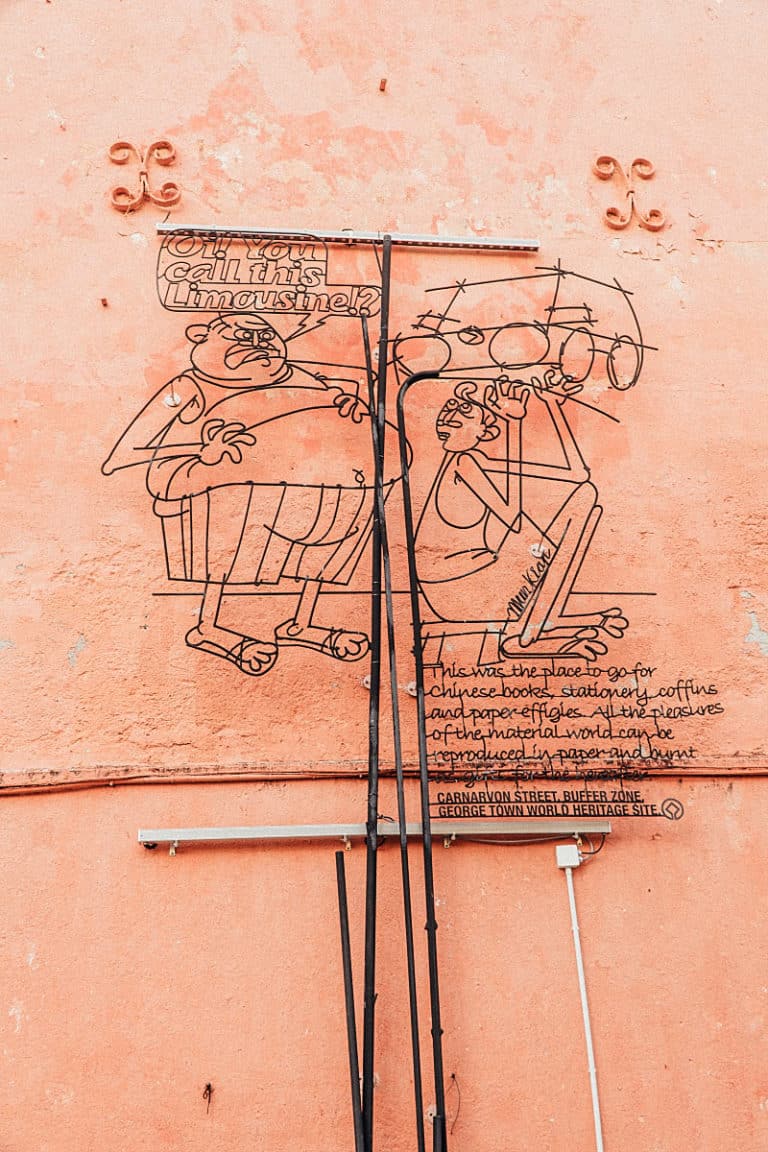
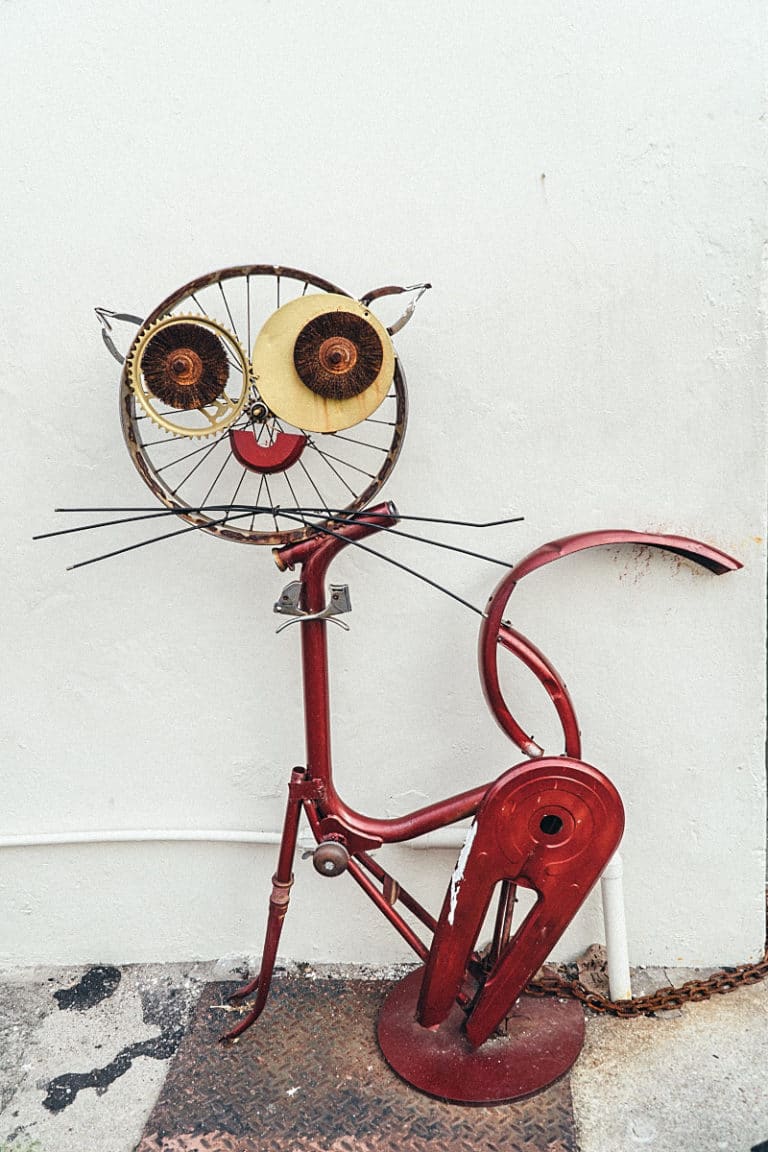
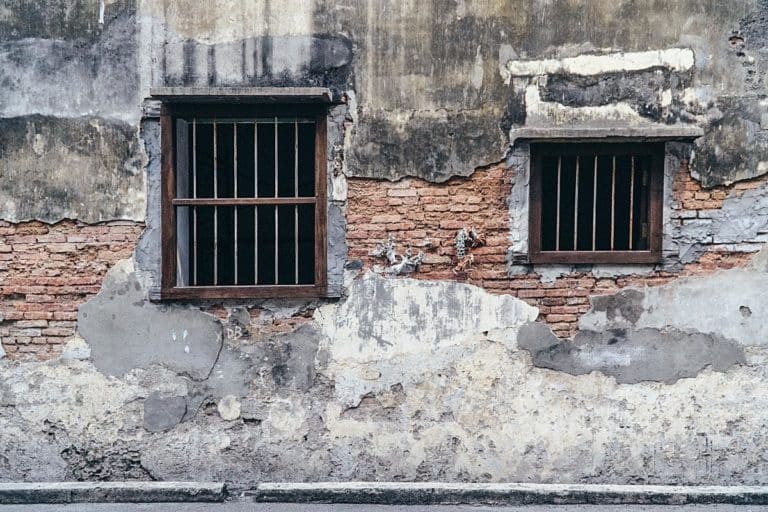
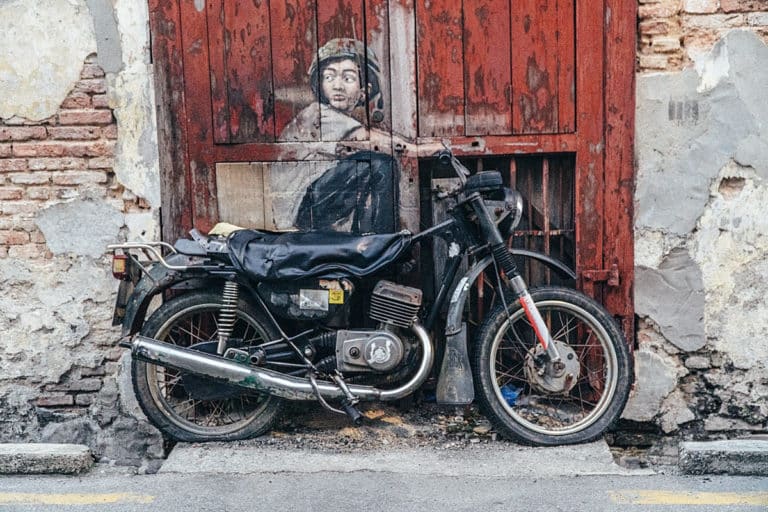
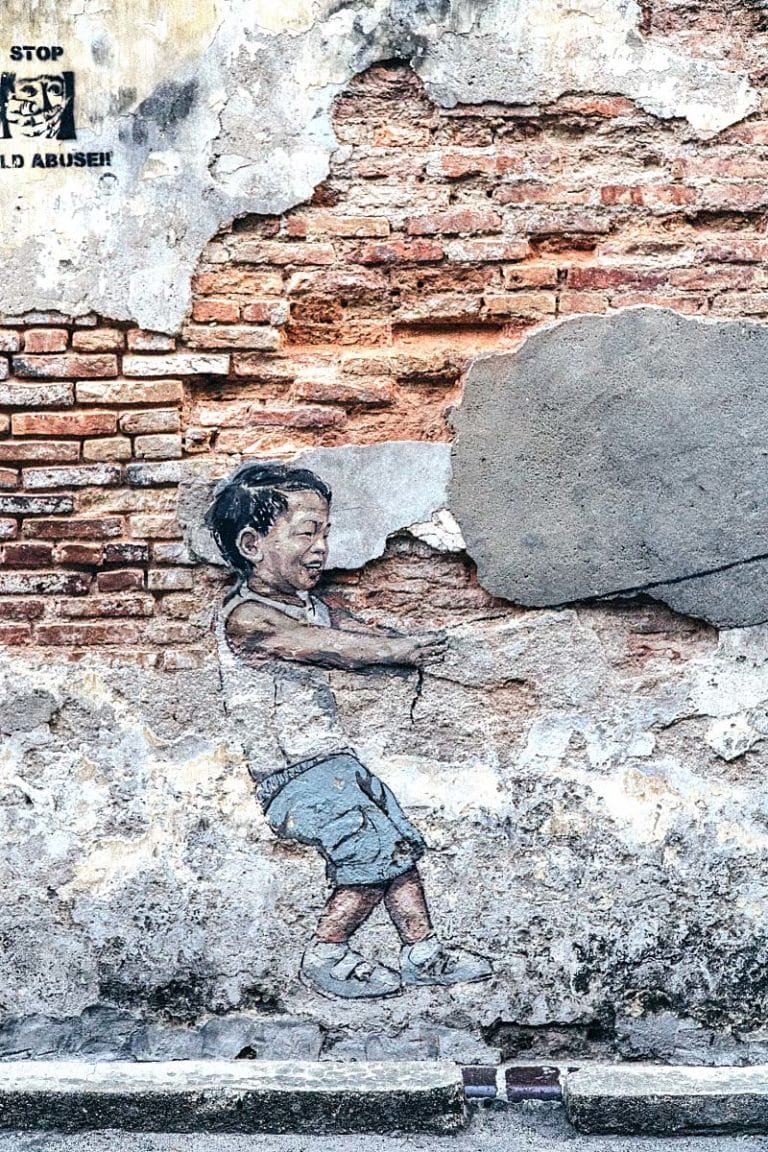
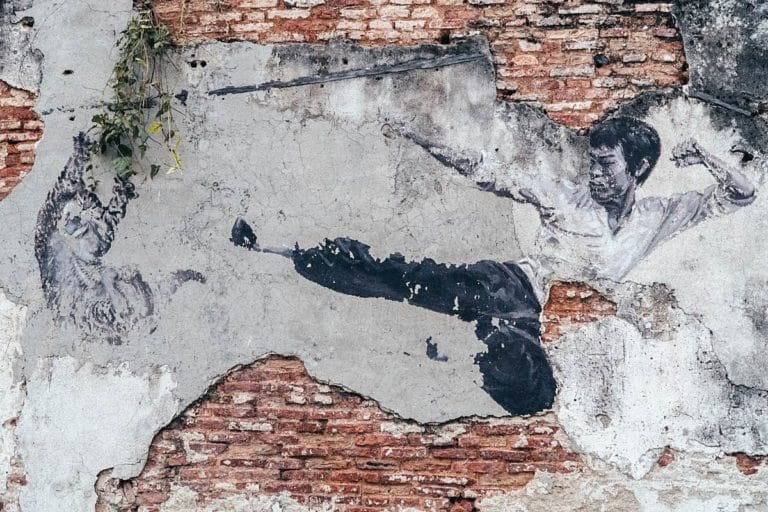
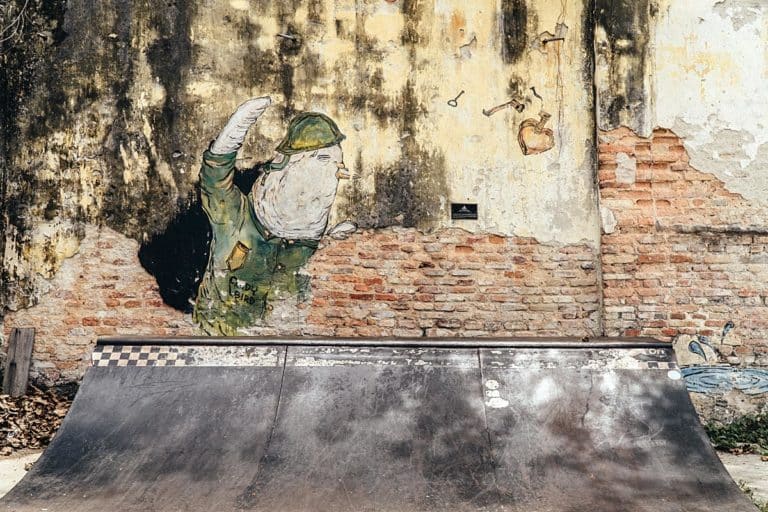
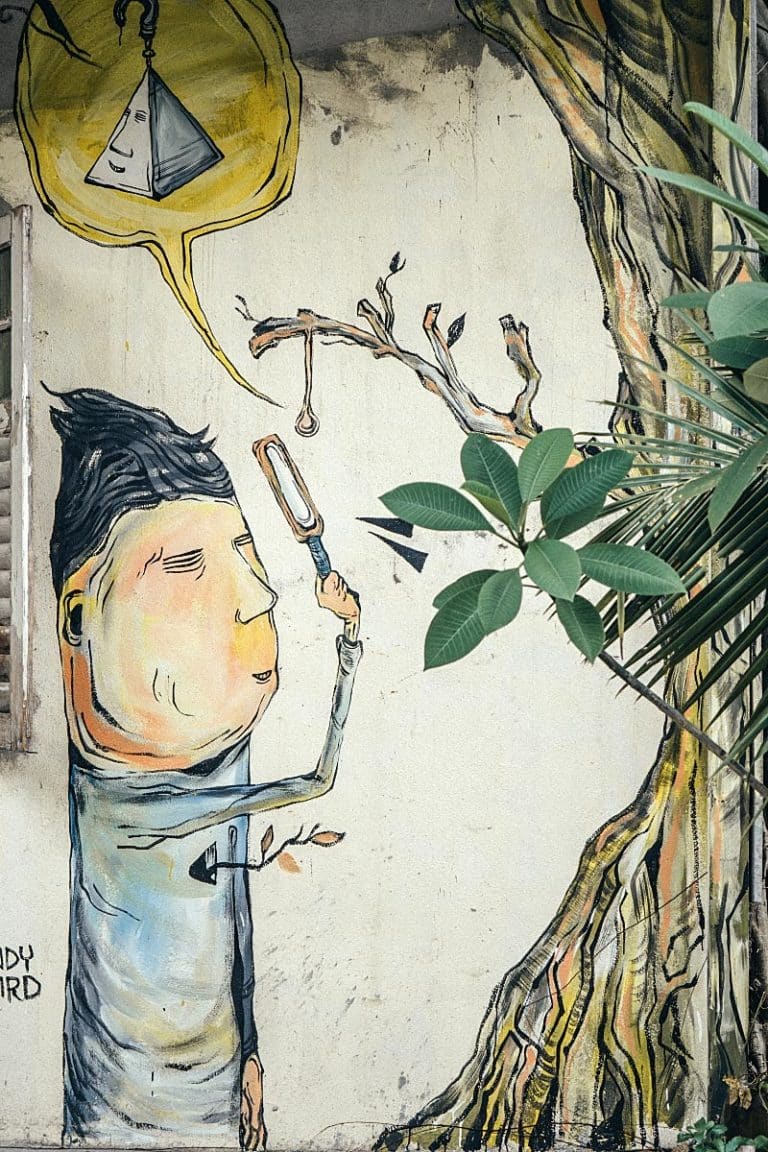
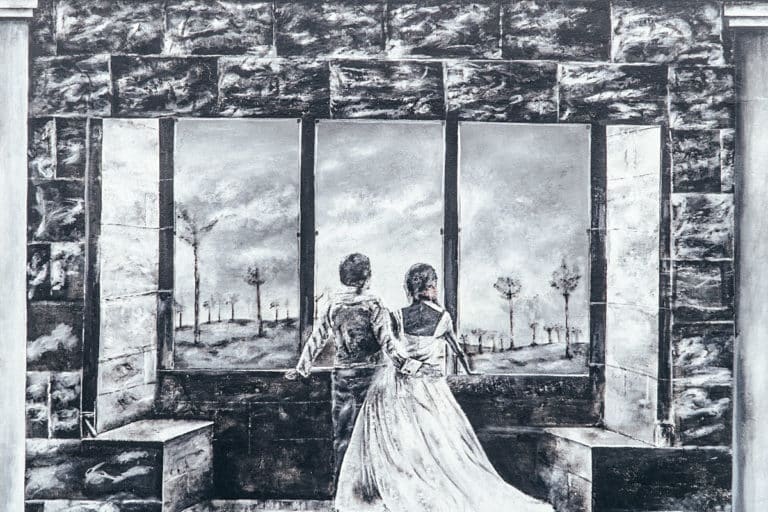
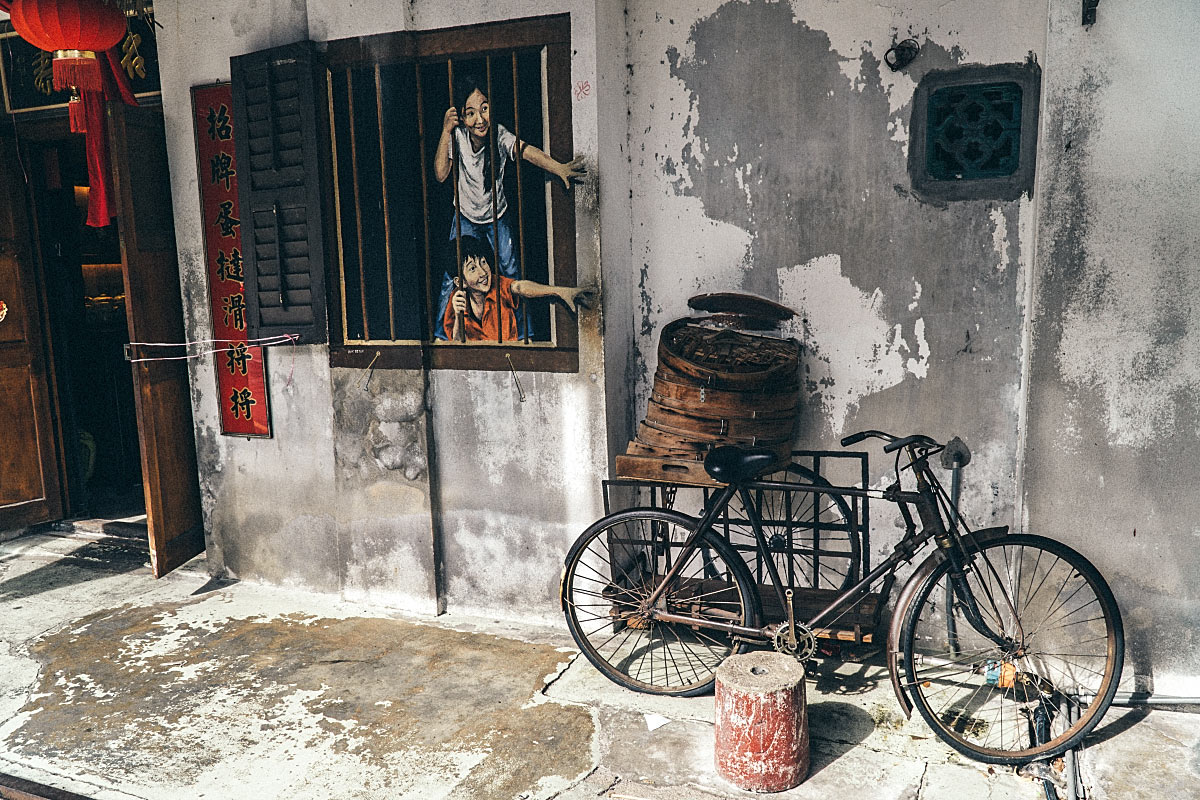
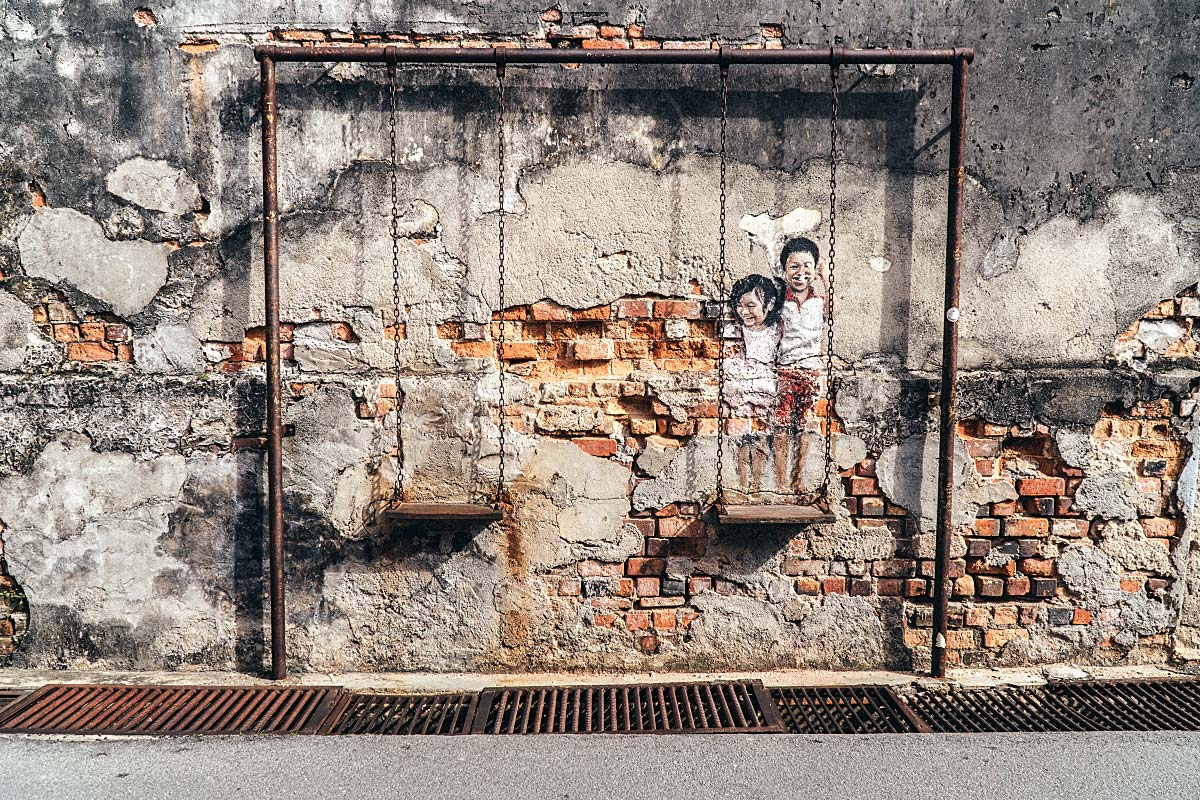
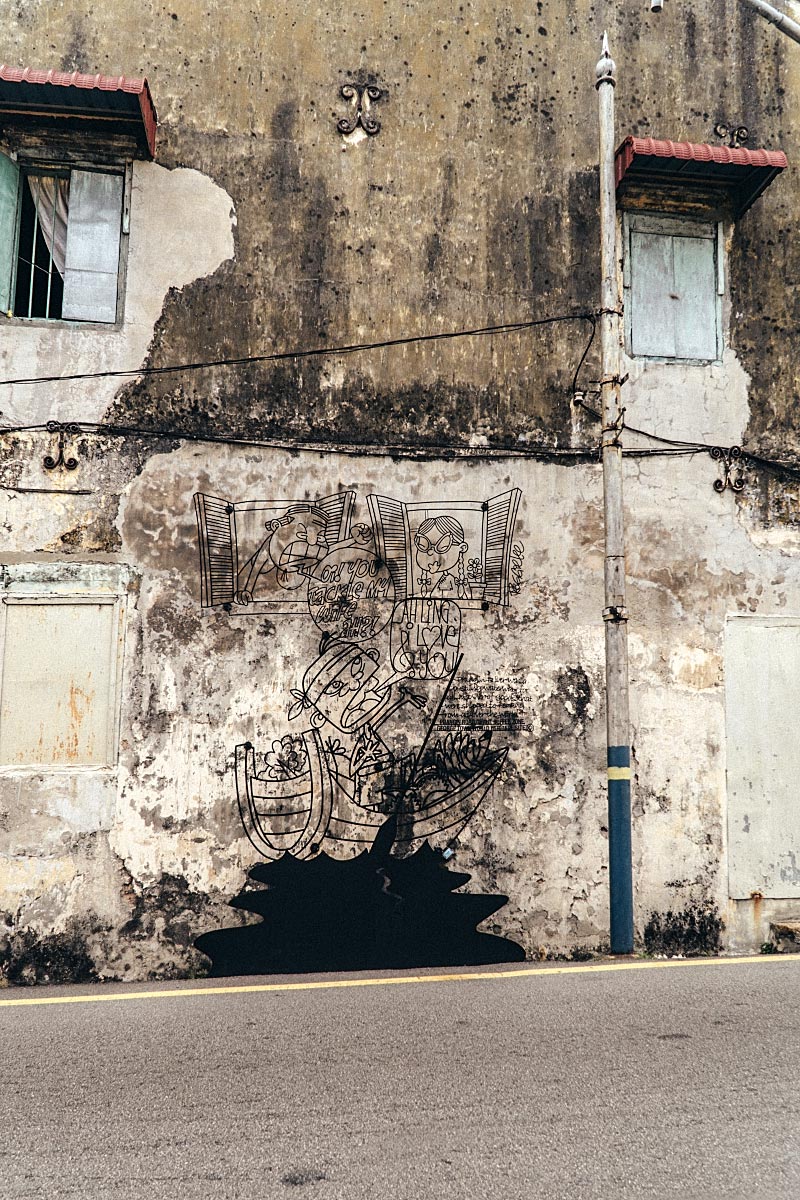
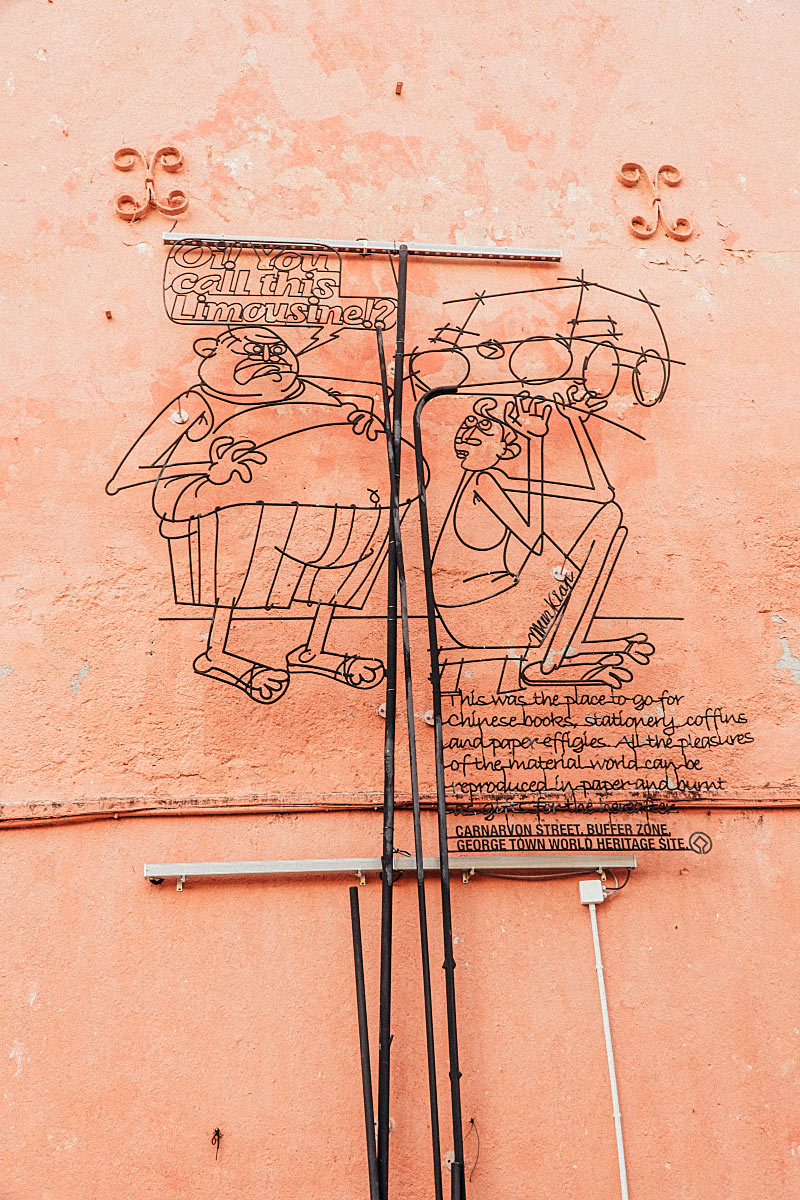
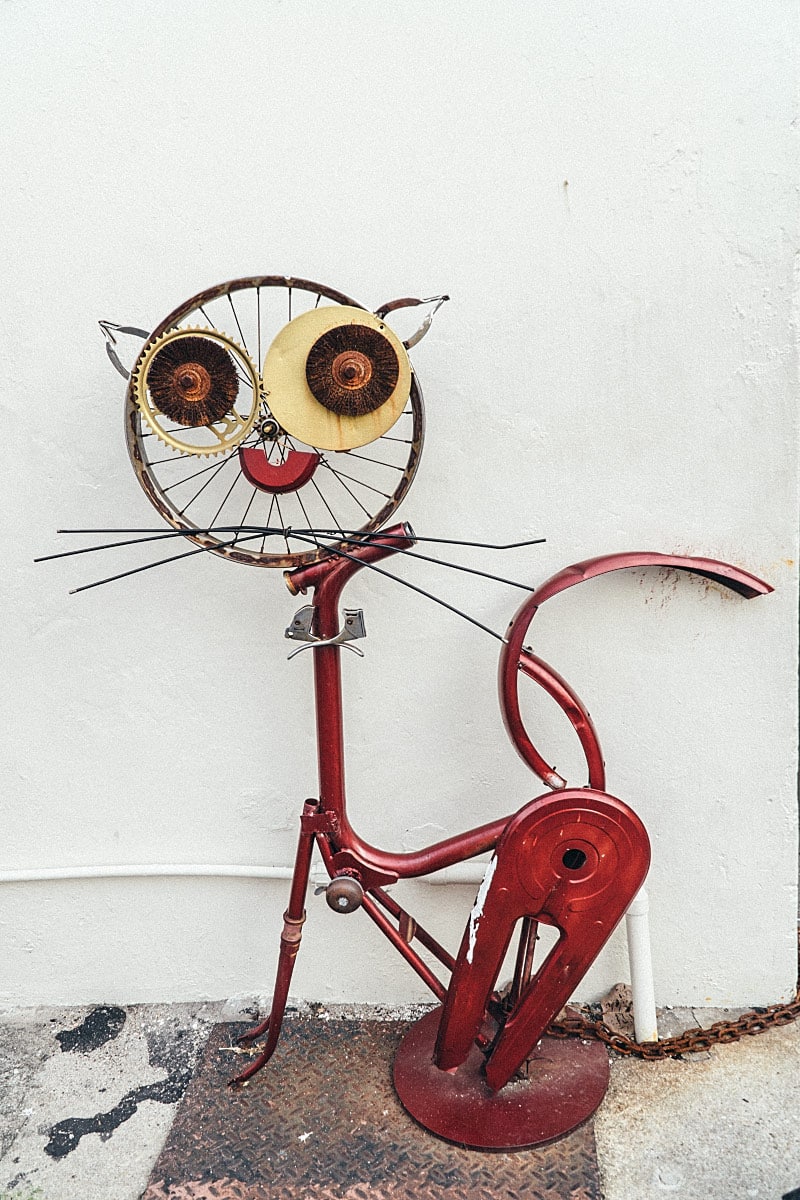
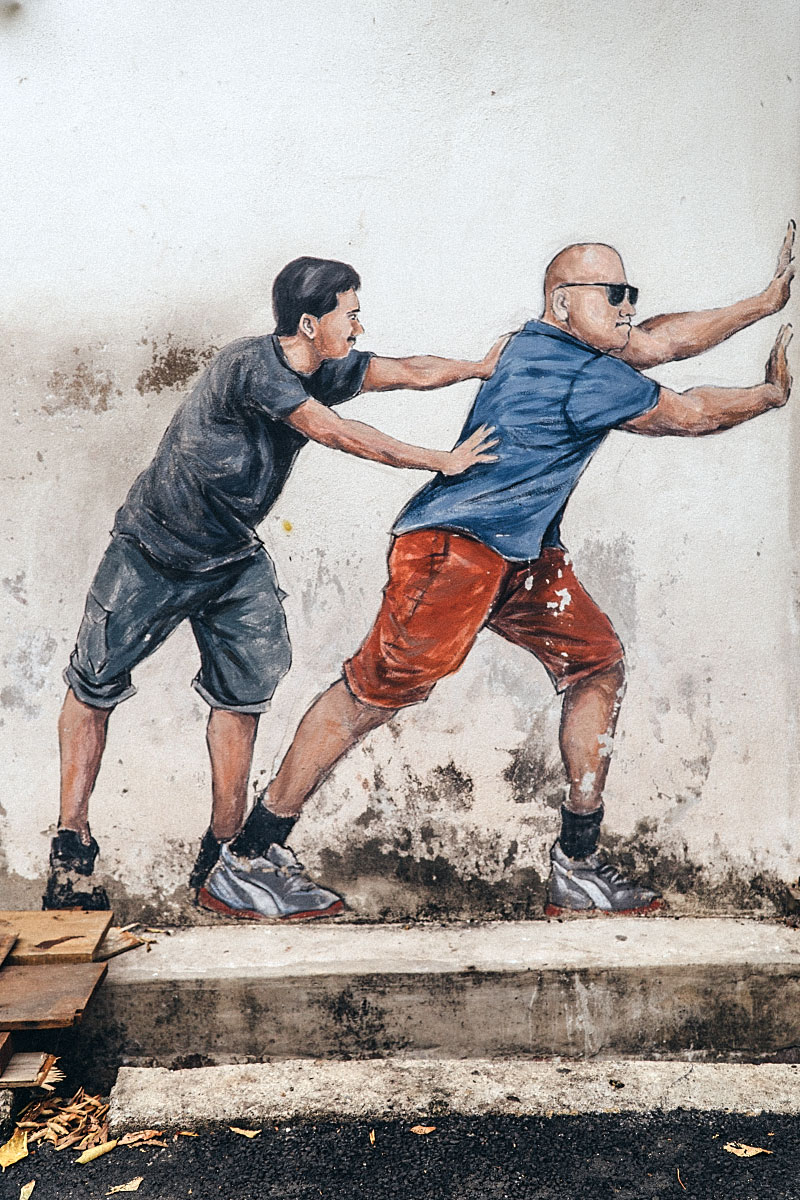
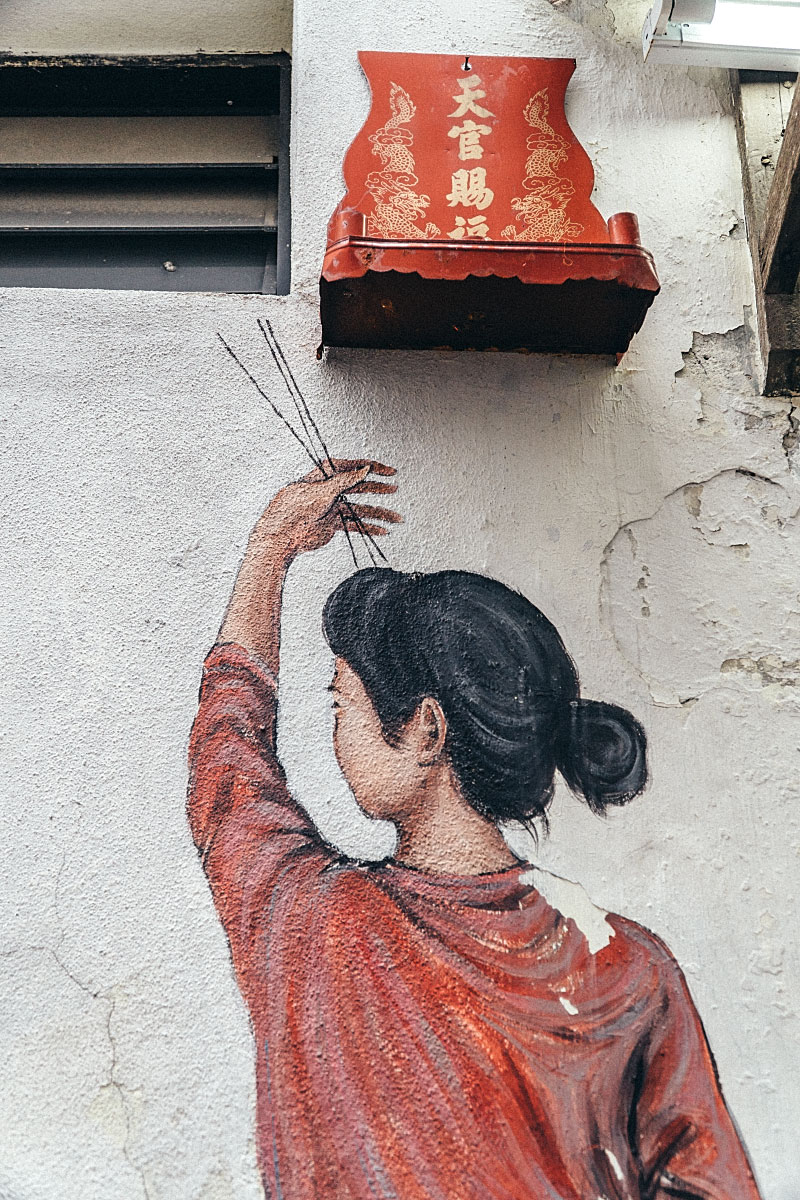
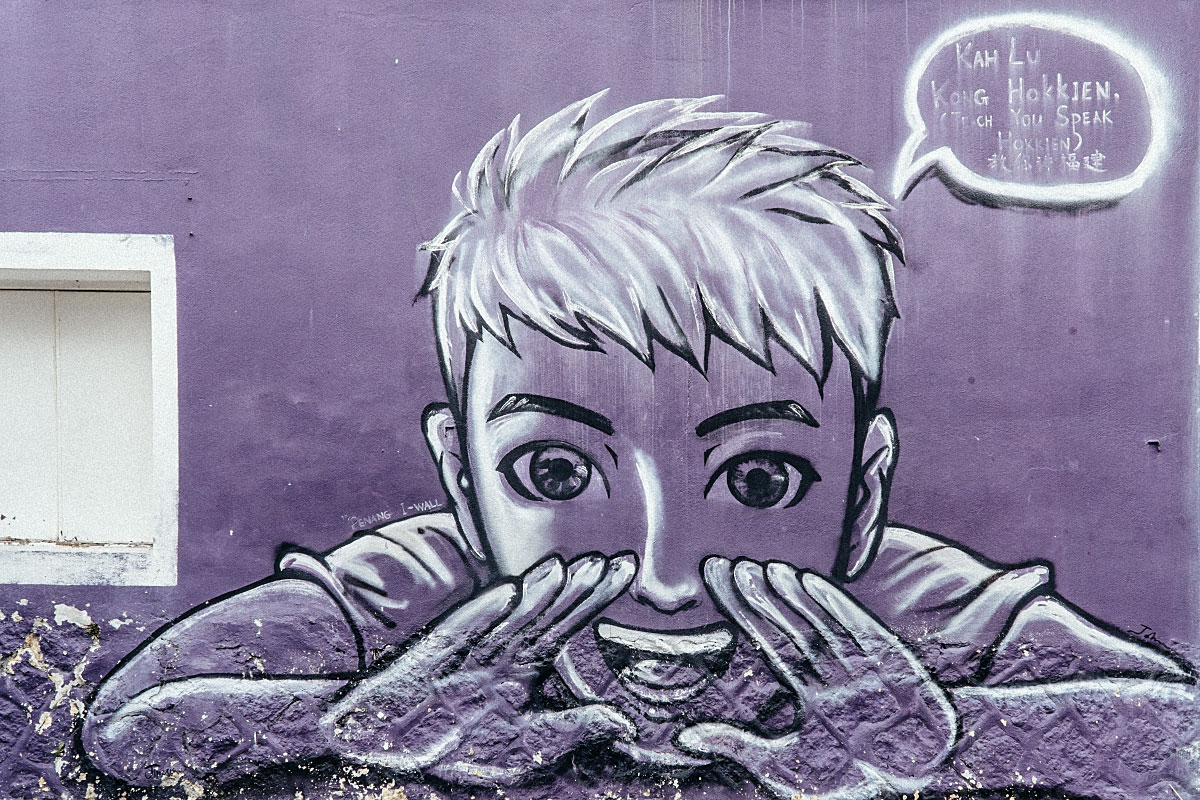
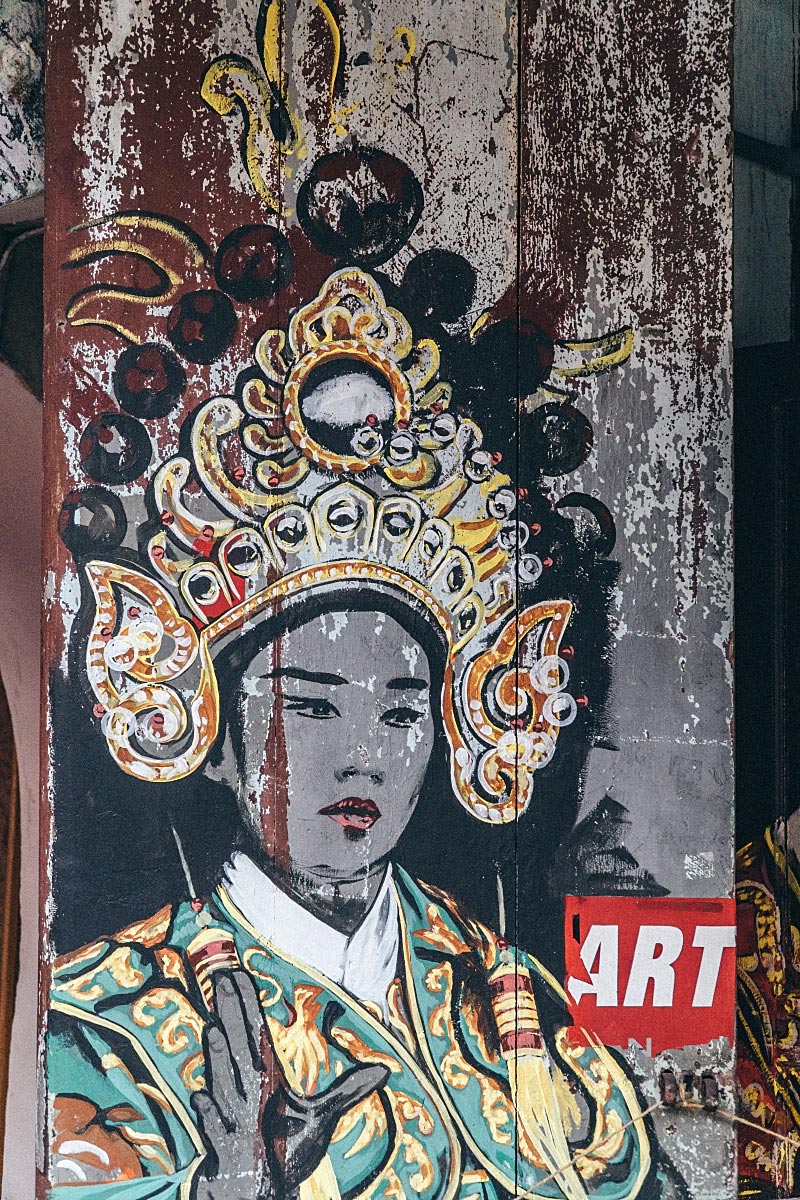
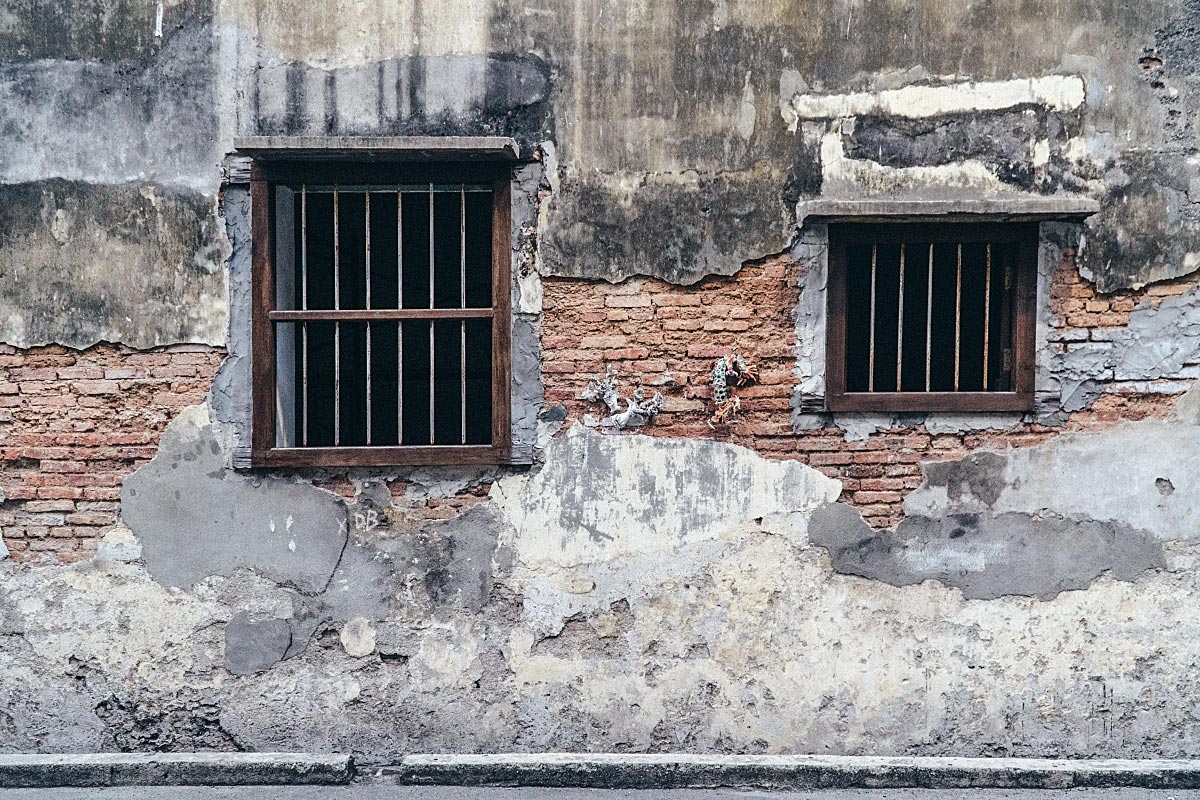
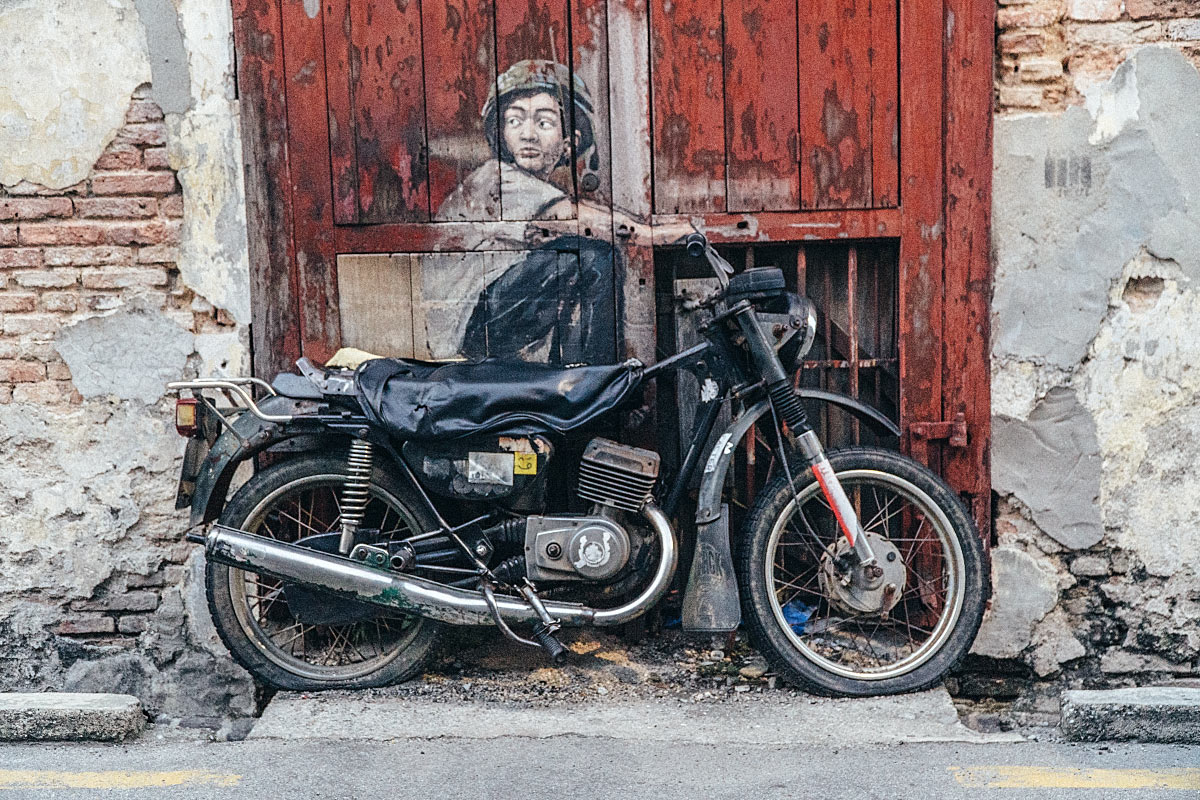
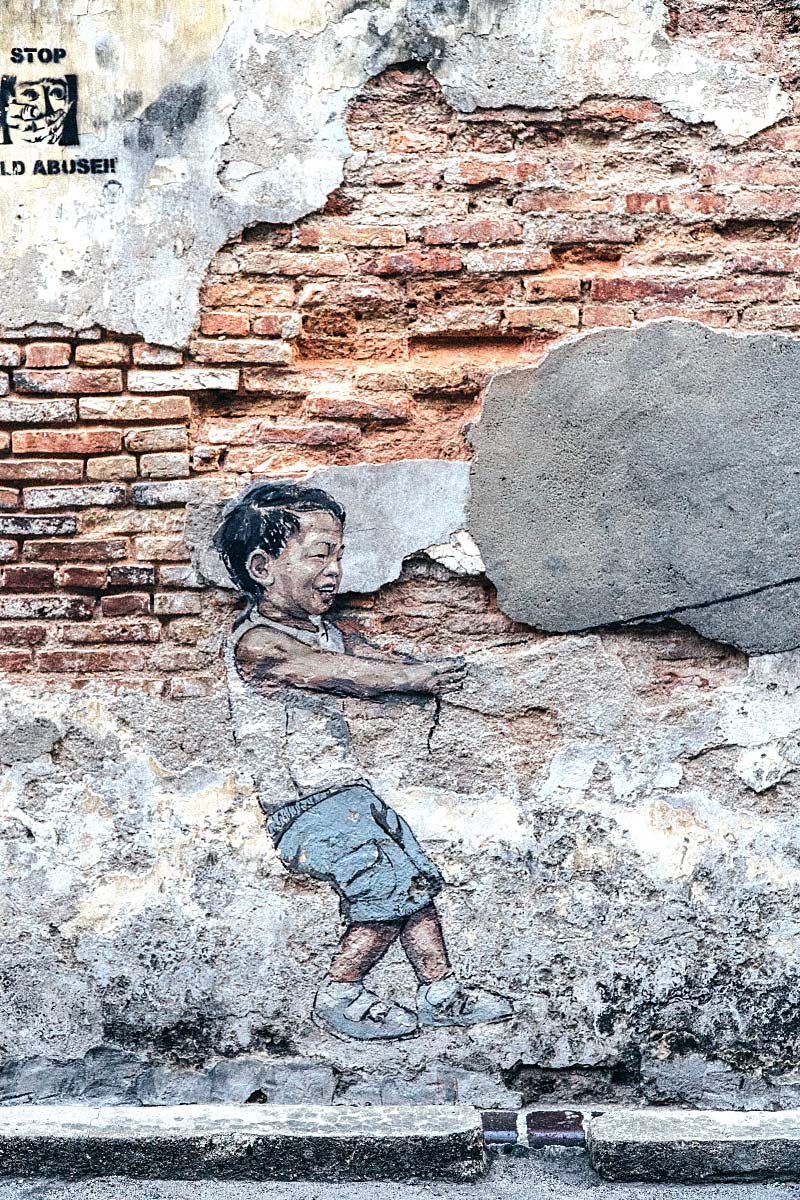
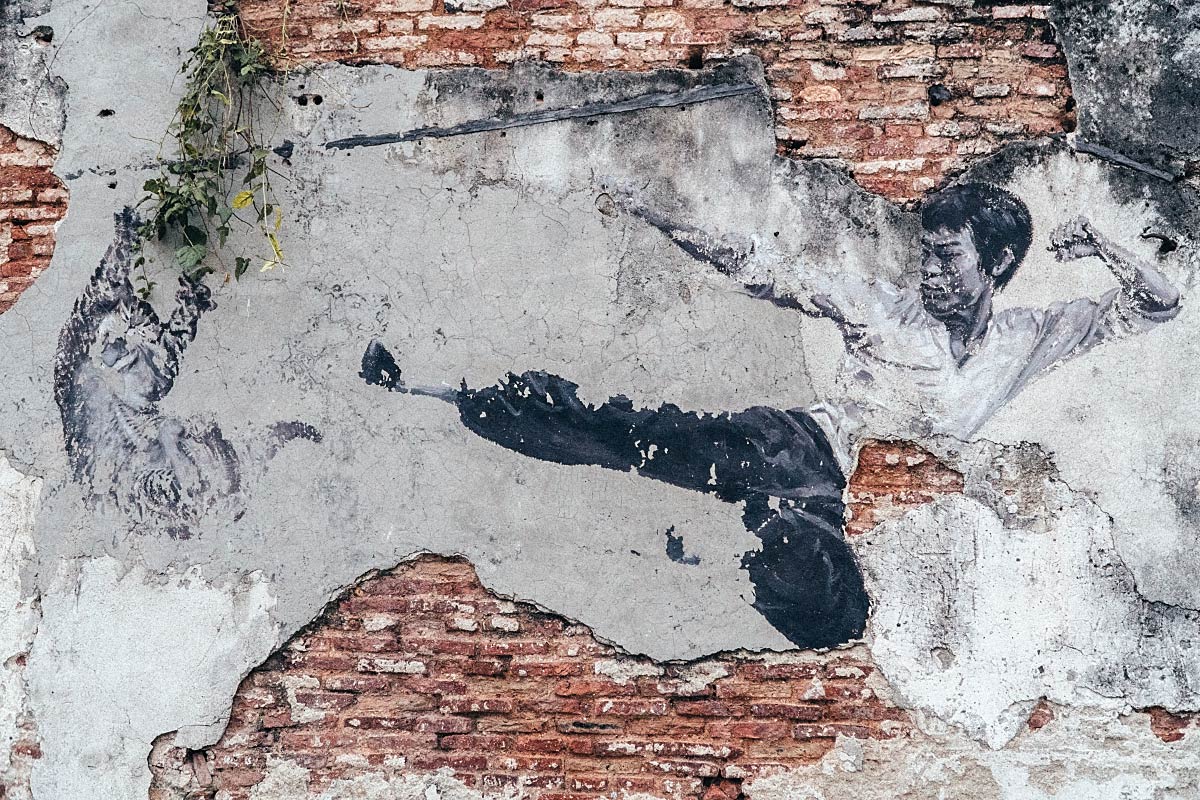
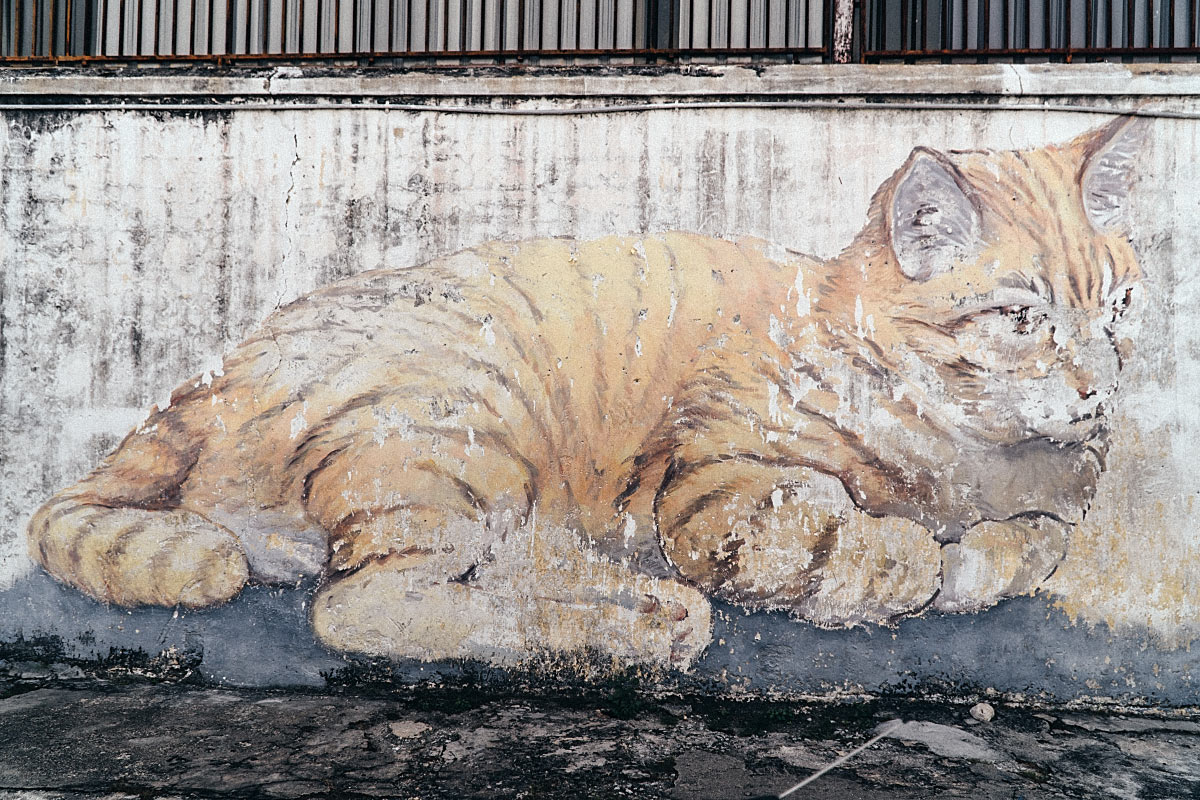
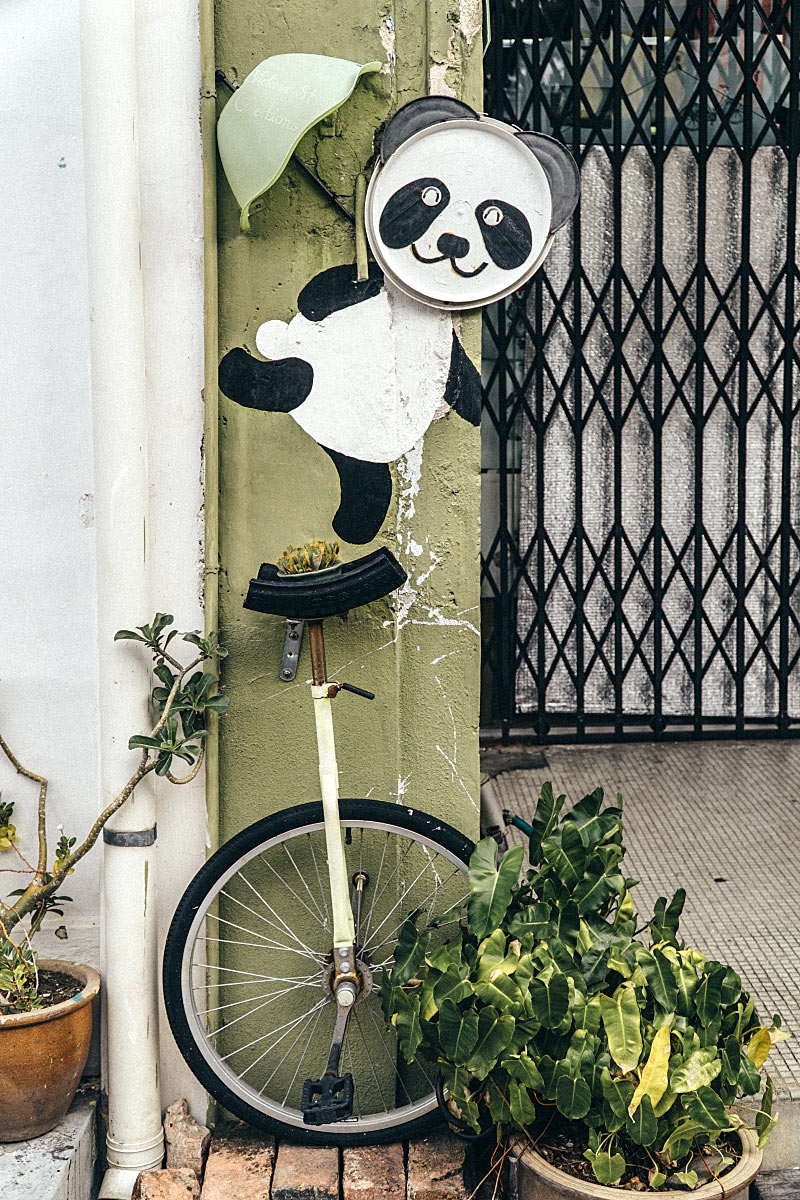
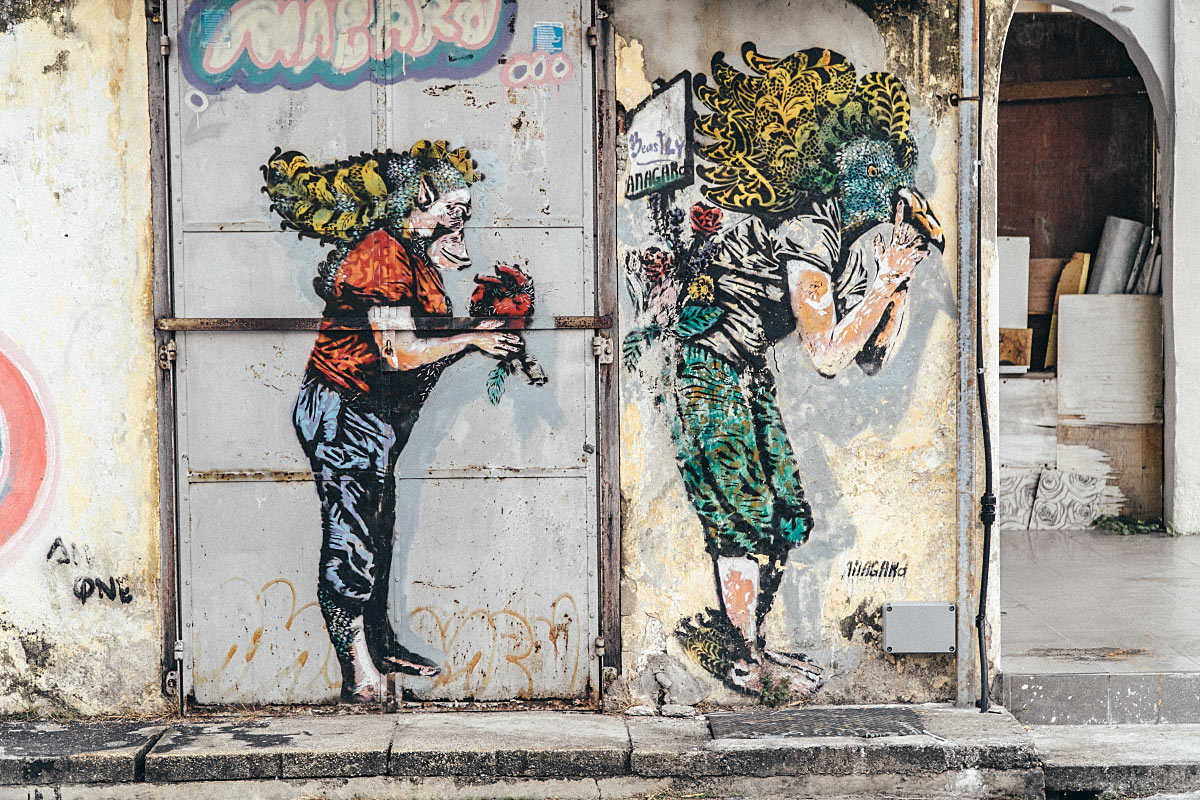
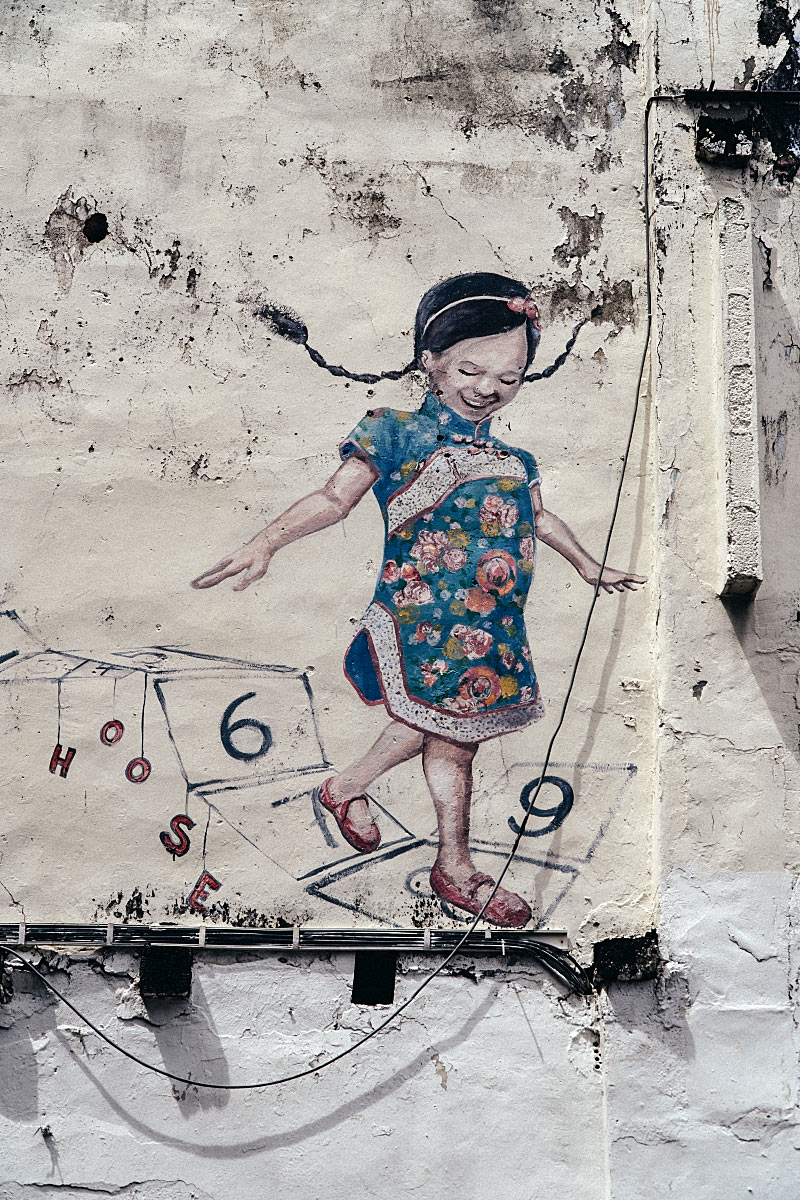
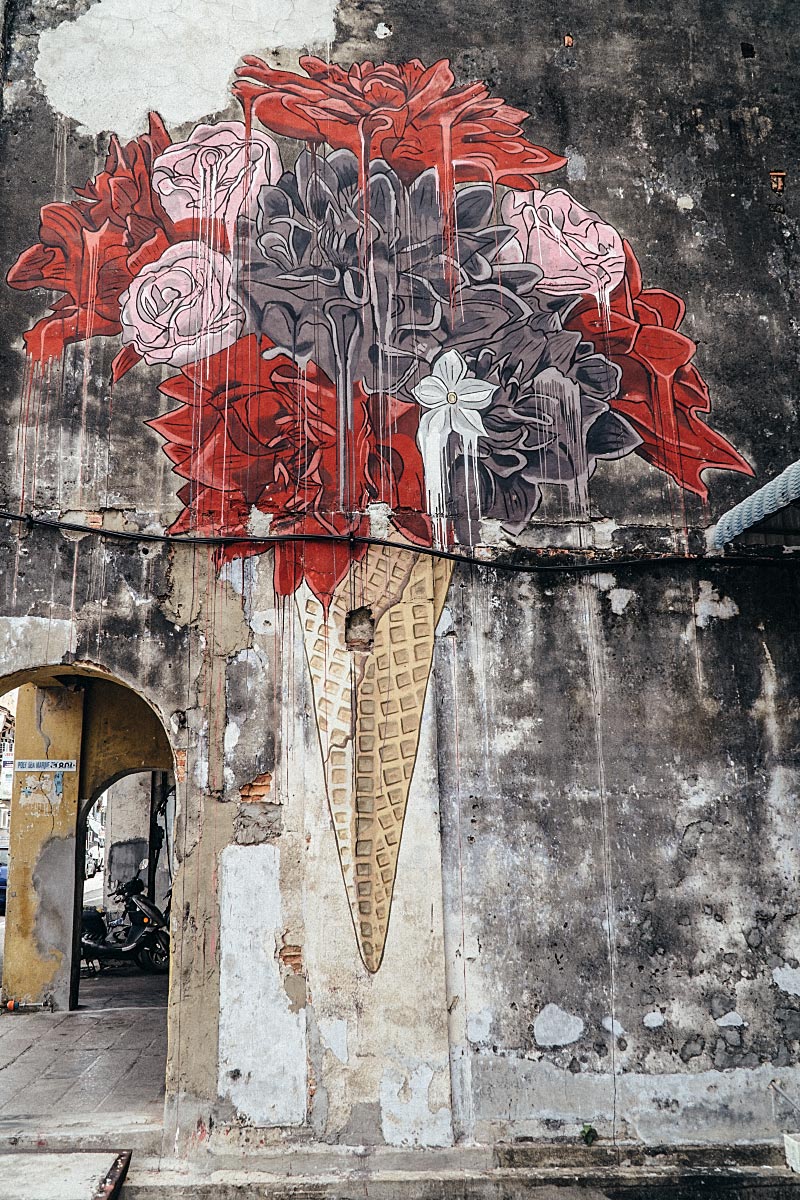
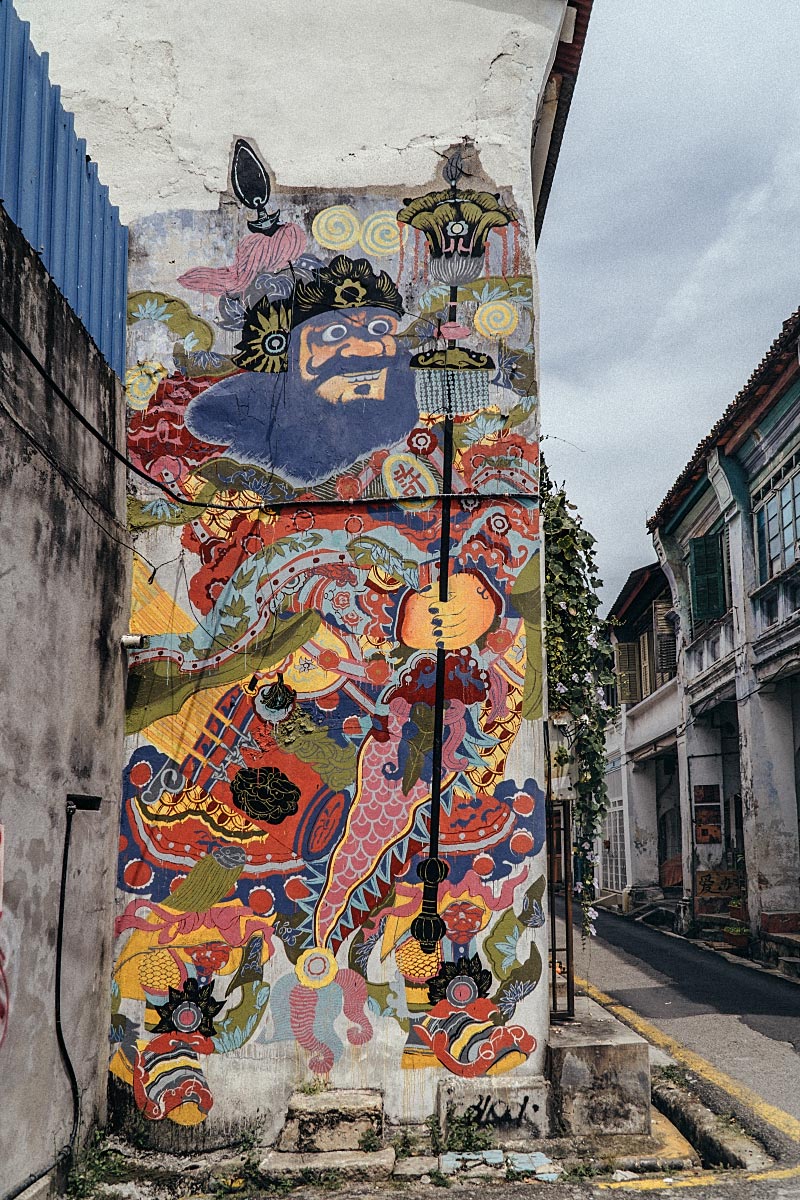
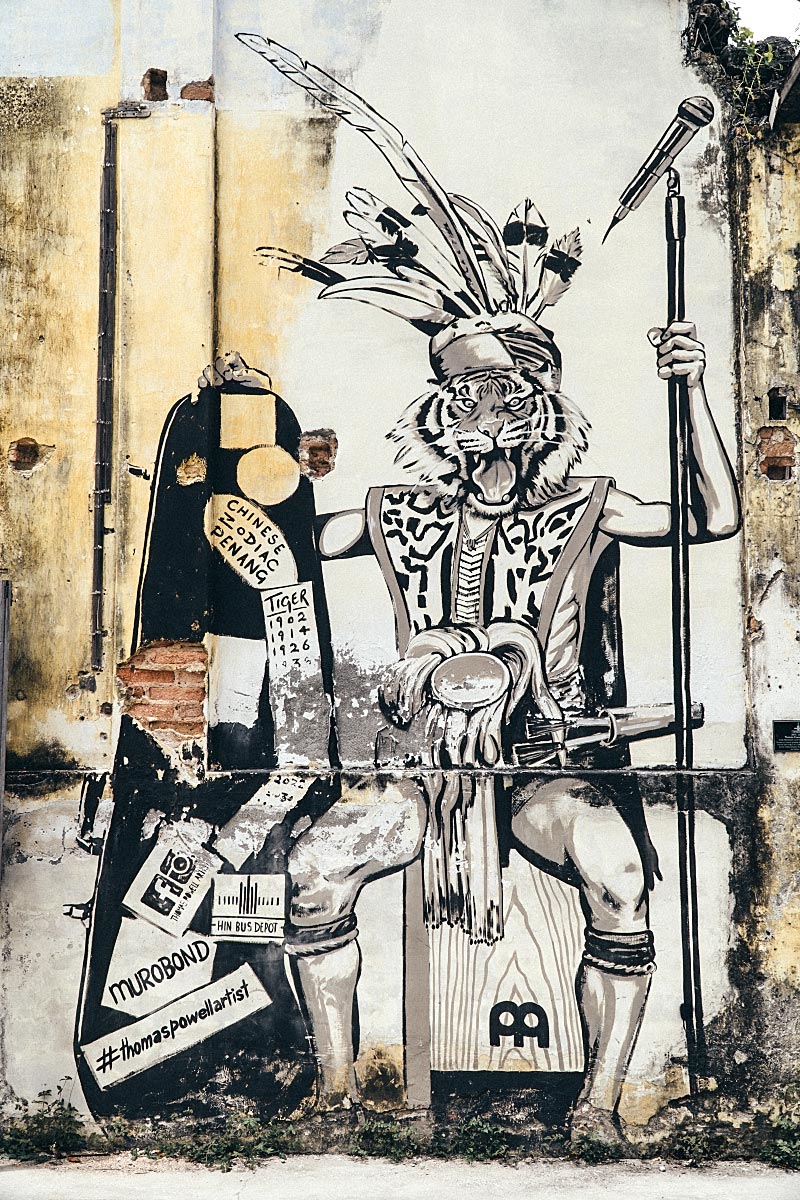
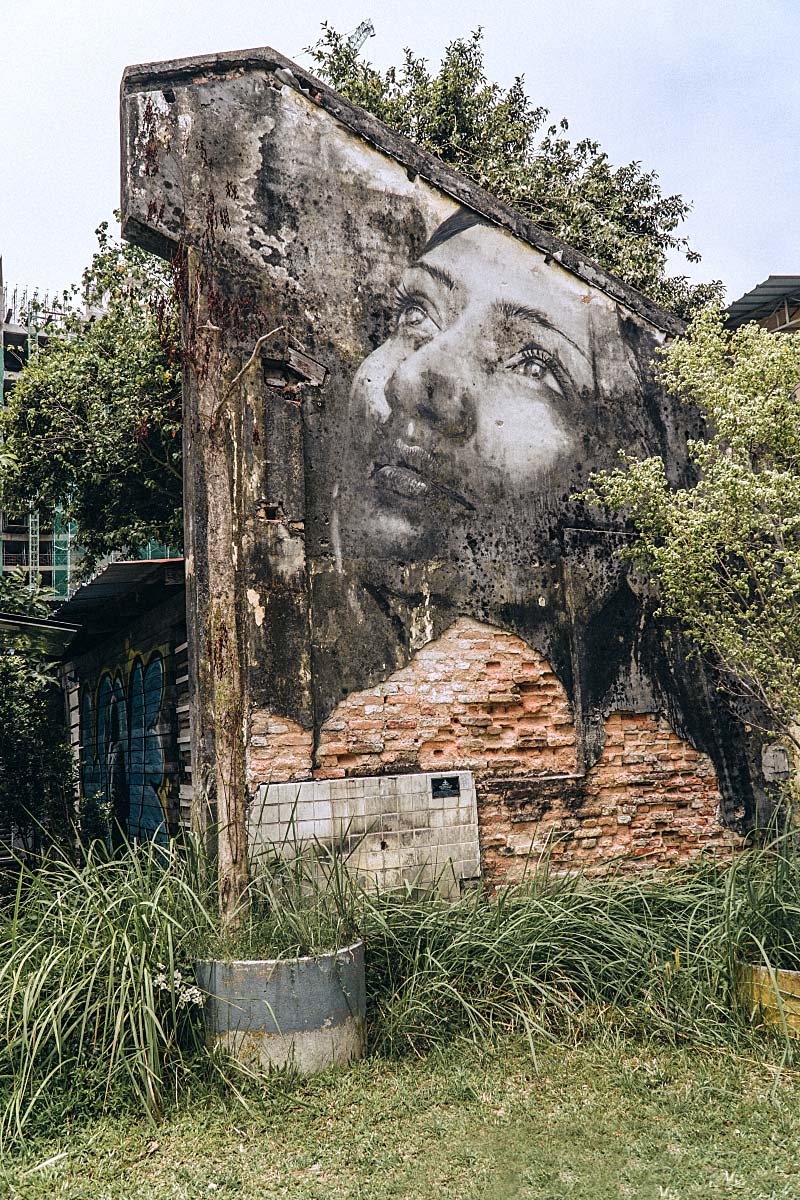
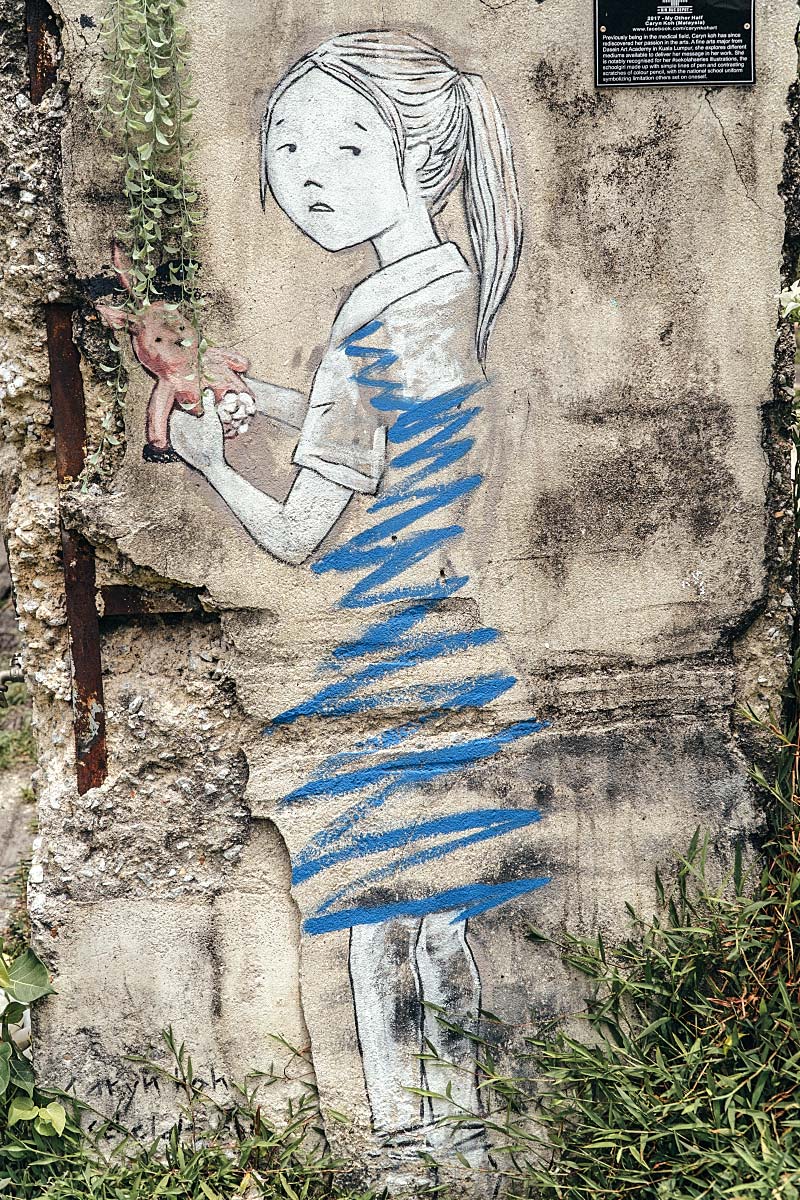
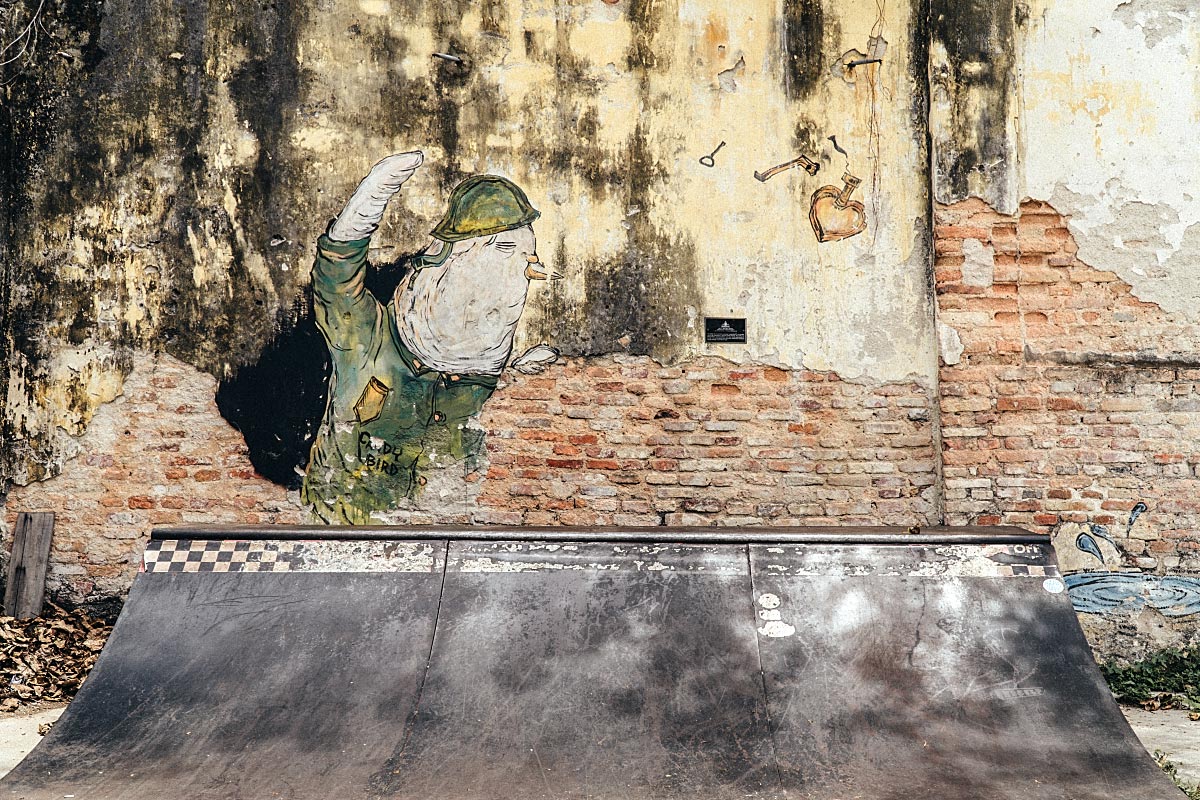
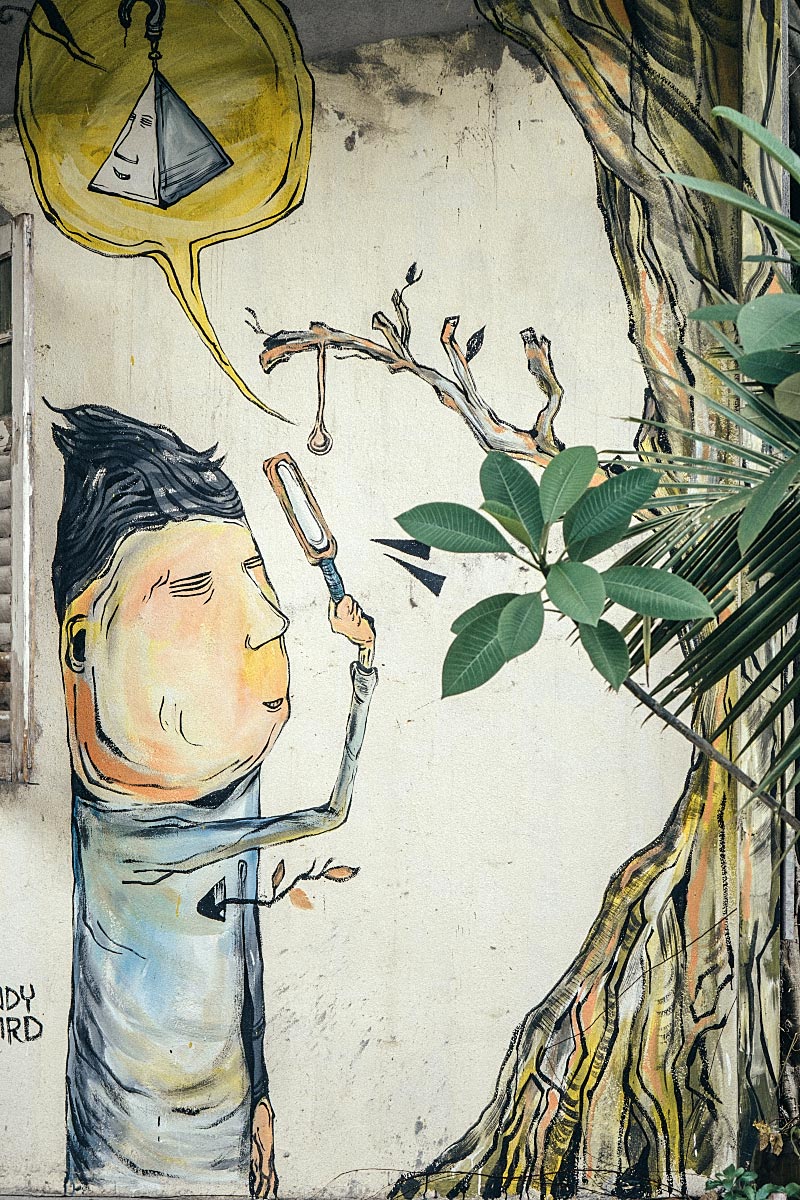
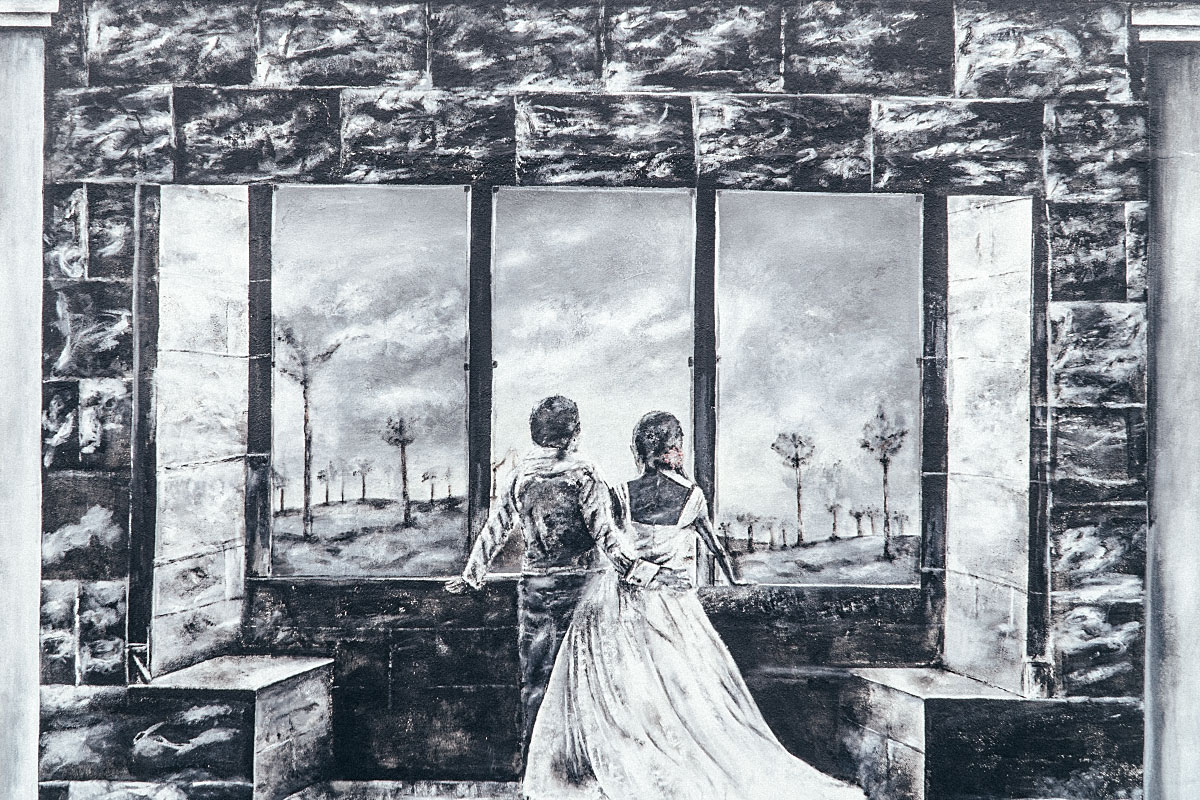
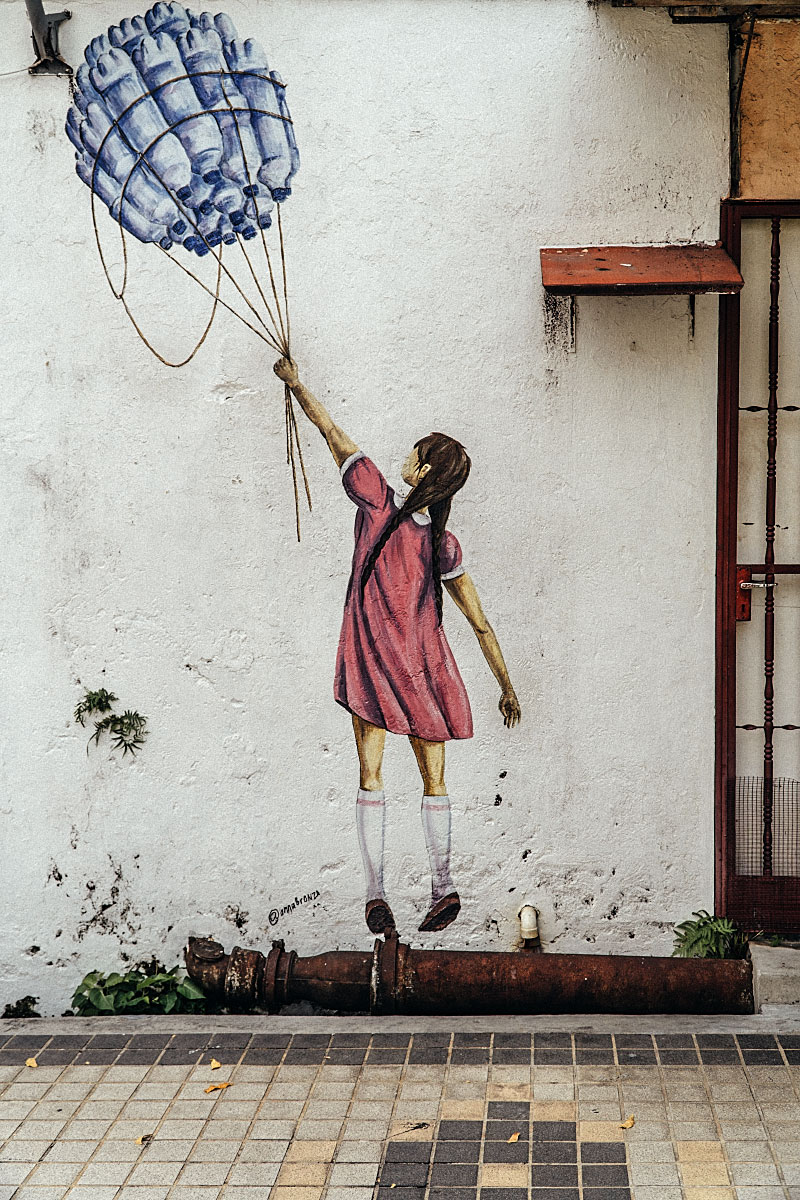
These additional photographs show the range of work I came across, from large portraits and playful objects to faded drawings almost disappearing into the brickwork. Several artists are represented. I have kept descriptions literal where I could not confidently identify a title or creator.
Select a photograph to enlarge it. Use the arrows to browse and Escape to close.


Seeing the Murals for Yourself
For planning a walk, start with the street art information and map linked by Tourism Malaysia. Treat any map as a starting point: an outdoor painting may look different from its photograph. Keep doorways and the road clear, and avoid touching or climbing on artwork unless the site explicitly allows it.
Give yourself room to look between the well-known stops. Some of my favorite photographs came from details that would be easy to overlook while following a list. When you want a break, our guide to cafés in Penang gives the walk another direction.
What stayed with me was the connection between the work and its surface: an expression across broken plaster, a painted body beside a real object, a small scene almost lost in the wall. That is what I wanted to keep in these photographs.
George Town Street Art FAQ
Is it George Town or Georgetown?
George Town is the official spelling of Penang’s capital. Georgetown is also widely used in searches and older travel writing.
Who painted the street art in George Town?
Many artists contributed. Ernest Zacharevic created murals for the 2012 George Town Festival; other contributors include Julia Volchkova and Penang artist Louis Gan. The photographs here show work by several artists.
Where can I find a Penang street art map?
Tourism Malaysia’s George Town arts and murals page links to a street art map from Penang Global Tourism. Use it to plan your walk, allowing for changes to the artworks.
Can I still see all the artworks in these photographs?
This photo essay records an earlier visit. Outdoor murals can weather, change, be restored, or disappear, so I cannot promise that every photographed work remains in the same condition.
Sources and Further Reading
Sources for the artist background and walking information
- Ernest Zacharevic: Georgetown Festival 2012, the artist’s account of the project.
- Tourism Malaysia: George Town’s Arts and Murals, artist background and access to a street art map.
- Penang Global Tourism: Wall Murals, context on the different artists working in Penang.
The photographs and personal interpretations are Ian’s. Historical background was checked separately in October 2026; individual mural conditions were not checked on location.

You might also like


