• Home
  • FOOD AND DRINK
    • AFTERNOON TEA
    • RESTAURANTS
    • BARS
    • SPECIAL INGREDIENTS
  • OUTSTANDING HOTELS
    • HISTORY OF HOTELS
    • HOTEL REVIEWS
    • SPAS
  • TRAVEL
  • PHOTO-VIDEO-ART
    • FOOD PHOTOGRAPHY
    • Photo Essays
    • Black And White
    • Fashion
    • ARCHITECTURE PHOTOGRAPHY
  • CONTACT US
  • ABOUT US
  • Tags

    afternoon tea Art Asia Bangkok Bar Buffet cambodia cocktail cocktails coffee confession Europe food food photography gallery Hanoi heritage hotel High tea History Hoi An Hotel hotel review Hotels JRE Kuala Lumpur Malaysia Melaka Michelin nature Penang photography Restaurant review Romantic getaway Siem Reap Singapore Slovenia spirit Thailand the best travel travel idea Travel story Vietnam YTL
  • Follow Us

Wild 'n' Free Diary - travel food drink hotel review art photography
  • Home
  • FOOD AND DRINK
    • RESTAURANTS
    • AFTERNOON TEA
    • BARS
    • SPECIAL INGREDIENTS
  • OUTSTANDING HOTELS
    • HOTEL REVIEWS
    • SPAS
    • HISTORY OF HOTELS
  • TRAVEL
  • PHOTO-VIDEO-ART
    • FOOD PHOTOGRAPHY
      • FOOD PHOTOGRAPHY VOL.1: FOOD IN PIXELS
      • FOOD PHOTOGRAPHY VOL.2: PEOPLE PROVIDE FOOD
      • FOOD PHOTOGRAPHY VOL.3: BLACK AND WHITE
      • FOOD PHOTOGRAPHY VOL.4: LET ME HELP
      • Food Photography Vol.5: Sweet
      • Food Photography Vol.6: Stack Up
      • Food Photography Vol.7: Sunday Brunch
      • FOOD PHOTOGRAPHY VOL. 8: STUDIO
      • Food Photography Vol.9: Harsh Sun
      • Cocktail Photography Vol. 1: Get The Party Started
      • Cocktail Photography vol.2: Into The Details
    • Photo Essays
      • A Secret Beach on the Adriatic Coast: Between Stone and Sea
      • Arrogance Is The Real Pandemic Photo Essay
      • Photoreport: Bee Hive Bus
      • Wintertime in Vienna – Photo Essay
      • Photo essay: ROCK SHELLS PICKING IN VIETNAM
      • PHOTOREPORT: Singapore through my lens
      • Photo Essay: I Love Plants
      • Photo Essay: Children of Asia
      • Seaside Photography Vol. 1 – Wave After Wave
      • Seaside Photography Vol. 2 – Salt
      • Walking Through Venice – Photo Essay
      • Photo Essay: Pine Forest Walk
    • Fashion
      • Hoi An Dress Shooting Vol. 1
      • HOI AN FASHION SHOOTING VOL. 2
      • Shipwreck Fashion Photography Gallery
      • WALKING AROUND IMPERIAL CITY OF HUE
    • Black And White
      • Black and white photography Vol.1
      • Black and White Photography Vol.2
      • Black And White Vol. 3: Let’s Get Deep Into Shades
      • Black And White Vol. 4: Uncertain Times
      • Black And White Vol. 5: Garden Delights
      • KURENT IN BLACK AND WHITE
    • ARCHITECTURE PHOTOGRAPHY
      • Architecture Photography Gallery Vol. 1
      • ARCHITECTURE PHOTOGRAPHY GALLERY VOL. 2
      • ARCHITECTURE PHOTOGRAPHY GALLERY VOL. 3
  • ABOUT US
  • CONTACT US

Gula Melaka: Taste, Ingredients, Uses and Health Facts

May 1, 2018

Gula melaka is a Malaysian palm sugar traditionally made from coconut flower sap, with a caramel flavor that gives it a useful role in desserts and drinks. We discovered it in Melaka, where it changed the way I thought about sugar as an ingredient. White sugar contributes sweetness; the gula melaka we tried brought butterscotch, coffee, and a little smoke into the same spoonful. That is why I like cooking with it. The attraction is flavor, and the old idea that this makes it a much healthier sweetener needs a closer look.

Contents

  • What Is Gula Melaka Made Of?
    • Gula Melaka, Coconut Sugar, and Other Palm Sugars
    • How to Choose Pure Gula Melaka
    • How Gula Melaka Is Made
  • What Does Gula Melaka Taste Like?
  • Is Gula Melaka Healthy?
    • Gula Melaka Glycemic Index: Why GI 35 Is Not a Universal Value
    • Gula Melaka Nutrition Facts and Calories
  • What Can You Do With Gula Melaka?
    • Gula Melaka in Cocktails and Coffee
  • Conclusion
  • Gula Melaka Buying and Cooking Notes
  • Frequently Asked Questions About Gula Melaka
    • Sources for Ingredient and Nutrition Information
Block of gula melaka palm sugar
Gula melaka in block form, ready to be shaved, chopped, or dissolved.

What Is Gula Melaka Made Of?

Traditional gula melaka comes from the sap of the coconut palm’s flower stalks, not from the coconut itself. The sap is concentrated into sugar, which can be sold as blocks, granules, or syrup. The Singapore Botanic Gardens’ guide to palm sugars identifies coconut sugar as gula melaka in Malaysia and Singapore and explains how other palm species produce their own sugars.

Gula Melaka, Coconut Sugar, and Other Palm Sugars

Coconut sugar and gula melaka can share the same botanical source. Their names alone do not promise an identical product: a bag of dry granules and a moist block may behave differently in a recipe. Palm sugar is the broader category. Sugar from the Arenga pinnata palm, for example, is also a traditional ingredient, commonly called gula aren in Indonesia. A different palm sugar is not automatically a counterfeit; the useful question is whether the label accurately tells you what you are buying.

How to Choose Pure Gula Melaka

If you want the coconut palm sugar described here, read the ingredients and look for coconut palm sap without added cane sugar. Some manufacturers sell blends, so check their description before choosing a packet. A rich aroma may tell you that you will enjoy the flavor, but it does not establish purity. Neither a dark color nor a soft texture can replace an ingredient list. For an unpackaged block, ask the seller what it contains and who made it.

Sign referring to coconuts
The coconut palm supplies the flower sap used to make traditional gula melaka.

How Gula Melaka Is Made

The basic process is to collect the sap and heat it until enough water has evaporated to produce a concentrated sugar. It can then be poured into molds to set. Traditional blocks are often associated with cylindrical molds, while modern producers also sell cubes, powder, and ready-made syrup. Color and consistency vary with the product and processing. We would choose a form to suit the recipe, then judge its flavor by tasting it, without assuming that the darkest or hardest block must be the best.

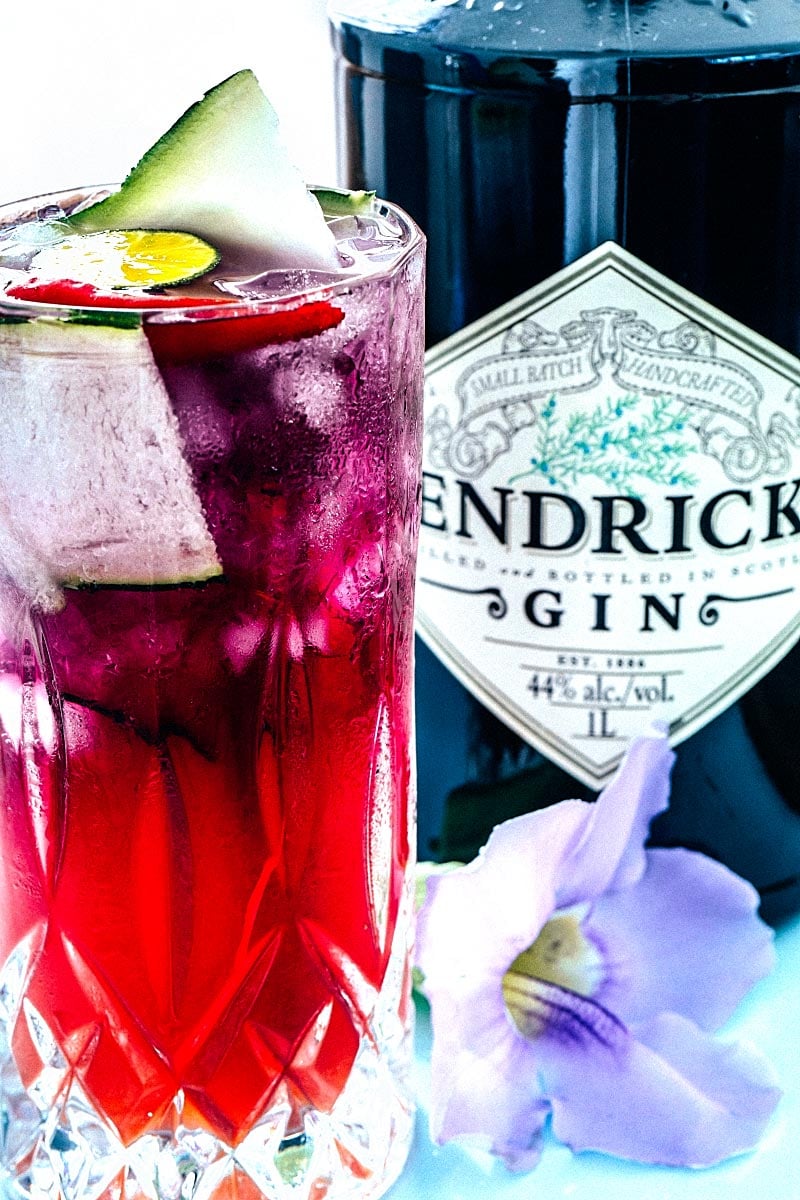
Hendrick’s gin Unicorn Cocktail made with gula melaka
Gula melaka also found its way into our homemade gin cocktail.

What Does Gula Melaka Taste Like?

The gula melaka we tried had deep caramel and butterscotch flavors, followed by coffee and smoky notes. Its aroma reminded me of roasted nuts, and the taste had hints of chocolate, almond, and fruit. Those layers were what made it memorable. A spoonful could contribute something recognizable to a dessert, especially alongside coconut. Different batches and brands will have their own balance, so these are our tasting impressions, not a promise that every block will taste exactly the same.

Coconut ice cream served with gula melaka
Coconut ice cream was one of our favorite ways to enjoy its caramel flavor.

Is Gula Melaka Healthy?

Gula melaka is still an added sugar, even when it comes from palm sap and is sold as a traditional or natural product. That matters more nutritionally than its color or reputation. The World Health Organization’s healthy-diet guidance recommends limiting free sugars, including sugars added by a cook or consumer. We choose gula melaka because we enjoy its taste, without treating it as a health food or a remedy for infections.

Gula Melaka Glycemic Index: Why GI 35 Is Not a Universal Value

A GI of 35 should not be presented as an established value for every gula melaka product. The University of Sydney’s Glycemic Index Research Service reported a GI of 54 for one tested coconut sugar. That result belongs to that product, and it should not become a new blanket figure for every brand.

Gula Melaka Nutrition Facts and Calories

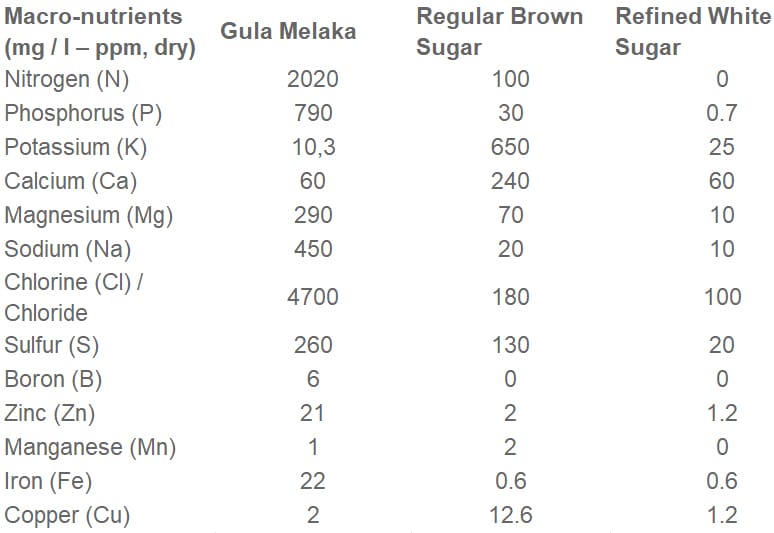
For calories, carbohydrate, and sugar content, use the nutrition label on the packet you buy. The coconut sugar tested by the University of Sydney supplied 16 calories per 5-gram serving. This is a product-specific example, not a complete nutrition profile for gula melaka. The historical mineral chart below is retained from the original article; it does not tell you the nutrition of your particular block or establish a health benefit.

Historical chart comparing mineral content in three edible sugar sources
Historical mineral comparison reproduced in the original article, credited there to “Comparison of the Elemental Content of 3 Sources of Edible Sugar” (MI Secretaria et al., 2003; PCA-TAL analysis dated September 11, 2000). This is not a product nutrition label, and the underlying report has not been independently verified for this update.

What Can You Do With Gula Melaka?

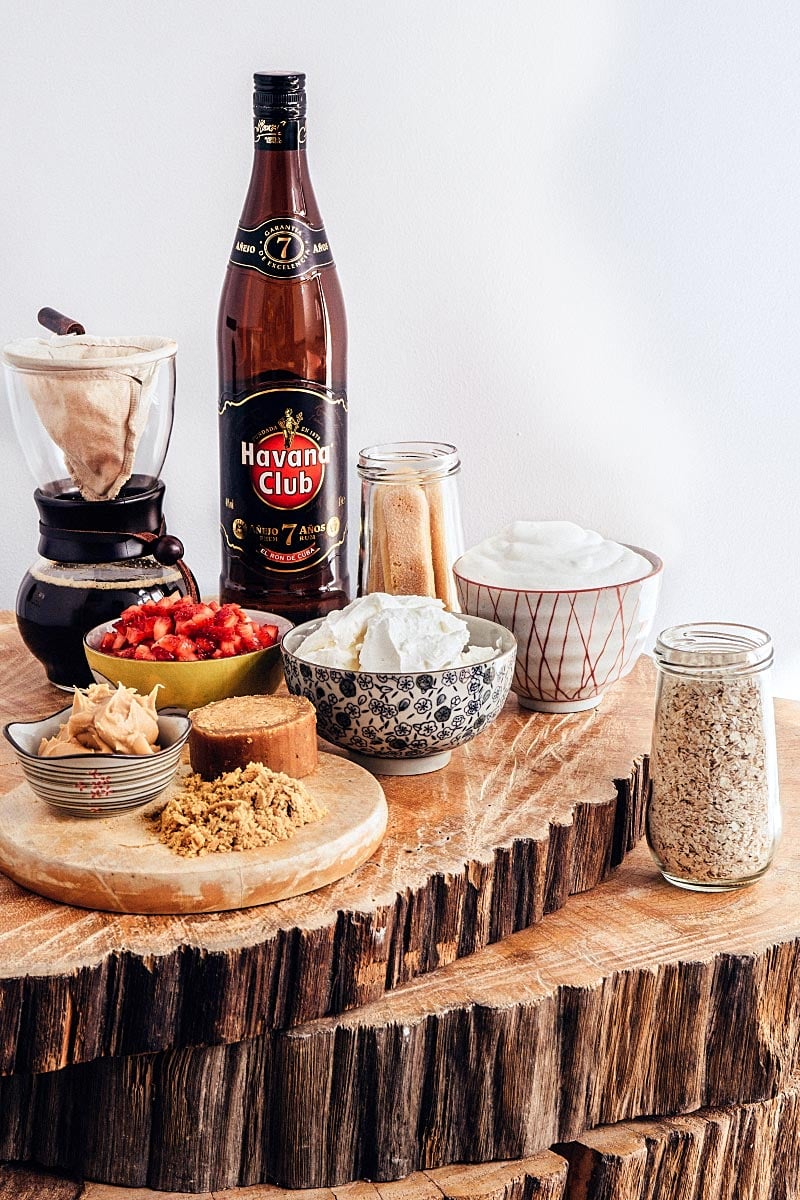
Gula melaka works well where its caramel character belongs in the finished dish: coconut desserts, puddings, ice cream, and drinks are useful starting points. In Malaysian cooking, familiar examples include sago gula melaka and cendol. At home, we used it in our egg-free tiramisu and strawberry-peanut dessert. It also makes a flavorful topping for waffles or pancakes. Start with a small amount and taste as you go, since the sugar will change the flavor as well as the sweetness.

Egg-free tiramisu prepared with gula melaka
Our egg-free tiramisu was another excuse to bring gula melaka into the kitchen.
Gula melaka mousse at Kebaya Dining Room in Penang
We also enjoyed gula melaka mousse at Kebaya Dining Room, whose cooking gave us another view of Nyonya flavors in Penang.

Gula Melaka in Cocktails and Coffee

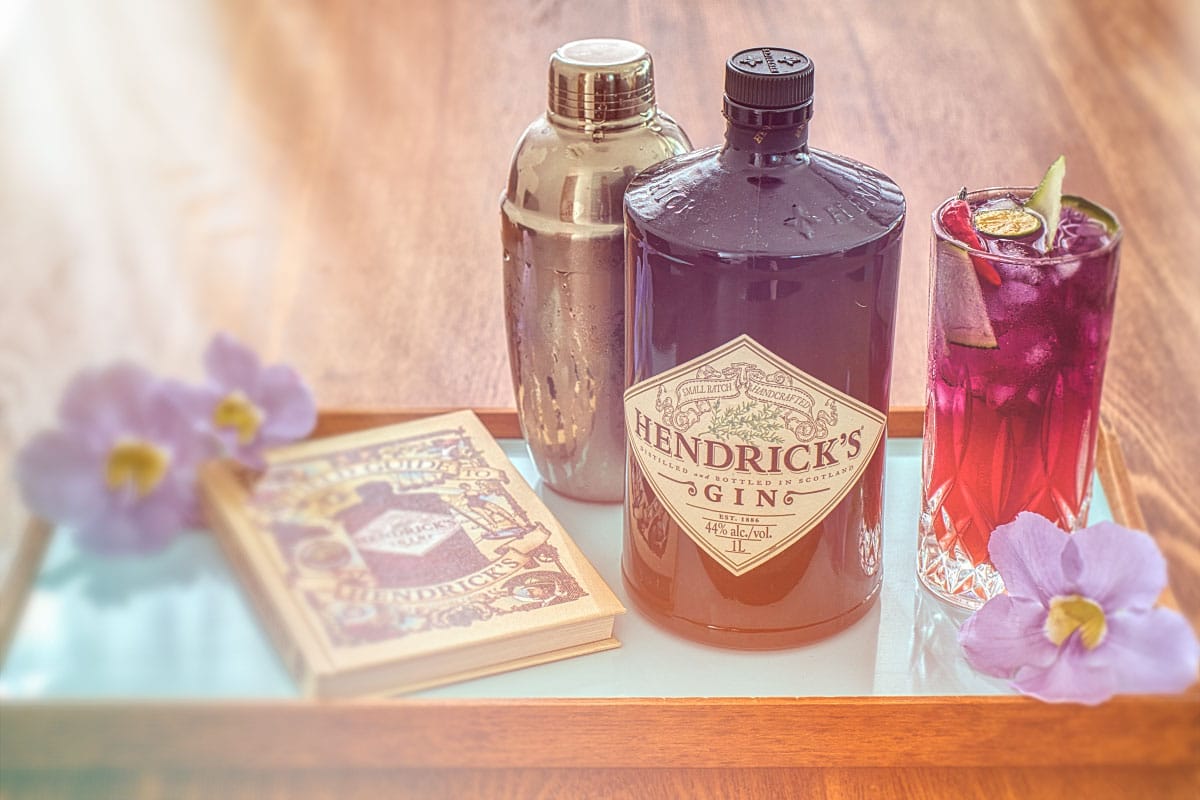
For cocktails or coffee, a syrup is easier to work with than a hard block. Chop or shave the sugar, warm it gently with a little water, and stir until it dissolves. Let it cool before adding it to a cold drink, adjusting the amount to suit the syrup’s concentration and your recipe. We used gula melaka in our Unicorn Cocktail and liked the depth it added. I also enjoy it with coconut ice cream, where its coffee and caramel notes have room to stand out.

Homemade Unicorn Cocktail with Hendrick’s gin and gula melaka
Our Unicorn Cocktail recipe shows how we used gula melaka in a gin drink.

One of our strongest food memories from Melaka was the coconut ice cream at Wild Coriander. That experience sits naturally alongside the city’s Peranakan and Nyonya cooking traditions, where ingredients such as coconut and palm sugar have a place in the broader food story. For a different perspective on the ingredients behind local cooking, our visit to Pasar Besar Melaka wet market takes you away from the restaurant table and into the city’s everyday shopping.


Conclusion

Gula melaka remains one of the most interesting sugars I have tried, especially for coconut desserts and drinks that welcome a caramel or smoky note. We are modest sugar consumers if cakes, cocktails, and cookies are allowed to disappear from the accounting. When we do make something sweet, this is an ingredient we enjoy using for the flavor it contributes. Buy a clearly labeled product, taste it before cooking, and give it a recipe where that character is useful.


Gula Melaka Buying and Cooking Notes

DetailInformation checked in October 2026
IngredientTraditional Malaysian coconut palm sugar
Forms availableBlocks, cubes, granules or powder, and syrup
Before buyingCheck the ingredients for added cane sugar and read the producer’s description.
For cold drinksDissolve a block into syrup before mixing it into the drink.
Our favorite pairingCoconut ice cream
Nutrition informationUse the label on your own product; generic GI and mineral charts do not describe every brand.

Frequently Asked Questions About Gula Melaka

What is gula melaka made of?

Traditional gula melaka is made by concentrating sap from the coconut palm’s flower stalks. It is not made from coconut flesh or coconut milk. Check the ingredient list, since some products contain added cane sugar.

Is gula melaka the same as coconut sugar?

Both can come from coconut palm sap. Gula melaka is commonly associated with Malaysian cooking and sold in blocks or syrup, while coconut sugar is often sold as granules. Processing and formulation can give them different flavors and textures.

What does gula melaka taste like?

The gula melaka we tried had caramel and butterscotch flavors with coffee, roasted-nut, and smoky notes. The intensity varies between products, so it is worth tasting a little before adding it to a dessert or drink.

Is gula melaka healthier than white sugar?

Gula melaka is still an added sugar. Its flavor and possible mineral content do not make it a health food or a reason to increase sugar intake. We choose it for its taste.

What is the glycemic index of gula melaka?

A single GI figure cannot be assumed for every product. Look for testing of the actual sugar you buy, and do not treat a general low-GI claim as a guarantee.

How many calories does gula melaka contain?

No single calorie count covers every block, granulated sugar, or syrup. Use the product’s nutrition label and measure your serving to work out how much it contributes.

How can you tell pure gula melaka from a blend?

Start with the ingredients and the producer’s description. If you want pure coconut palm sugar, look for coconut palm sap without added cane sugar. Color, aroma, and hardness alone cannot confirm the ingredients.

Sources for Ingredient and Nutrition Information

View All Sources & References
  • Singapore Botanic Gardens, Gardenwise, March 2026: “The Diversity of Palm Sugars.”
  • University of Sydney, GI News, May 2014: results for one tested coconut sugar.
  • World Health Organization, Healthy Diet: guidance on free sugars.
AsiaingredientsMalaysiaMelaka
Share

SPECIAL INGREDIENTS

Vivi
A culinary enthusiast who is prone to writing. She loves discovering new flavors, spiced with cultural differences. The fear of the unknown does not stop her exploring and learning new things.

You might also like

Pasar Besar Melaka: A Morning Inside the City’s Local Wet Market
September 17, 2026
Mother of Pearl Inlay in Vietnam: The Craft Behind the Shine
December 8, 2025
Best Banh Mi in Ho Chi Minh City: 7 Saigon Spots We Tried
July 29, 2025
  • Categories

    • AFTERNOON TEA
    • ARCHITECTURE PHOTOGRAPHY
    • BARS
    • BLACK AND WHITE
    • FASHION
    • FOOD AND DRINKS
    • FOOD PHOTOGRAPHY
    • HISTORY OF HOTELS
    • HOTEL REVIEWS
    • OUTSTANDING HOTELS
    • PHOTO ESSAY
    • PHOTO-VIDEO-ART
    • RESTAURANTS
    • SPAS
    • SPECIAL INGREDIENTS
    • TRAVEL
    • XYZ
  • FOLLOW US

  • Tags

    afternoon tea Art Asia Bangkok Bar Buffet cambodia cocktail cocktails coffee confession Europe food food photography gallery Hanoi heritage hotel High tea History Hoi An Hotel hotel review Hotels JRE Kuala Lumpur Malaysia Melaka Michelin nature Penang photography Restaurant review Romantic getaway Siem Reap Singapore Slovenia spirit Thailand the best travel travel idea Travel story Vietnam YTL
  • Archives

    • October 2026
    • September 2026
    • August 2026
    • April 2026
    • March 2026
    • December 2025
    • November 2025
    • October 2025
    • July 2025
    • May 2025
    • April 2025
    • February 2025
    • January 2025
    • September 2024
    • July 2024
    • April 2024
    • February 2024
    • November 2023
    • May 2023
    • April 2023
    • March 2023
    • February 2023
    • January 2023
    • December 2022
    • November 2022
    • October 2022
    • September 2022
    • August 2022
    • July 2022
    • May 2022
    • April 2022
    • March 2022
    • February 2022
    • January 2022
    • December 2021
    • November 2021
    • October 2021
    • September 2021
    • August 2021
    • July 2021
    • June 2021
    • May 2021
    • April 2021
    • March 2021
    • February 2021
    • January 2021
    • December 2020
    • November 2020
    • October 2020
    • September 2020
    • August 2020
    • July 2020
    • June 2020
    • May 2020
    • April 2020
    • March 2020
    • February 2020
    • January 2020
    • December 2019
    • November 2019
    • October 2019
    • September 2019
    • August 2019
    • July 2019
    • June 2019
    • May 2019
    • April 2019
    • March 2019
    • February 2019
    • January 2019
    • December 2018
    • November 2018
    • October 2018
    • September 2018
    • August 2018
    • July 2018
    • June 2018
    • May 2018
    • April 2018
    • March 2018
    • February 2018
    • January 2018
    • December 2017


  • Please verify that you are human.

  • Recent Posts

    • Fine-Dining Wine Etiquette: What If You Don’t Like the Wine?
      October 26, 2026
    • A Secret Beach on the Adriatic Coast: Between Stone and Sea
      October 22, 2026
    • Dietary Restrictions at Fine-Dining Restaurants: How to Tell the Kitchen Without Ruining the Experience
      October 1, 2026
  • Popular Posts

    • Mandarin Oriental Bangkok Hotel
      February 15, 2019
    • Four Seasons KL Review
      March 30, 2019
    • Majestic Hotel KL
      October 12, 2018

© Copyright Wild 'n' Free Diary Cookie settings Policy Page

This website uses cookies to improve your experience. We'll assume you're ok with this, but you can opt-out if you wish. The button is on the bottom of the page. Cookie settingsACCEPT
Privacy & Cookies Policy

Privacy Overview

This website uses cookies to improve your experience while you navigate through the website. Out of these cookies, the cookies that are categorized as necessary are stored on your browser as they are as essential for the working of basic functionalities of the website. We also use third-party cookies that help us analyze and understand how you use this website. These cookies will be stored in your browser only with your consent. You also have the option to opt-out of these cookies. But opting out of some of these cookies may have an effect on your browsing experience.
Necessary
Always Enabled
Necessary cookies are absolutely essential for the website to function properly. This category only includes cookies that ensures basic functionalities and security features of the website. These cookies do not store any personal information.
SAVE & ACCEPT