










The Jim Thompson House Museum in Bangkok brings together six traditional teak houses, Asian art, and the story of the man who helped take Thai silk to an international audience. We spent around three months in Bangkok and still left with plenty of places unseen. This house was one I was glad we made time for. Its woodwork, garden, ceramics, and paintings give you several reasons to visit, even if Jim Thompson is only a name you recognize from a silk label. Here is what interested me about his home, the life behind it, and what to know when planning a visit today.
Contents

Who Was Jim Thompson?
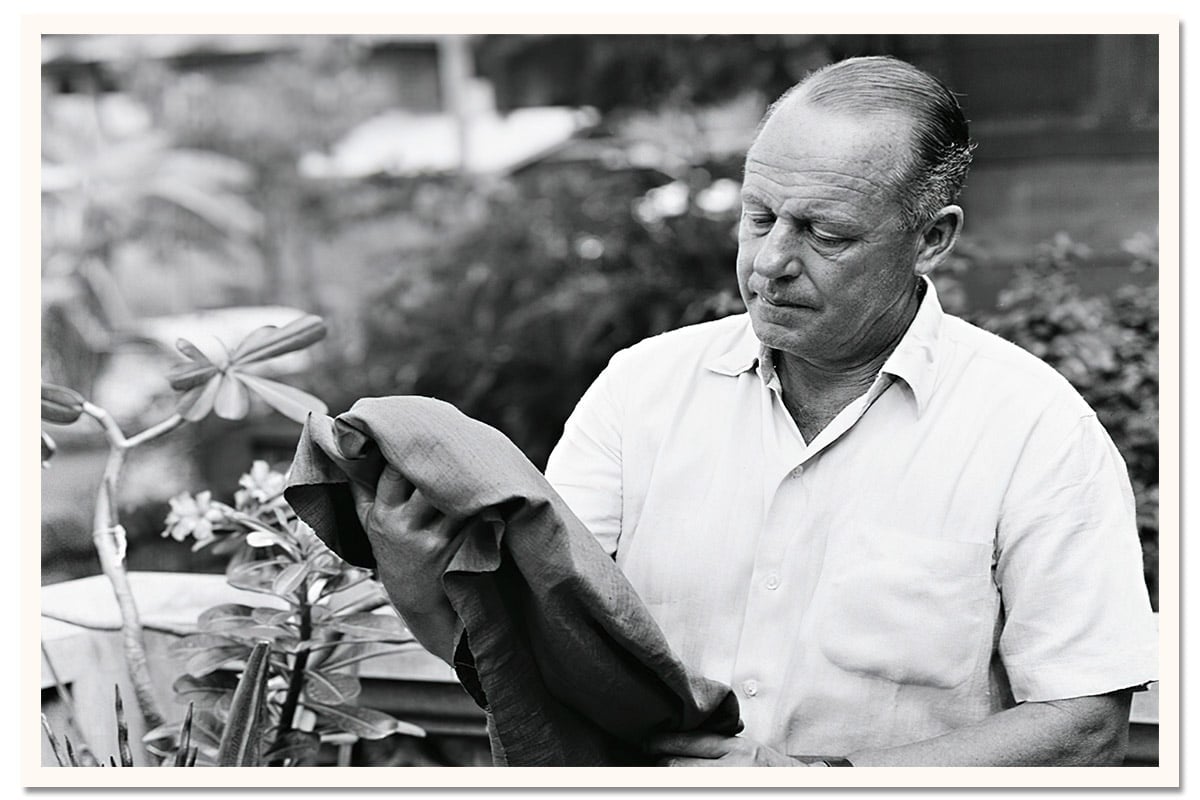
Jim Thompson was an American silk entrepreneur, art collector, and former intelligence officer who made Bangkok his home after World War II. His name kept turning up on our travels through Southeast Asia, often in places we already wanted to explore. Our history of the Mandarin Oriental Bangkok touches on his involvement in the Oriental Hotel. Later, while staying at Cameron Highlands Resort in Malaysia, we visited the bungalow associated with his last holiday. His Bangkok house brings another part of that story into view.

Source: businessdestinations.com

Source: businessdestinations.com
Jim Thompson’s Early Days
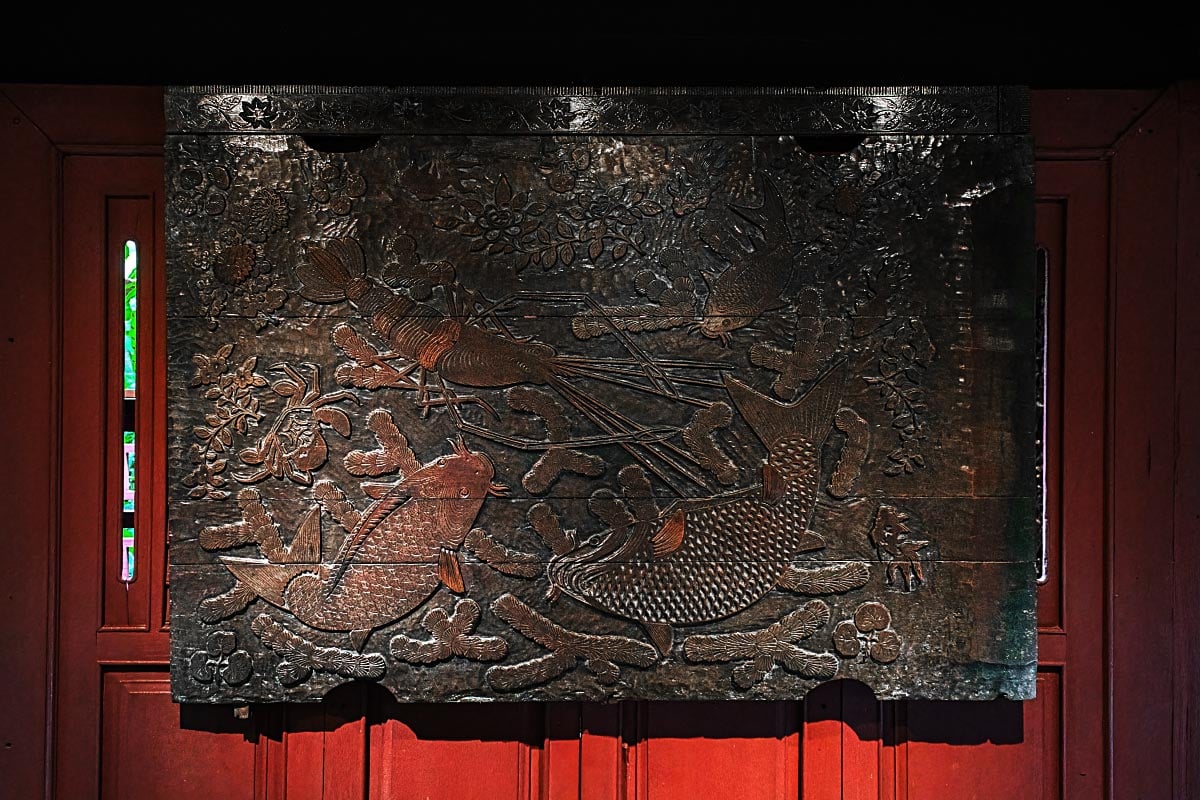
Born in Greenville, Delaware, in 1906, James Harrison Wilson Thompson trained in architecture and worked in New York before the war. That background helps explain why his Bangkok residence deserves attention as a building as well as a museum. He approached the house with an interest in how rooms, objects, and materials worked together. Looking around it, I found the carved wood and the combinations of color just as interesting as the individual antiques.


Wartime Intelligence Service
During World War II, Thompson served with the Office of Strategic Services, the American wartime intelligence organization that preceded the CIA. His service eventually brought him to Thailand near the end of the war, and he later chose to settle in Bangkok. That documented part of his life has helped fuel the fascination with his disappearance. It is also a reminder of how much happened before he became known for silk.


Did You Know?
His name also appears on the Jim Thompson Tea Room in Malaysia. We wrote about its afternoon tea in our Cameron Highlands Resort high tea review.
Bangkok and the Ban Krua Weavers
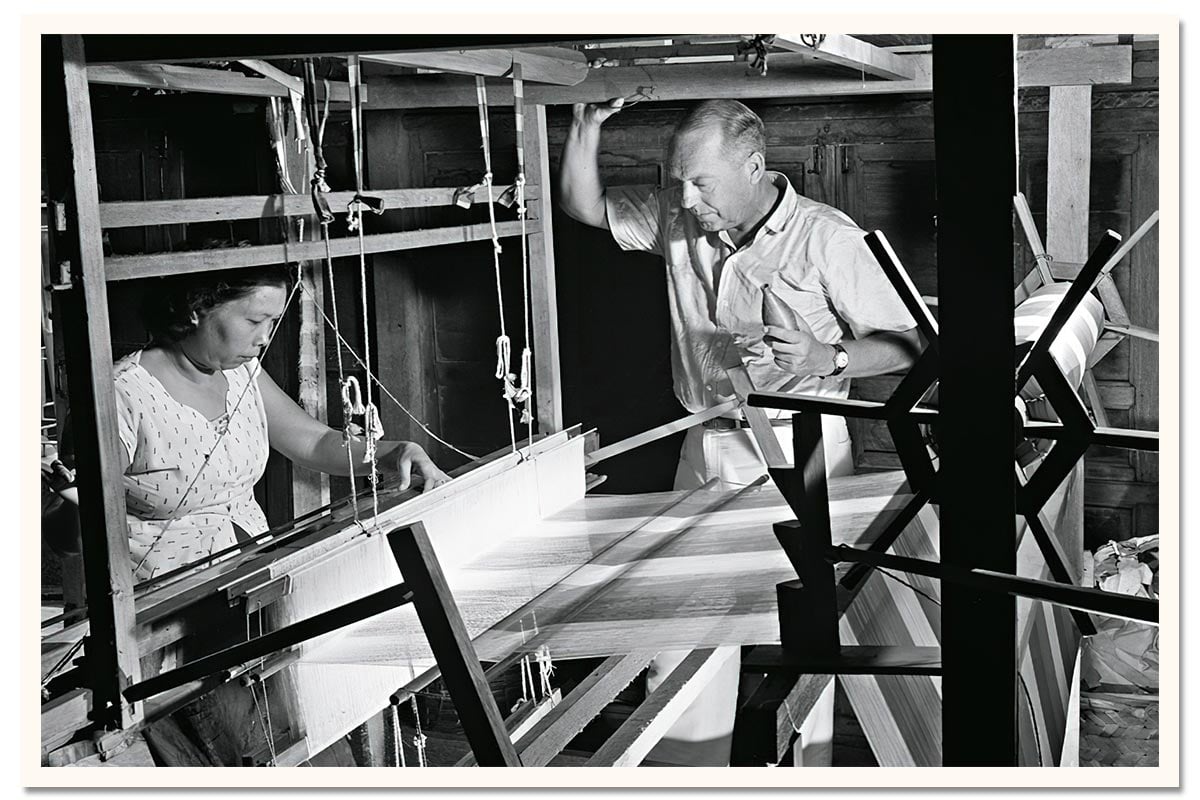
Thompson’s early Bangkok ventures included involvement in the Oriental Hotel, now the Mandarin Oriental Bangkok. Silk became the business most closely associated with him. His interest brought him into contact with the Ban Krua weaving community across the canal from the site of his future house. The relationship between that neighborhood and his home is an important part of the museum’s story.


The weavers of Ban Krua already had the skills and traditions on which the business depended. Thompson recognized an international market for their work and helped connect Thai silk with buyers abroad. Describing him as the man who invented Thai silk would miss the people who made it. What interested us was the combination of local craftsmanship and his eye for presenting color, texture, and design to a wider audience.


The Thai Silk Company
Through the Thai Silk Company, Thompson helped make the fabric familiar to international designers and customers. Its association with The King and I became one of the better-known chapters in that success. The business also gave him the means to pursue his interest in Southeast Asian art. At the house, these interests sit close together: textiles, architecture, sculpture, and the pleasure of arranging objects in rooms intended for everyday life.


Inside the Jim Thompson House Museum
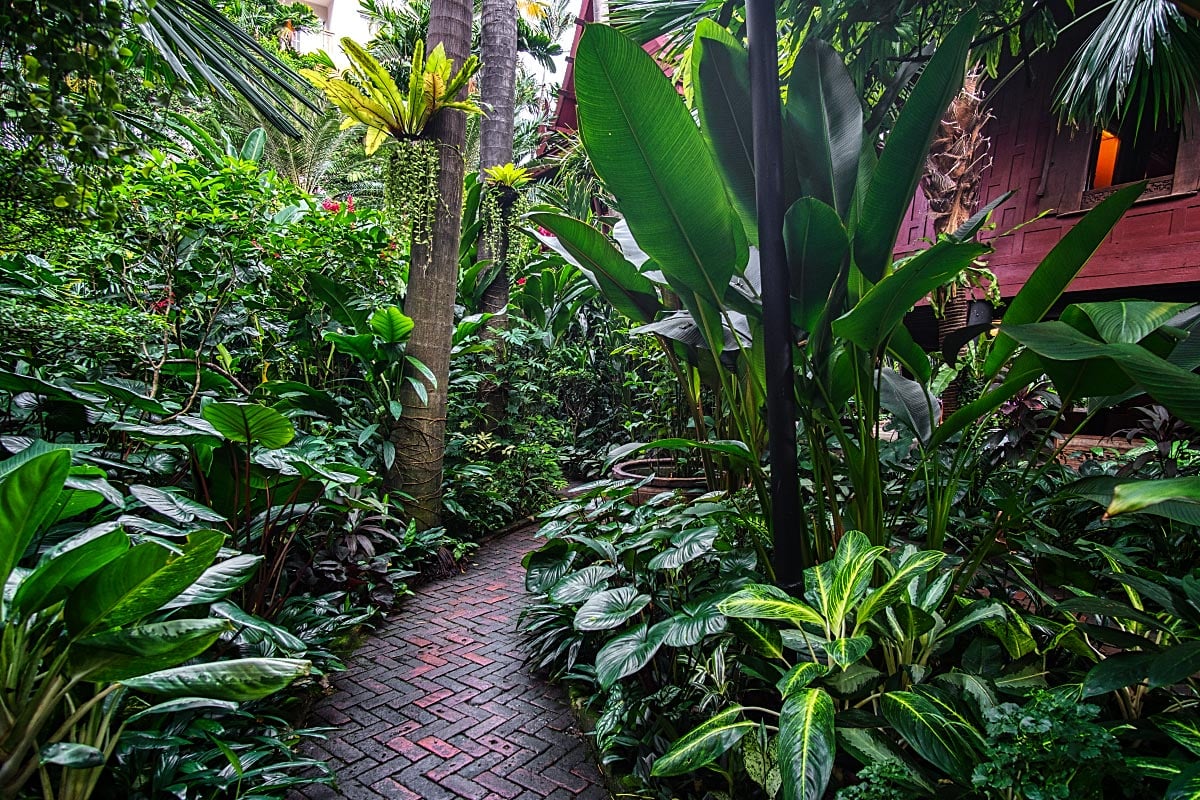
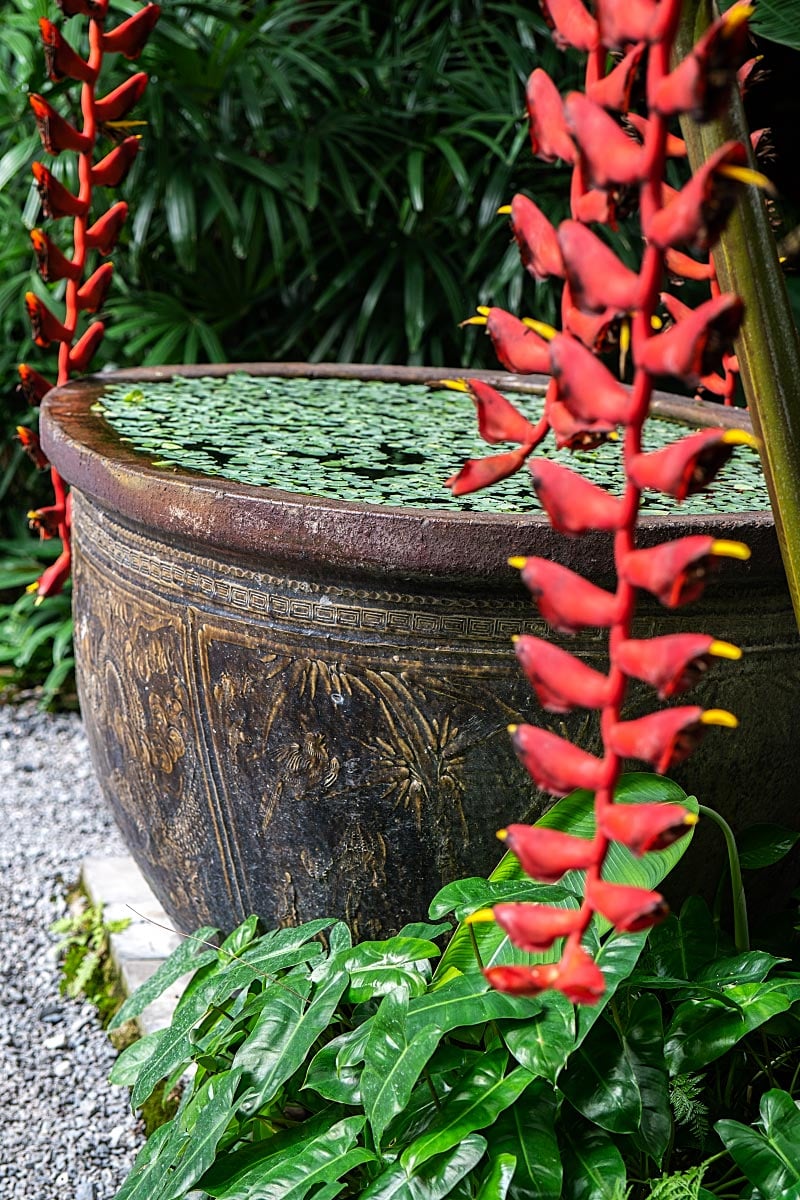
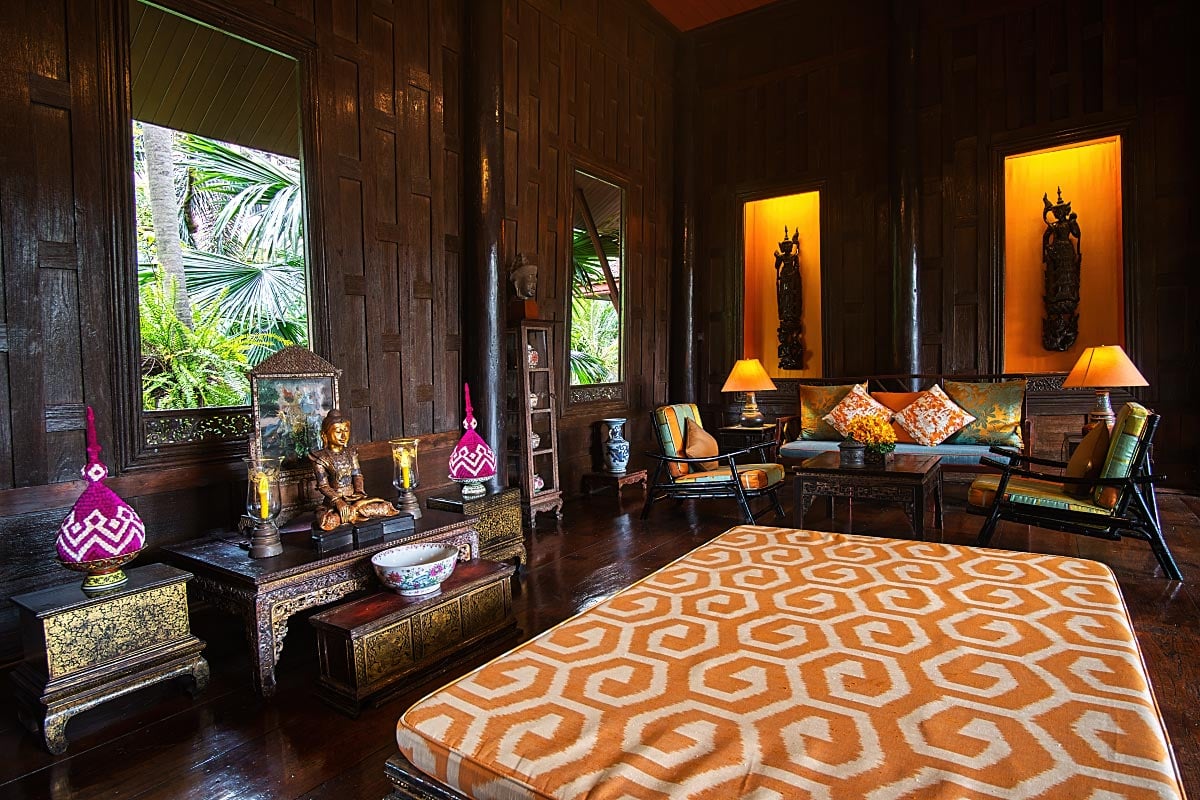
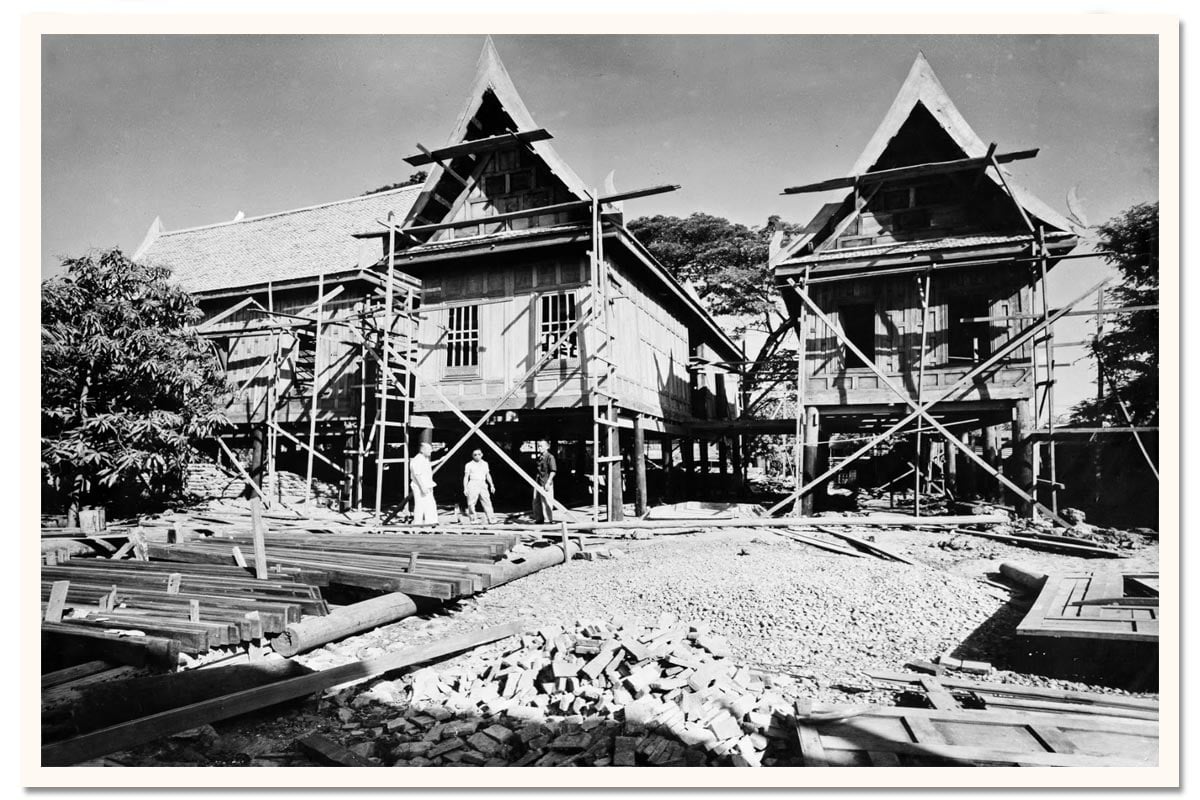
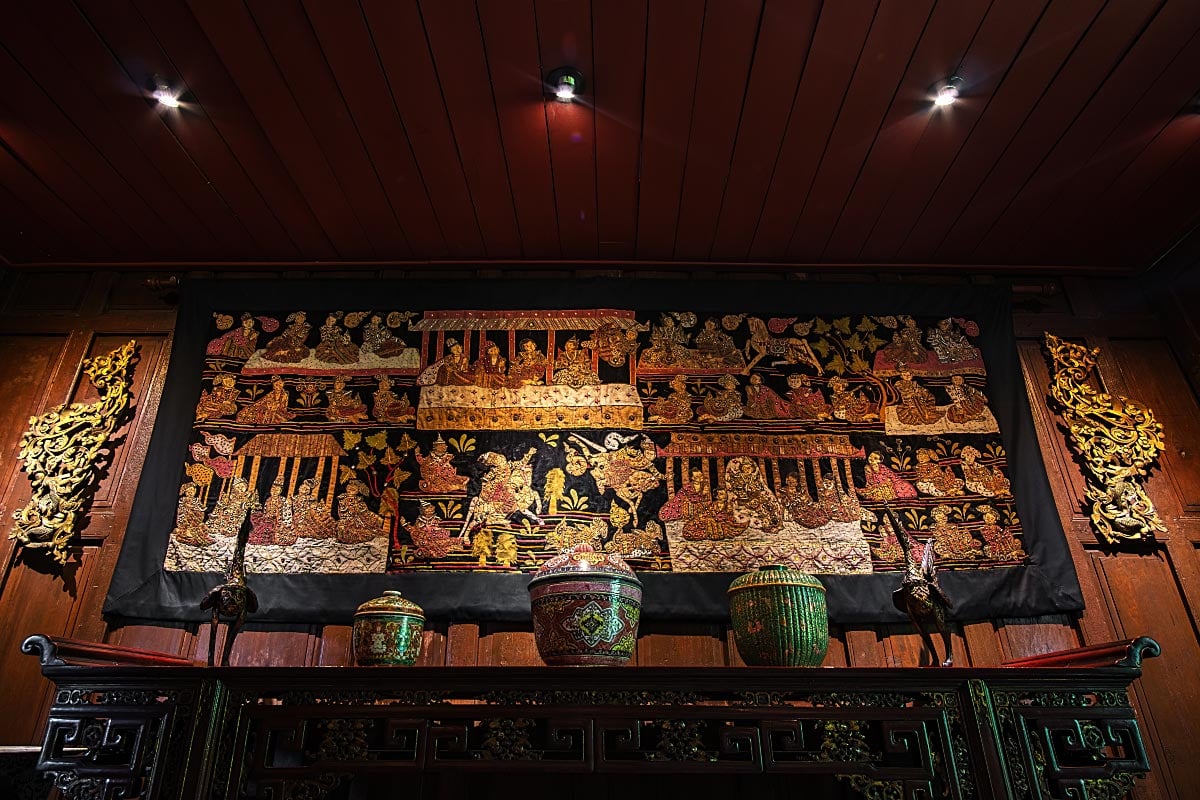
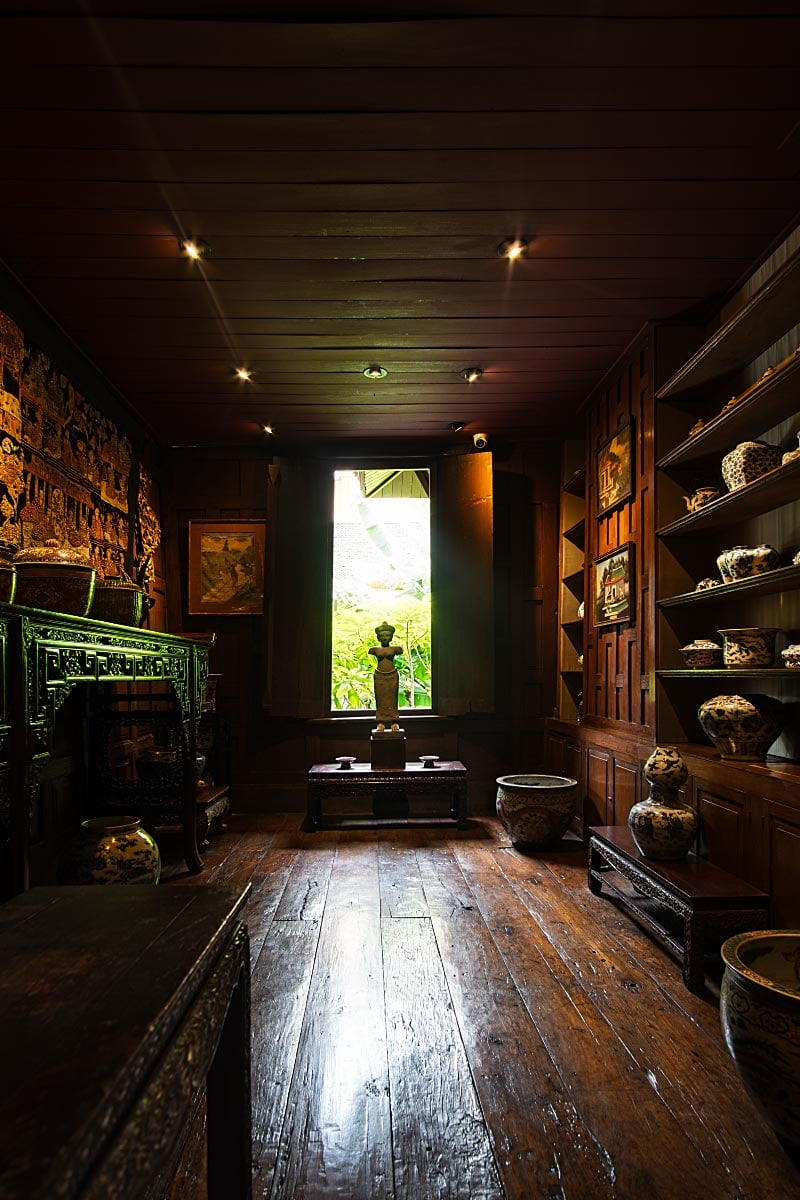
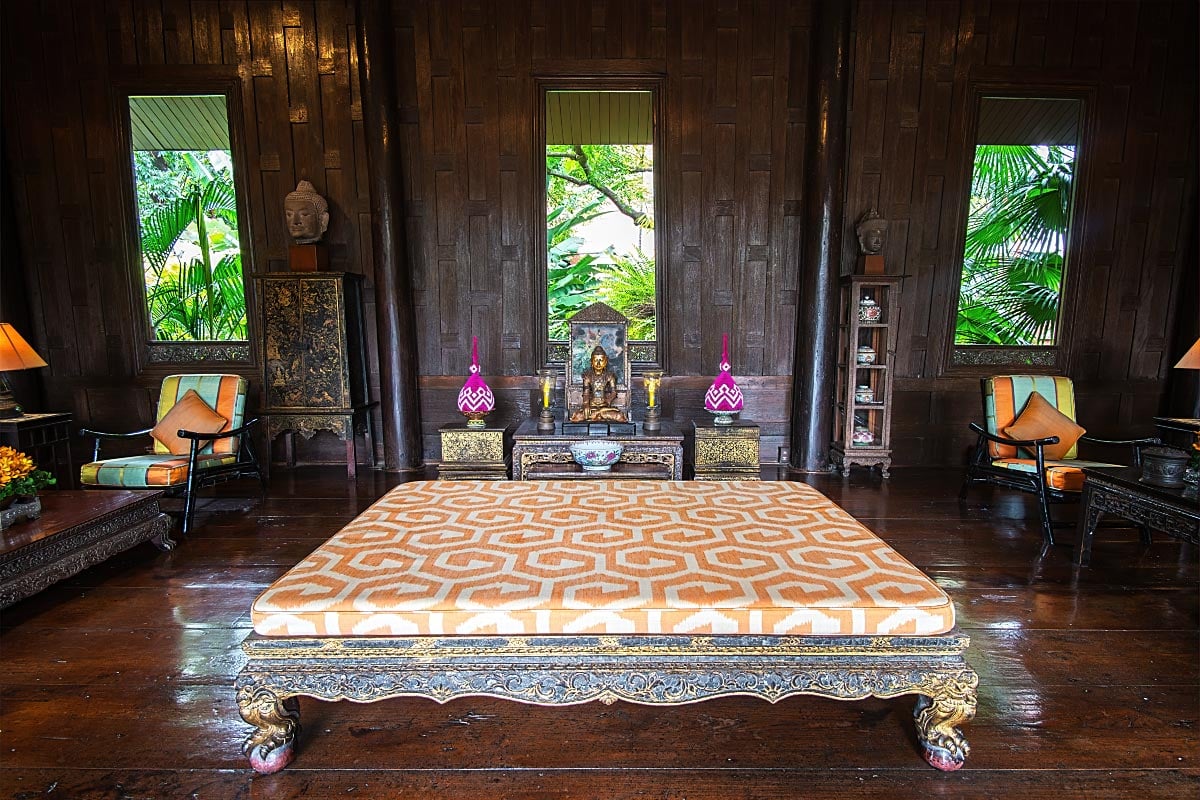
The Jim Thompson House Museum grew from six old Thai teak houses reassembled on this canal-side plot in 1958 and 1959. Their origins were mixed: some came from the Ayutthaya region, while others came from Bangkok. The oldest main section, a former weaver’s house from Ban Krua dating to around 1800, became the drawing room. This was a new home made with older buildings, and its arrangement reflected Thompson’s own ideas about how he wanted to live. The garden connects the different parts of the property and remains one of the reasons I would recommend a visit.

Source: the collection of The James H.W. Thompson Foundation

Source: the collection of The James H.W. Thompson Foundation

Source: the collection of The James H.W. Thompson Foundation
Jim Thompson’s Art Collection
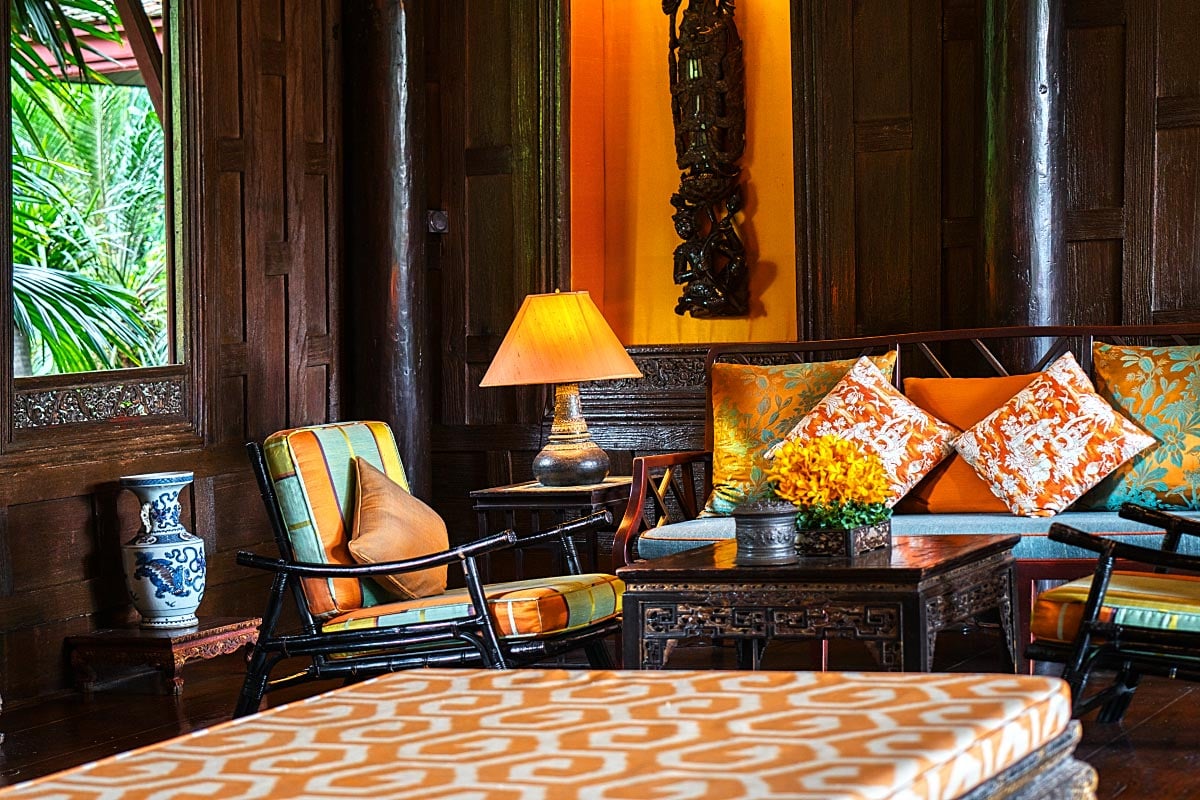
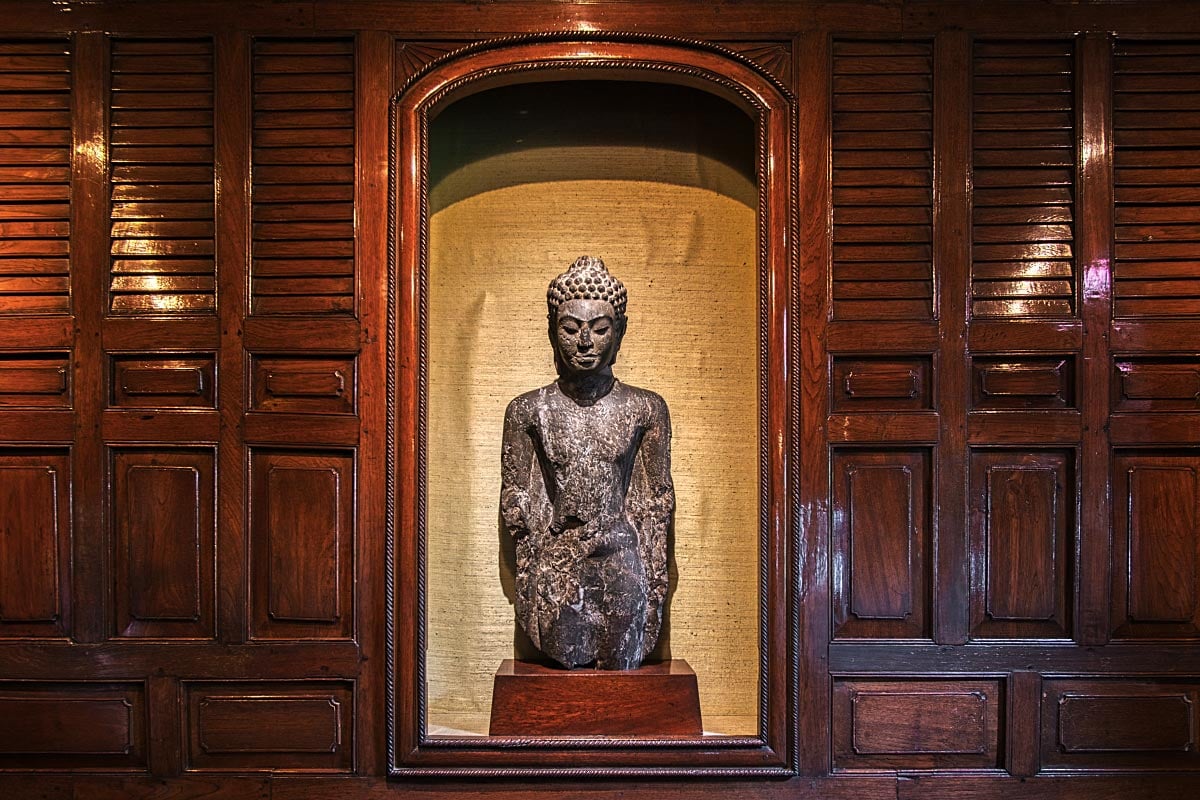
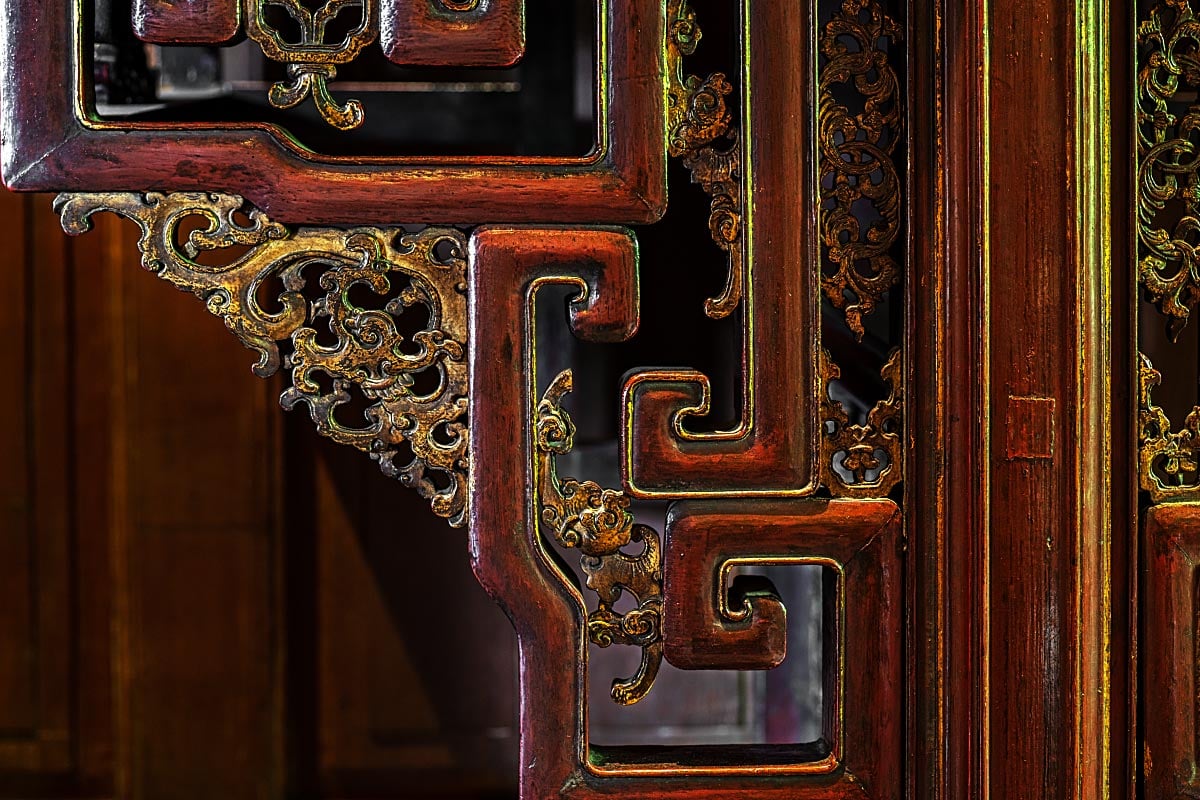
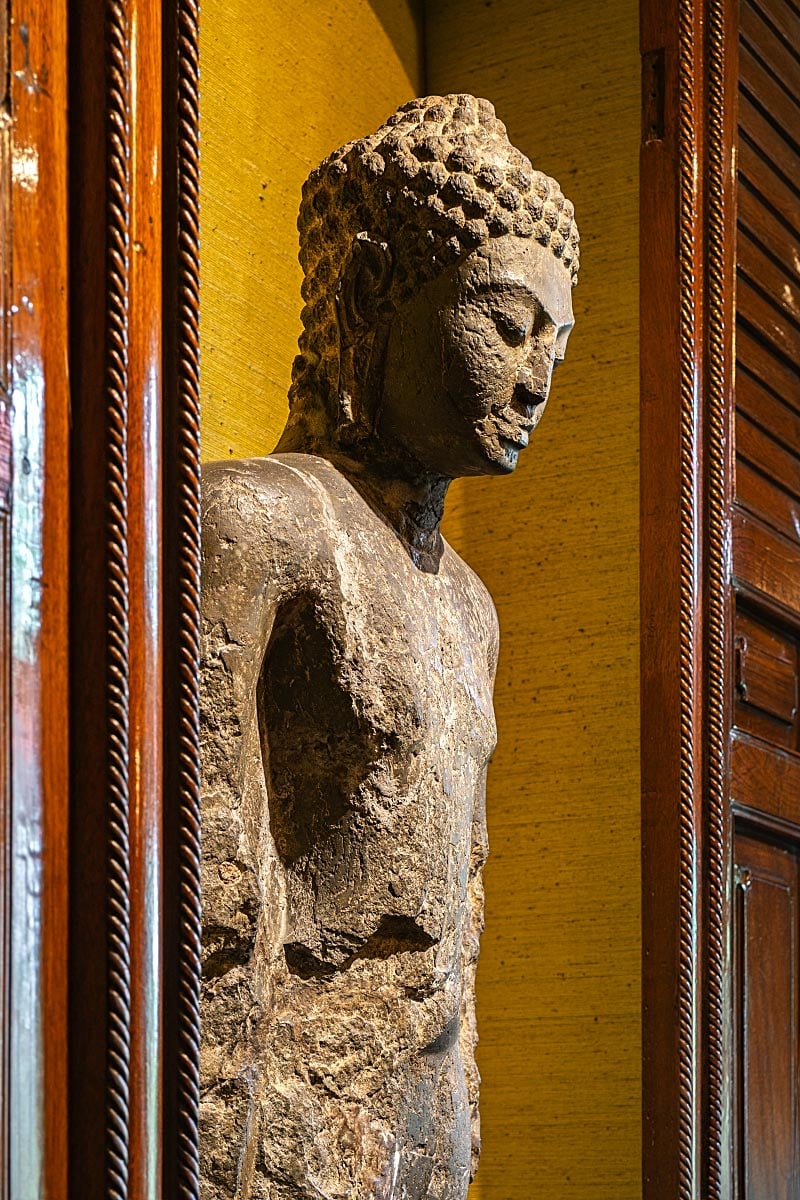
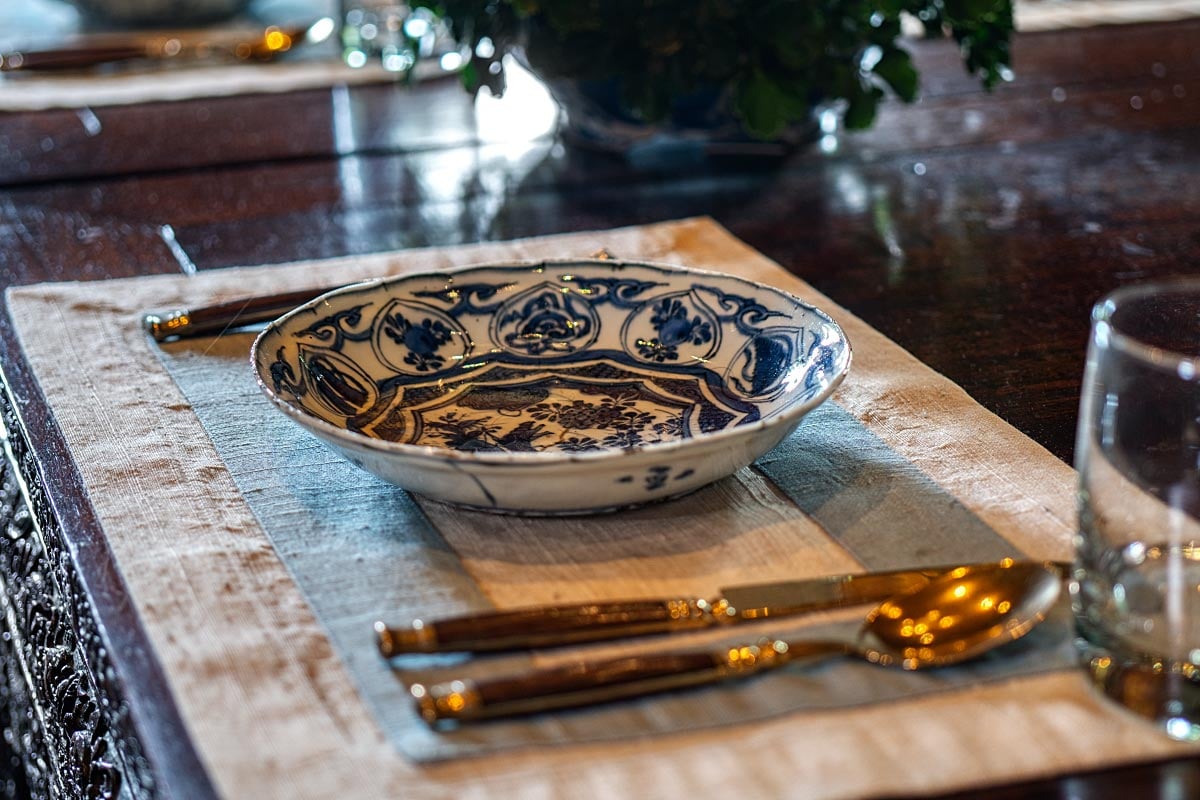
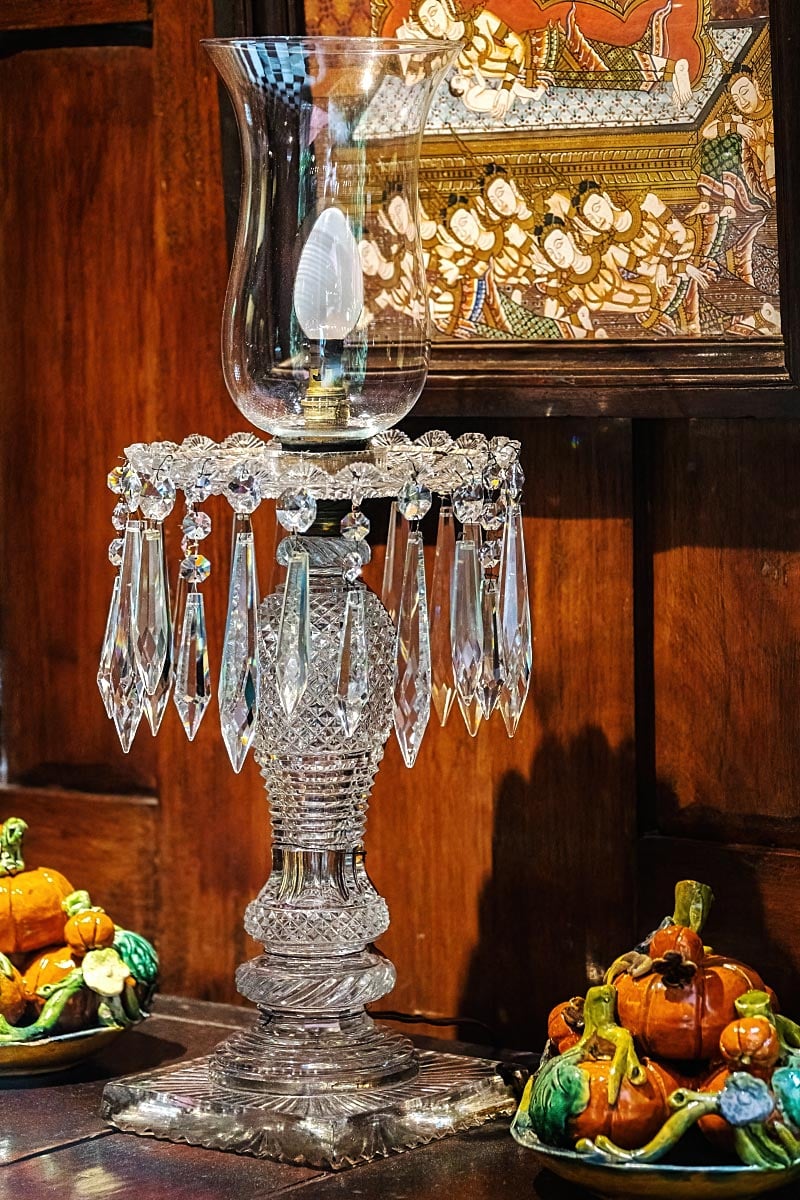
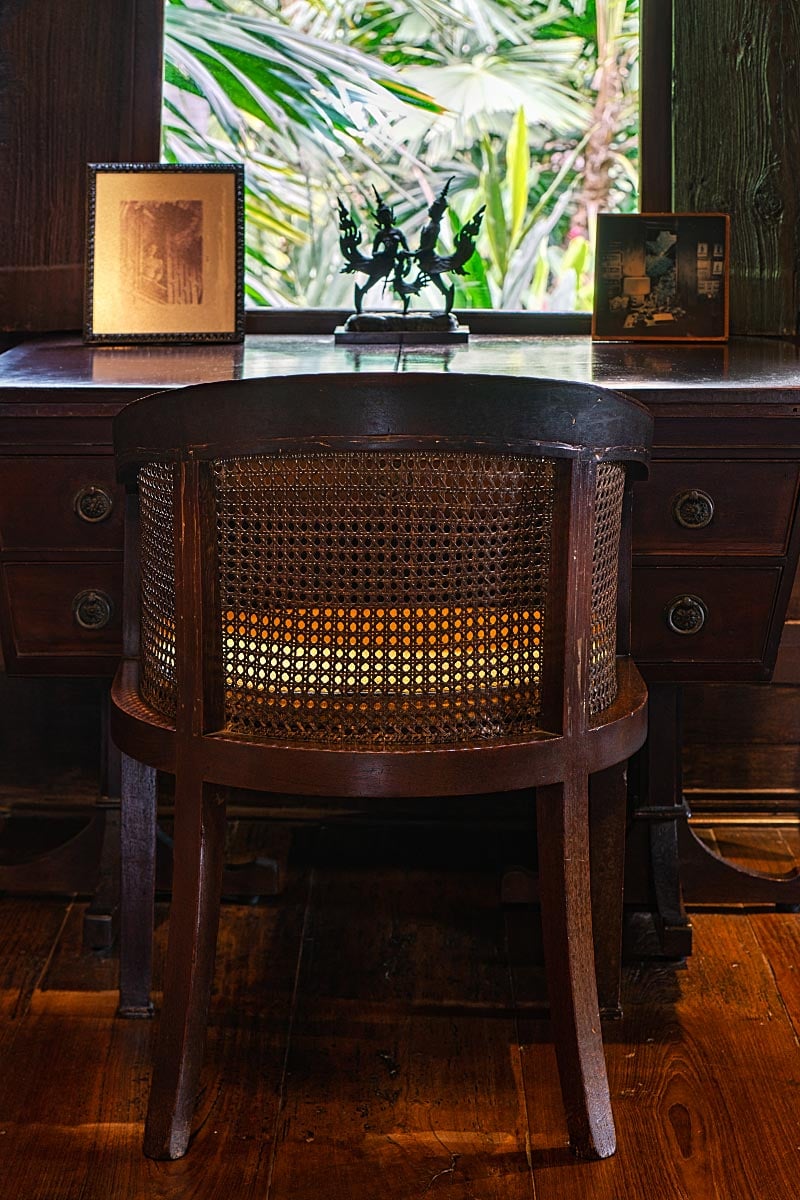
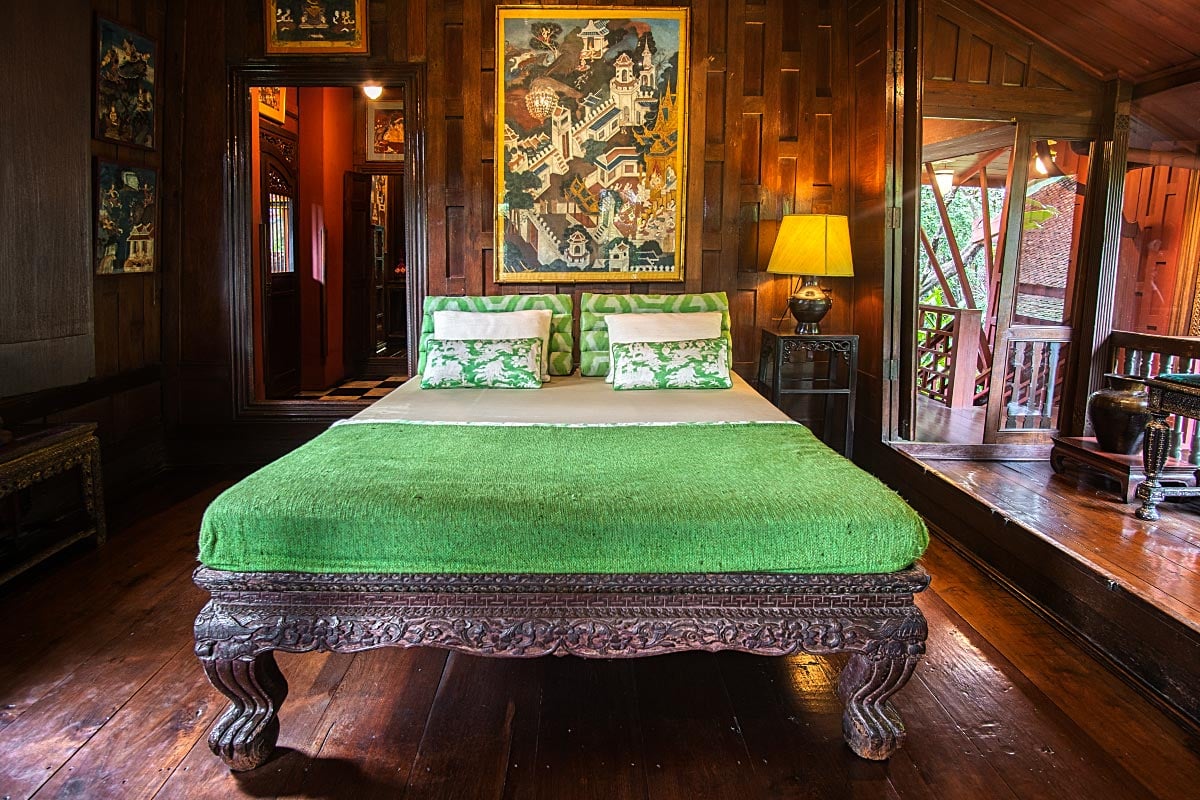
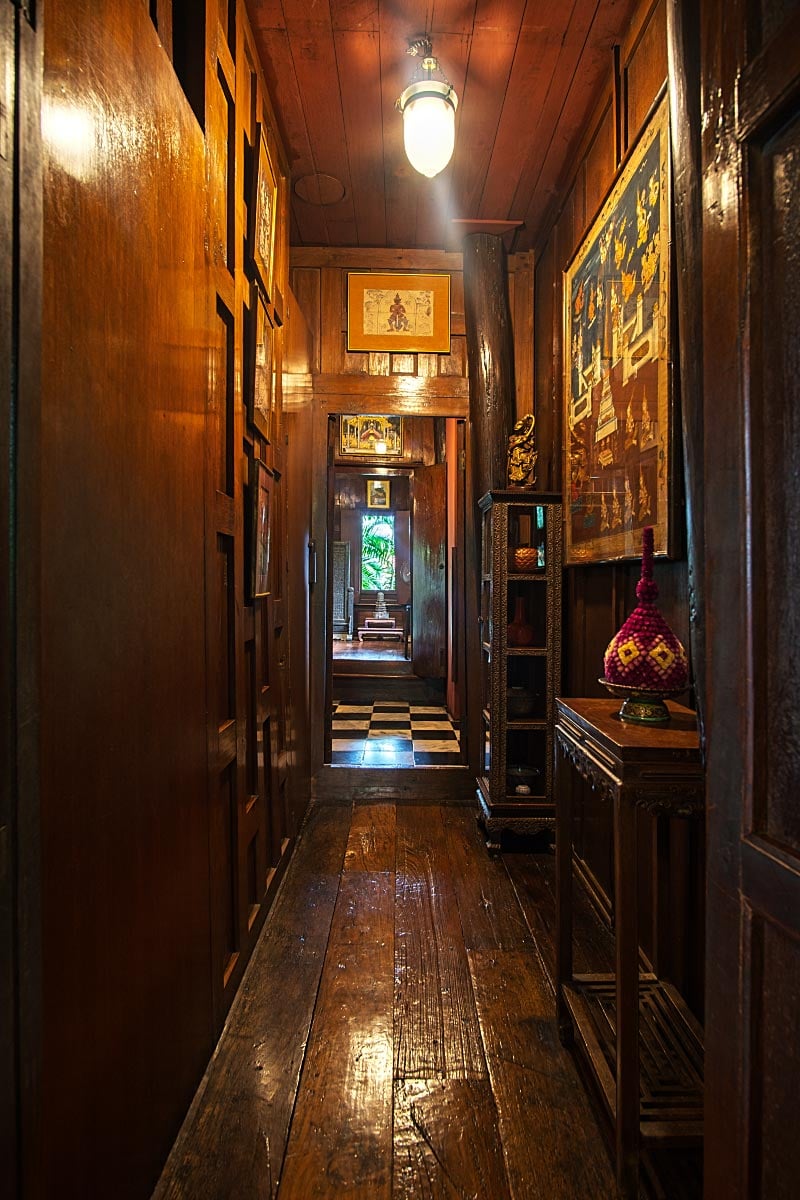
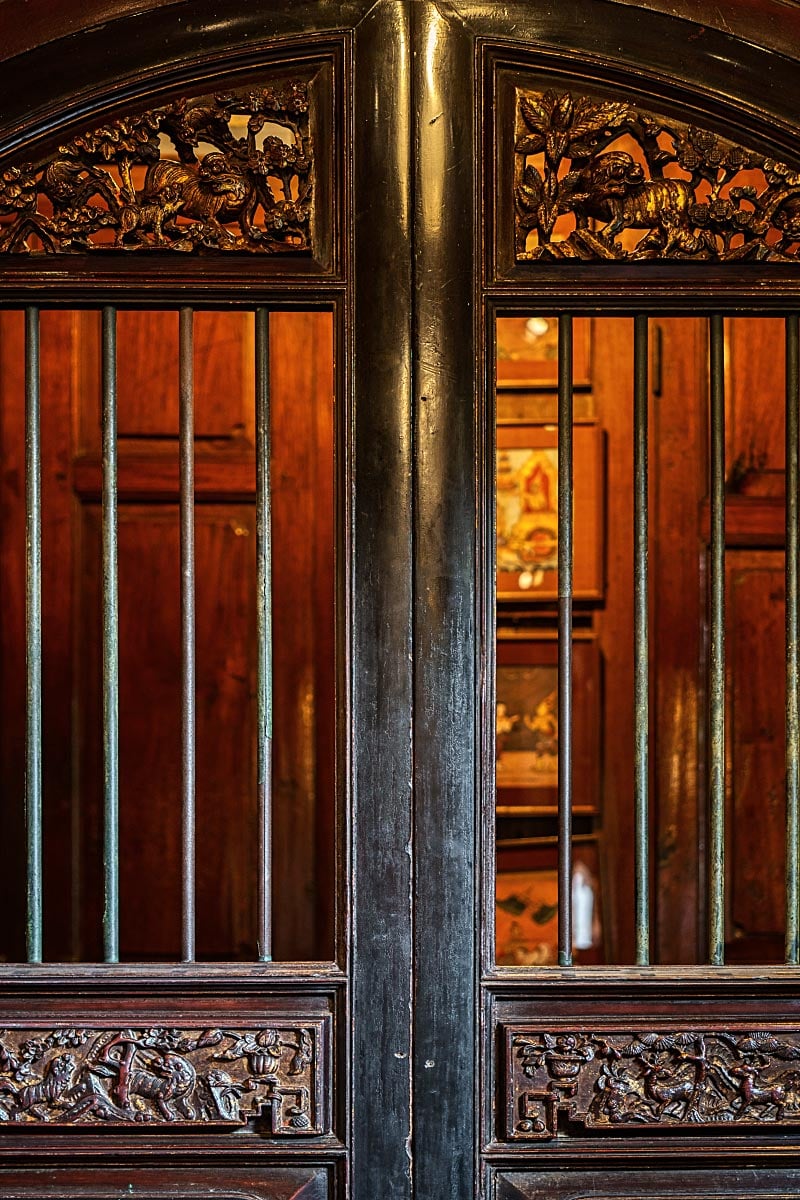
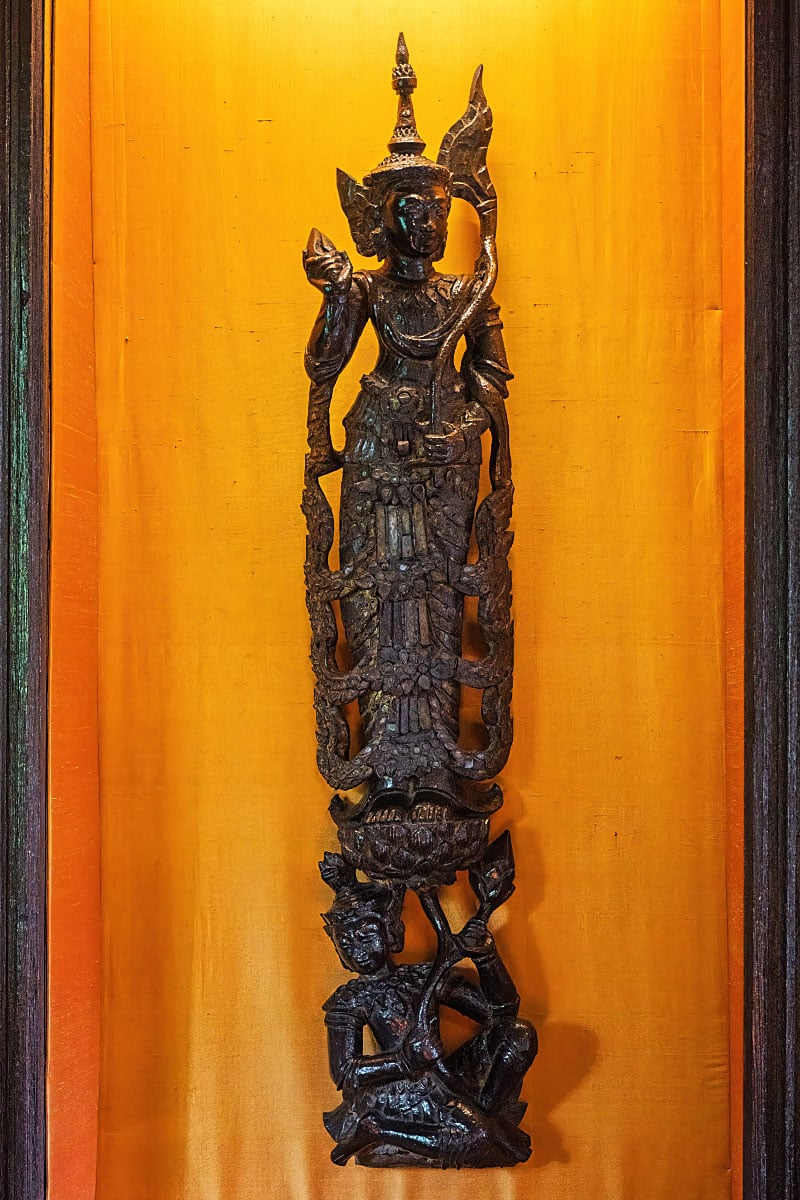
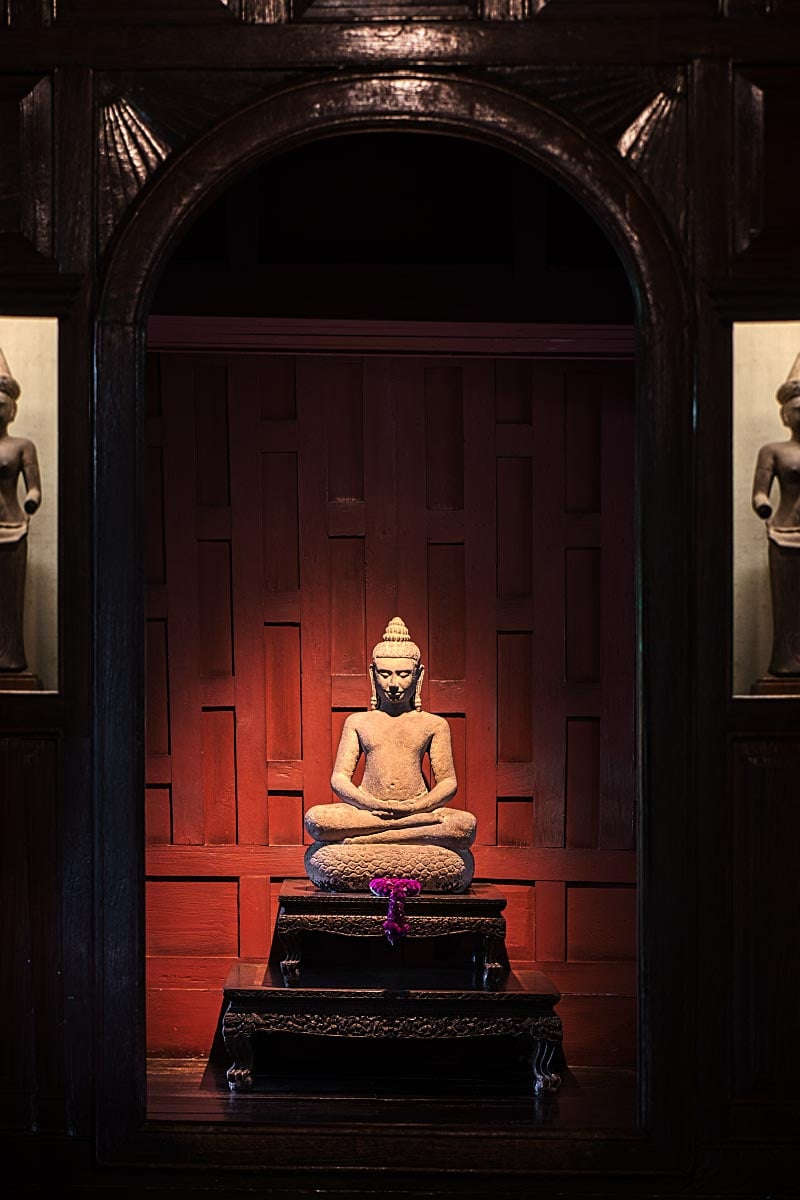
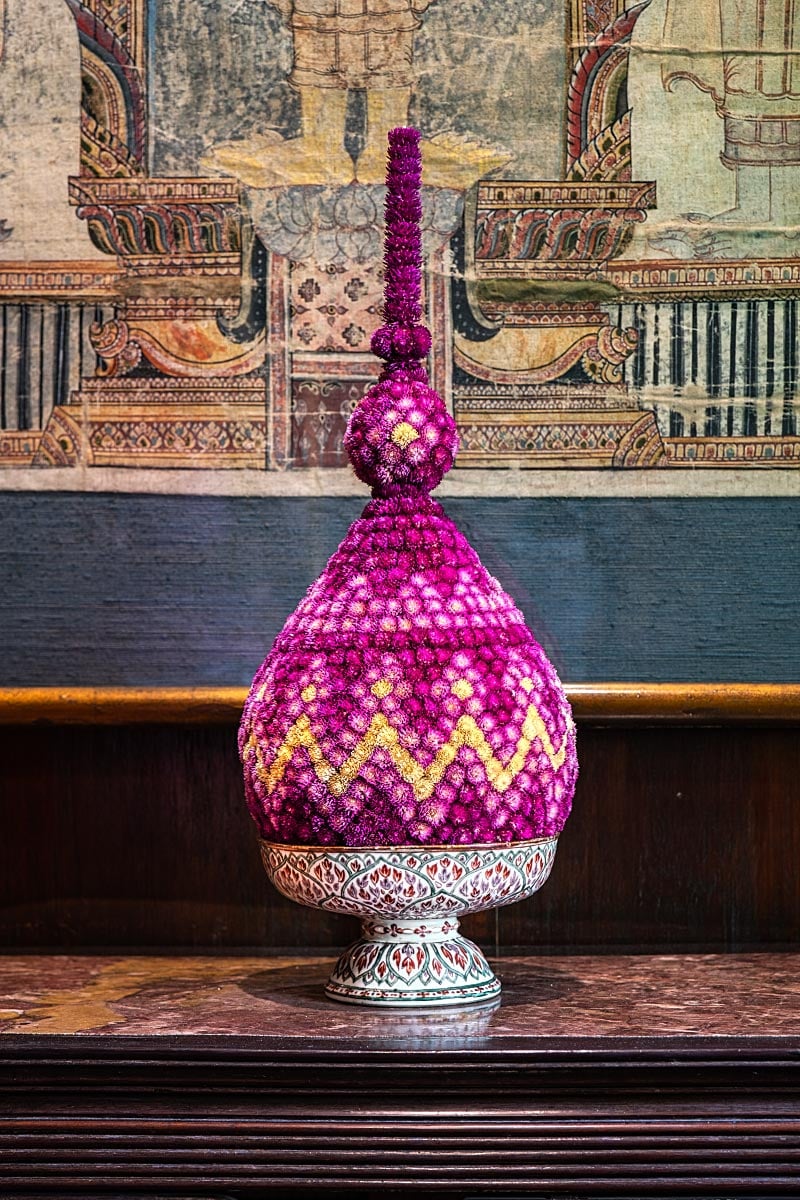
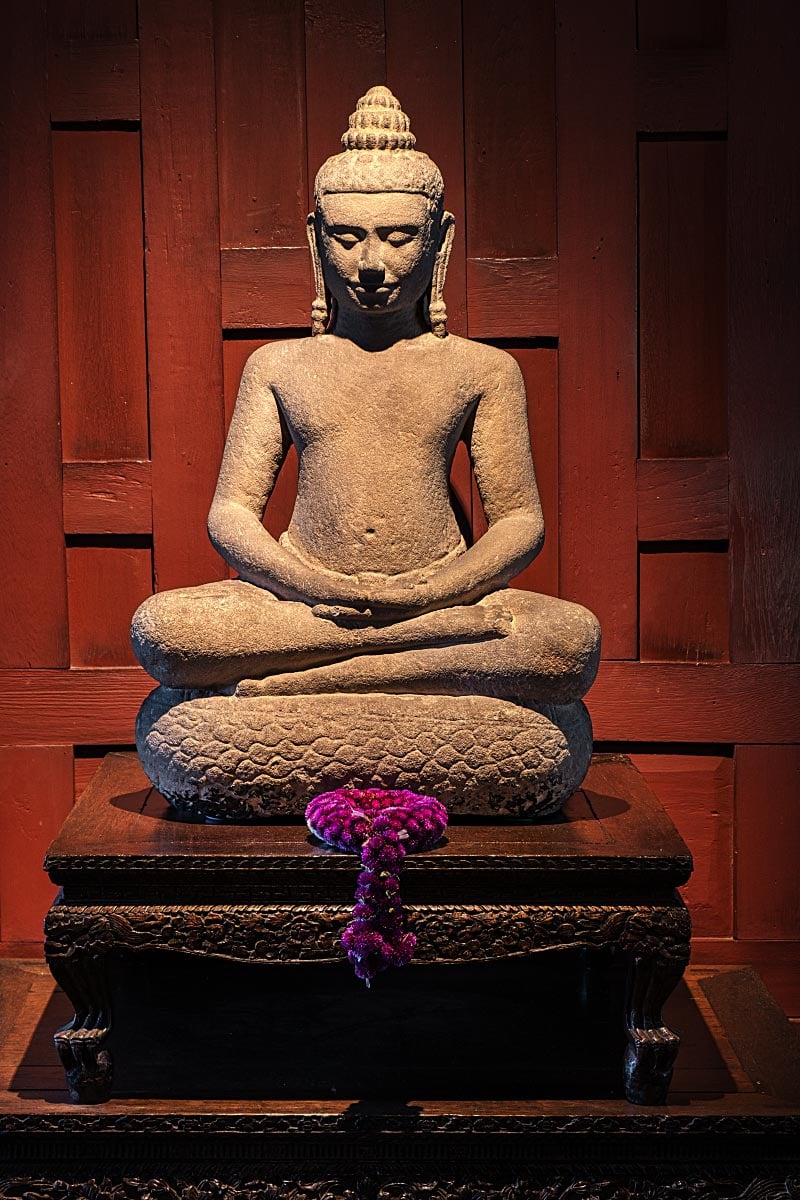
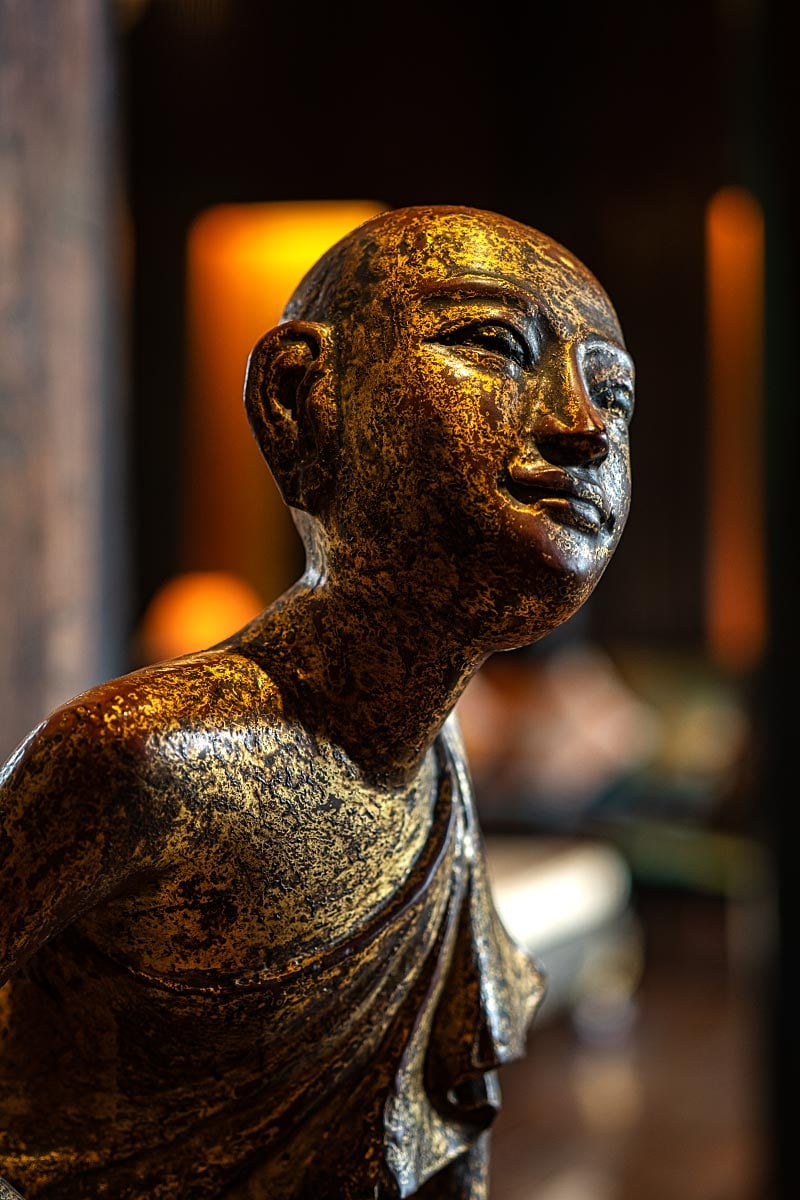
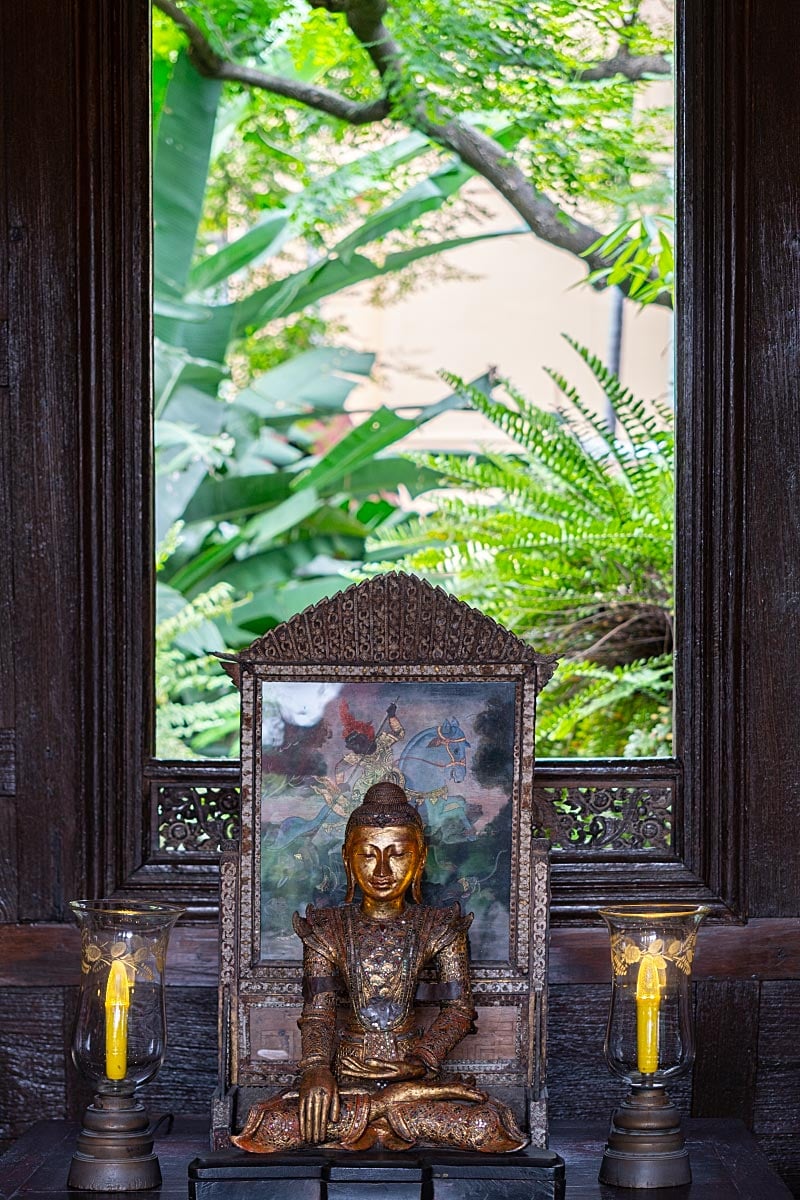
Thompson’s collection includes Buddhist sculpture, Thai paintings, Chinese porcelain, and other Asian works of art. Seeing them in a domestic setting was a large part of the appeal for me. The dining room, bedroom, and corridors keep the house itself in the picture, so the visit becomes about the relationship between the objects and their surroundings. The smaller details interested me too: carved doors, blue-and-white ceramics, the bed frame, and the contrast between teak and black-and-white floor tiles. The neighboring Art Center has a separate focus on exhibitions and contemporary culture; it should not be confused with the historic collection inside the house.


Jim Thompson’s Disappearance
Jim Thompson disappeared in Malaysia’s Cameron Highlands on March 26, 1967, after setting out for a walk. He was on vacation, staying with friends. The bungalow associated with that visit was not his own summer residence. Having visited the highlands ourselves, we already knew this chapter of his story before exploring his Bangkok home.


Despite an extensive search, Thompson was not found, and the circumstances of his disappearance remain unresolved. It is an extraordinary ending to a life that had already crossed architecture, wartime service, hospitality, textiles, and art.


Decades of speculation have added more stories than answers. His wartime intelligence work is a documented part of his biography; it does not establish what happened in Malaysia. I would keep the uncertainty intact and give the house, the collection, and the weavers their share of the attention.


Jim Thompson’s Legacy
Thompson received the Order of the White Elephant in 1962 for his contribution to the Thai silk industry. Today, The James H.W. Thompson Foundation operates the house museum and cares for its collection. That museum role should be distinguished from the commercial silk brand that also carries his name. Both continue the association with Thompson, through different kinds of work.


We love silk, and Jim Thompson remains one of the names we enjoy looking for. Visiting his home added context to that affection, particularly the connection between the fabric, the weavers, and his interest in design. The area around the museum has also developed since our original article. The wider Heritage Quarter now brings together shops, exhibitions, and places to eat, while the nearby Jim Thompson Art Center presents its own program. Check the current exhibition and admission details separately if you plan to combine the two.


Is Jim Thompson House Museum Worth Visiting?
For travelers who enjoy traditional architecture, decorative arts, or textiles, I think Jim Thompson House Museum earns a place in a Bangkok itinerary. The teak buildings and the collection give it substance beyond the mystery of its former owner. I would leave room to look closely at the doors, furniture, ceramics, and garden, since those were the details that held my attention. Vivi has also worn Jim Thompson silk for photographs at the Mandarin Oriental, so our interest in the fabric certainly extends beyond the museum.


Practical Details for Visiting
The main house is visited with a guide, so plan around the museum’s tour arrangements. I would allow around 90 minutes for the house and garden as a planning allowance, with extra time for any exhibitions or shopping. The table below records the current visitor information separately from our earlier experience.
| Detail | Information checked in October 2026 |
|---|---|
| Museum | Jim Thompson House Museum, Bangkok |
| Address | 6 Soi Kasemsan 2, Rama 1 Road, Bangkok 10330, Thailand |
| Opening hours | Daily, 10:00 AM–5:00 PM. The last guided tour starts at 5:00 PM. |
| Admission | Adults: 250 THB. Ages 10–21: 150 THB, with ID or passport. Children under 10: free with an adult. Visitors with disabilities: 150 THB. |
| House tours | A guide is required to enter the main house. Languages listed: Thai, English, French, Chinese, and Japanese. Walk-in visits and authorized online booking are available. |
| BTS station | National Stadium, Exit 1 |
| Photography | Interior photography is permitted. Flash, selfies, individual photos, and video recording are prohibited. |
| Shoes and bags | Remove shoes before entering the main house. Bags over 20 cm must be left in the locker area. |
| Accessibility | The house route involves stairways and has no elevators. Contact the museum about individual access requirements. |
| Website | Official visitor information and booking links |
Jim Thompson House Museum FAQ
How much are tickets for Jim Thompson House Museum?
Adult admission is 250 THB. Visitors aged 10–21 pay 150 THB with ID or a passport, and children under 10 enter free with an adult. These prices were checked in October 2026.
Can you visit the house without a guide?
No. Entry to the main house requires a museum guide. Walk-in visits are available, and the official website also links to authorized online booking partners.
Can you take photos inside Jim Thompson House?
Yes. The museum permits interior photography, with restrictions: no flash, selfies, individual photos, or video recording. Follow the staff’s instructions.
Is the historic house accessible without stairs?
The museum states that the main-house route includes several stairways and has no elevators. Ask the museum about access before visiting if stairs are a concern.
Is Jim Thompson Art Center the same as the house museum?
The house museum displays Thompson’s historic home and art collection. The neighboring Art Center presents exhibitions and cultural programs, including contemporary art. Check its program and admission arrangements separately.
Sources
Tickets, tours, and visitor rules
House and art collection
Biography and foundation
The surrounding Heritage Quarter and Art Center

You might also like


